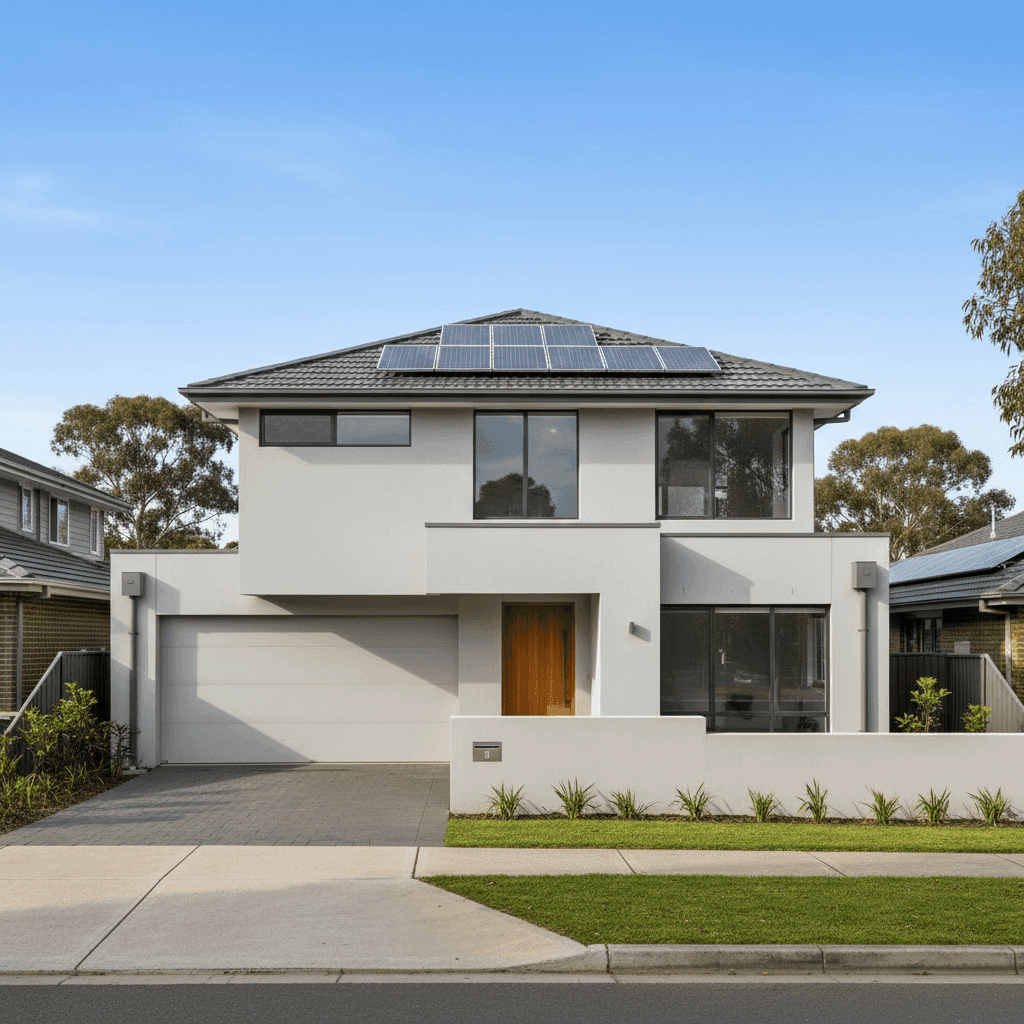
Wheelers Hill is one of Melbourne's more sought-after south-eastern suburbs — a well-established, leafy pocket of the City of Monash that consistently attracts families drawn to its schools, parks, and relative proximity to the CBD. It's also a suburb where newer townhouse developments have become increasingly common, making it a great case study for understanding what home and contents insurance actually costs in this part of Victoria.
This article breaks down a real insurance quote for a 3-bedroom, 3-bathroom townhouse in Wheelers Hill, compares it against local, state, and national benchmarks, and offers practical advice for homeowners looking to get the best value from their cover.
---
Is This Quote Fair?
The quote in question came in at $1,292 per year (or around $124 per month) for combined home and contents insurance, covering a building sum insured of $750,000 and contents valued at $30,000. Both the building and contents excess are set at $2,000.
Our price rating for this quote is CHEAP — meaning it sits well below the average for the area. To put that in perspective, the suburb average premium in Wheelers Hill is $2,349 per year, and the median sits slightly higher at $2,379. This quote lands below even the 25th percentile of $1,616, meaning it's cheaper than at least 75% of quotes we've seen for comparable properties in the postcode.
That's a genuinely strong result. For a recently built townhouse with a solid sum insured, coming in this far below the local average suggests the insurer has priced this risk favourably — likely reflecting the property's modern construction, low-risk profile, and location within a suburb that doesn't attract the kind of extreme weather penalties seen in other parts of Australia.
Of course, price alone doesn't tell the whole story. It's always worth scrutinising policy inclusions, exclusions, and claim limits to ensure the cover actually suits your needs — but from a pure cost standpoint, this is a very competitive result.
---
How Wheelers Hill Compares
To understand just how well-priced this quote is, it helps to zoom out and look at the broader picture. You can explore the full data on our Wheelers Hill insurance stats page, but here's a quick summary:
| Benchmark | Premium |
|---|---|
| This quote | $1,292/yr |
| Wheelers Hill 25th percentile | $1,616/yr |
| Wheelers Hill suburb average | $2,349/yr |
| Wheelers Hill suburb median | $2,379/yr |
| Wheelers Hill 75th percentile | $3,283/yr |
| LGA (Monash) average | $1,672/yr |
| VIC state average | $3,000/yr |
| VIC state median | $2,718/yr |
| National average | $5,347/yr |
| National median | $2,764/yr |
A few things stand out here. First, Wheelers Hill's average premium of $2,349 is actually below the Victorian state average of $3,000 — which reflects the suburb's relatively benign risk profile compared to bushfire-prone or flood-affected areas of the state. You can dig deeper into Victoria-wide insurance trends here.
Second, the national average of $5,347 is strikingly high compared to what Wheelers Hill homeowners are typically paying. Much of that national figure is driven by high-risk regions in Queensland, Western Australia, and parts of regional Victoria — areas exposed to cyclones, flooding, or severe bushfire risk. See how the national picture compares.
For Wheelers Hill residents, the takeaway is clear: you're in a relatively affordable insurance market, and a well-structured quote can push costs even lower.
---
Property Features That Affect Your Premium
Several characteristics of this particular property work in its favour from an insurance pricing perspective:
Modern construction (built 2022). Newer homes are generally cheaper to insure. Insurers view recently built properties as lower risk because they comply with current building codes, are less likely to have aging electrical or plumbing systems, and are constructed with materials that meet contemporary standards.
Hebel external walls. Hebel (autoclaved aerated concrete) panels are lightweight, durable, and — importantly — have excellent fire-resistance properties. For insurers assessing risk, this is a positive signal, particularly in Victoria where bushfire proximity can influence pricing.
Tiled roof. Terracotta or concrete tiles are considered a resilient roofing material. They're less susceptible to storm damage than some alternatives and tend to attract more favourable premiums compared to, say, older iron or asbestos roofing.
Slab foundation. Concrete slab foundations are structurally sound and don't carry the subsidence or pest-damage risks associated with older raised timber sub-floors.
Solar panels. This property has rooftop solar, which is worth noting. Solar panels themselves may need to be specified as part of your building cover — it's worth confirming with your insurer that they're included in the sum insured and not treated as an optional extra.
Ducted climate control. Ducted air conditioning systems are a fixed building feature and should be captured within your building sum insured. If underinsured, replacing this system after a claim could leave you out of pocket.
No pool, no cyclone risk zone. The absence of a pool removes a common liability risk factor, and being outside a cyclone risk area keeps premiums well away from the elevated rates seen in northern Australia.
---
Tips for Homeowners in Wheelers Hill
1. Review your sum insured regularly. Construction costs have risen sharply across Victoria in recent years. A building sum insured of $750,000 may be appropriate today, but it's worth reassessing annually to ensure it reflects current rebuild costs — not just the market value of your property. Underinsurance is one of the most common and costly mistakes homeowners make.
2. Confirm solar panels are covered. Rooftop solar systems are a significant asset. Check your policy wording to confirm whether panels are automatically included under building cover or whether you need to declare them separately. Some insurers treat them as standard; others require specific endorsement.
3. Consider whether your contents value is adequate. At $30,000, the contents sum insured on this quote is relatively modest for a 3-bedroom, 3-bathroom townhouse with timber and laminate flooring and standard fittings. Take time to do a proper home inventory — furniture, appliances, clothing, electronics, and personal items can add up quickly.
4. Compare quotes before your renewal date. Even if your current premium is competitive, the insurance market shifts constantly. Insurers reprice risk regularly, and loyalty doesn't always pay. Shopping around at renewal — ideally 3–4 weeks before your policy expires — gives you time to compare properly without pressure.
---
Ready to See What You Could Pay?
Whether you're a new homeowner in Wheelers Hill or coming up to renewal, comparing quotes is the single most effective way to make sure you're not overpaying. CoverClub makes it easy to see real premium data for your suburb and get quotes tailored to your property.
Get a home insurance quote today and find out if your current cover stacks up.