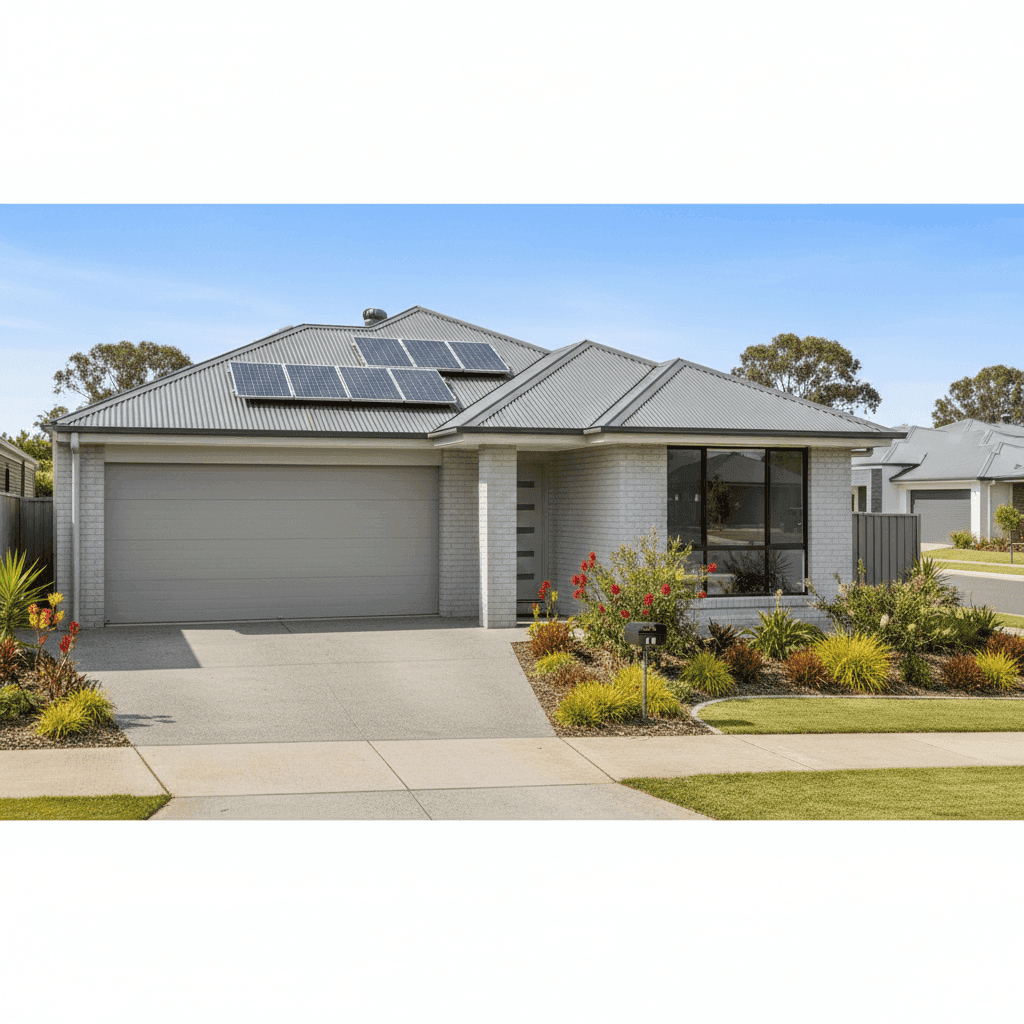
If you own a free standing home in Whiteside, QLD 4503, you've probably wondered whether you're paying a fair price for home and contents insurance — or whether you're leaving money on the table. This article breaks down a real insurance quote for a four-bedroom, two-bathroom brick veneer home in Whiteside, compares it against local, state, and national benchmarks, and offers practical tips to help you get better value on your cover.
---
Is This Quote Fair?
The quote in question comes in at $4,853 per year (or $472 per month) for combined home and contents insurance, covering a building sum insured of $1,000,000 and $150,000 worth of contents. The building excess is $5,000, and the contents excess is $1,000.
Our pricing engine rates this quote as FAIR — around average for the area.
That "fair" rating is meaningful context. It doesn't mean you can't do better, but it does suggest the quote isn't wildly out of step with what other Whiteside homeowners are paying. Given that the suburb's average premium sits at $6,302 per year and the median is $5,647 per year, this quote lands noticeably below both — which is a positive sign for the policyholder.
The building sum insured of $1,000,000 is on the higher end and will naturally push premiums up compared to properties insured for less. If you're comparing quotes, always make sure you're comparing like-for-like coverage amounts, not just headline prices.
---
How Whiteside Compares
To understand whether this quote represents good value, it helps to zoom out and look at the broader pricing landscape.
| Benchmark | Premium |
|---|---|
| This quote | $4,853/yr |
| Whiteside suburb average | $6,302/yr |
| Whiteside suburb median | $5,647/yr |
| Whiteside 25th percentile | $3,673/yr |
| Whiteside 75th percentile | $7,708/yr |
| QLD state average | $9,129/yr |
| QLD state median | $3,903/yr |
| National average | $5,347/yr |
| National median | $2,764/yr |
| Moreton Bay LGA average | $3,435/yr |
A few things stand out here. First, this quote sits below the Whiteside suburb average and median, which is encouraging. At $4,853, it falls in the middle of the suburb's pricing range — above the 25th percentile ($3,673) but well below the 75th percentile ($7,708).
Second, Queensland's insurance market tells an interesting story. The QLD state average of $9,129 is dramatically higher than the state median of $3,903 — a gap that reflects the outsized influence of high-risk coastal and cyclone-prone areas dragging the average upward. Whiteside, located in the Moreton Bay region, is not classified as a cyclone risk area, which is a significant factor in keeping premiums more manageable here.
Third, the Moreton Bay LGA average of $3,435 is notably lower than this quote, though that figure likely reflects a broader mix of property types, coverage levels, and sum insured amounts across the region.
For a deeper look at pricing trends in your postcode, visit the Whiteside suburb insurance stats page. You can also explore Queensland-wide insurance data or the national insurance statistics for broader context.
---
Property Features That Affect Your Premium
Every property is different, and insurers weigh up a range of characteristics when calculating your premium. Here's how the features of this particular home come into play:
Brick Veneer Walls Brick veneer is generally viewed favourably by insurers. It offers solid fire resistance and durability, and is one of the more common construction types in South East Queensland. This typically contributes to more competitive premiums compared to timber-framed or clad homes.
Steel / Colorbond Roof A Colorbond steel roof is another tick in the right column. It's lightweight, highly resistant to fire, and performs well in storms — all of which reduce the risk profile of the property in the eyes of an insurer.
Concrete Slab Foundation Slab foundations are standard for homes of this era and are generally considered low-risk from an insurance perspective. They're less susceptible to subsidence issues compared to older pier-and-beam styles.
Built in 2003 At around 22 years old, this home sits in a comfortable middle ground — modern enough to meet contemporary building standards, but established enough that any early construction issues would have surfaced by now. Newer homes often attract lower premiums than older properties with ageing electrical or plumbing systems.
Solar Panels This property has solar panels installed, which can add modest complexity to an insurance claim (particularly in storm or hail events). It's worth confirming with your insurer that your solar system is explicitly covered under your building policy, including the panels, inverter, and mounting hardware.
Ducted Climate Control Ducted air conditioning systems are a significant fixed asset. They should be included in your building sum insured calculation, as replacement costs can run into the tens of thousands of dollars.
Vinyl Flooring Vinyl is a practical, cost-effective flooring choice that's relatively straightforward to replace after a water or storm event. It's unlikely to significantly inflate your premium compared to hardwood or engineered timber floors.
No Pool The absence of a swimming pool removes one common source of liability and maintenance-related claims, which can subtly influence pricing.
---
Tips for Homeowners in Whiteside
1. Review your building sum insured regularly Construction costs have risen significantly in recent years. A $1,000,000 sum insured may seem like plenty, but it's worth getting an independent building replacement estimate to make sure you're not underinsured. Underinsurance can leave you significantly out of pocket after a major claim.
2. Confirm your solar panels are covered Solar panel coverage isn't always automatic. Ask your insurer specifically whether your panels are included under the building policy, what events are covered (e.g. storm, hail, fire), and whether there's a separate limit or sub-limit that applies.
3. Shop around at renewal time Even with a "fair" rating, there's always value in comparing quotes. Insurers reprice their books regularly, and the market can shift meaningfully from one year to the next. Use a comparison tool like CoverClub to see what multiple insurers would charge for the same level of cover.
4. Consider your excess settings carefully This quote carries a $5,000 building excess, which is on the higher side. A higher excess typically reduces your premium, but it also means more out-of-pocket costs if you need to make a claim. Think about whether you'd comfortably cover that amount in the event of a storm or fire, and adjust accordingly.
---
Compare Your Own Quote
Whether you're renewing your existing policy or shopping for the first time, it pays to see what's available in the market. CoverClub makes it easy to compare home and contents insurance quotes for properties across Queensland and Australia. Enter your address to get started and find out how your current premium stacks up.