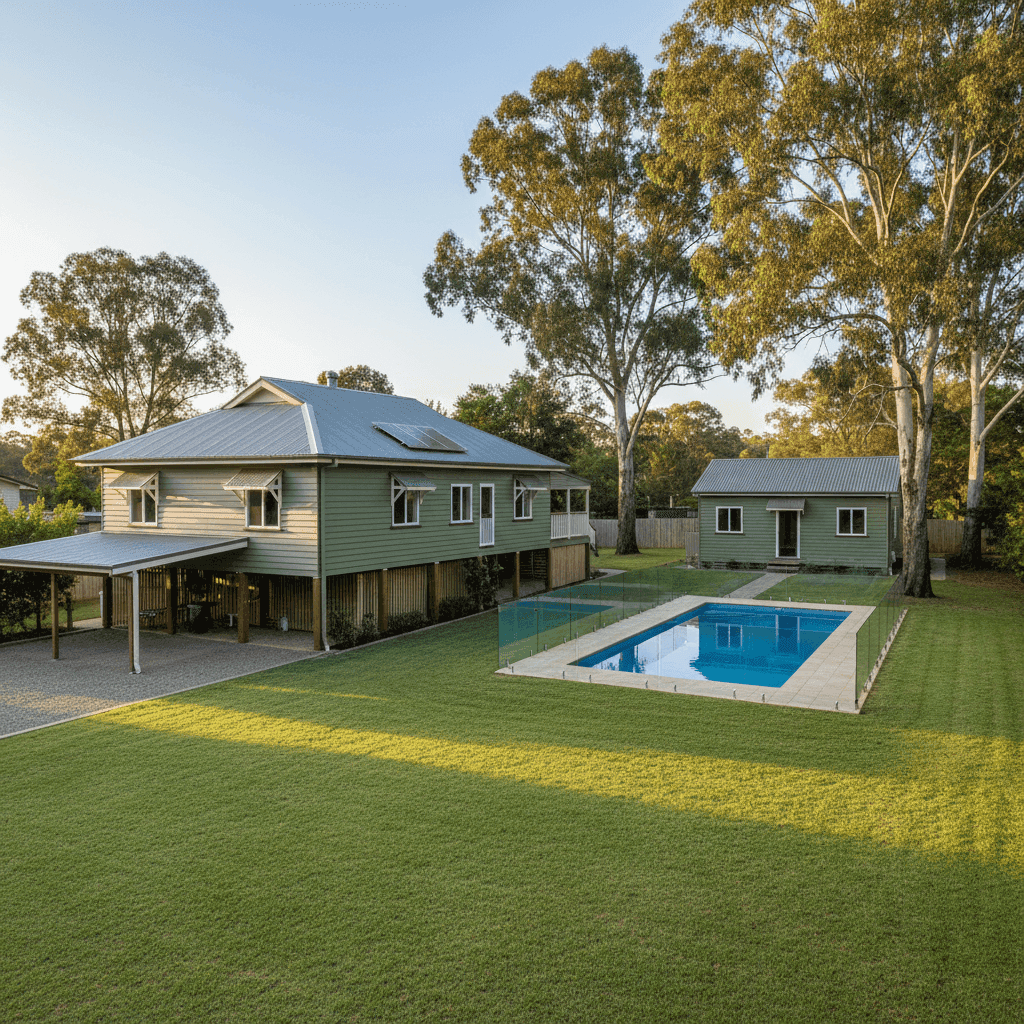
Wilberforce is one of the Hawkesbury region's most characterful suburbs — a semi-rural pocket of New South Wales with a strong sense of history and a landscape that's as beautiful as it is occasionally unpredictable. For homeowners here, finding the right home and contents insurance at a fair price is an important part of protecting what's often a significant investment. This article breaks down a real insurance quote for a four-bedroom free standing home in Wilberforce (postcode 2756) and puts the numbers in context so you can make a more informed decision.
---
Is This Quote Fair?
The quote in question comes in at $2,772 per year (or $266 per month) for combined home and contents cover, with a building sum insured of $891,000 and contents valued at $171,000. Both the building and contents excess are set at $5,000.
Our price rating for this quote is Fair — Around Average, which is actually a solid result for a property of this size and age in the Hawkesbury area. Here's why that matters:
- The suburb average for Wilberforce is $4,200/yr, meaning this quote sits well below the local average — roughly 34% cheaper.
- Compared to the suburb median of $3,249/yr, the quote is still about $477 less per year.
- It sits just above the 25th percentile for the suburb ($2,691/yr), meaning roughly three-quarters of comparable quotes in the area cost more.
In other words, while this isn't the absolute cheapest quote available in Wilberforce, it's comfortably in the lower half of the market — a genuinely competitive result for a property of this character.
---
How Wilberforce Compares
Zooming out to a broader view helps put this quote in even sharper perspective. Check out the Wilberforce suburb insurance stats for the full picture.
| Benchmark | Annual Premium |
|---|---|
| This Quote | $2,772 |
| Wilberforce Suburb Average | $4,200 |
| Wilberforce Suburb Median | $3,249 |
| NSW State Average | $9,528 |
| NSW State Median | $3,770 |
| National Average | $5,347 |
| National Median | $2,764 |
| LGA (Hawkesbury) Average | $11,842 |
The NSW state average of $9,528/yr looks alarming at first glance, but it's heavily skewed by high-risk and high-value properties across the state — the median of $3,770 is a more meaningful yardstick, and this quote comes in below that too. Similarly, the national average of $5,347 is pulled upward by cyclone-prone regions in Queensland and WA, so the national median of $2,764 is a closer comparison — and this quote is almost exactly in line with that figure.
The LGA average of $11,842 is particularly striking. This figure covers the broader Hawkesbury LGA and reflects the flood and bushfire exposure that affects many properties across the region. The fact that this quote is so far below the LGA average suggests the specific property profile — including its elevation, construction type, and location within Wilberforce — is being assessed relatively favourably by insurers.
(Based on a sample of 28 quotes in the Wilberforce suburb.)
---
Property Features That Affect Your Premium
Several characteristics of this property directly influence how insurers calculate the premium. Understanding these can help you have a more informed conversation with your insurer.
Age and Construction (Built 1930)
A home built in 1930 carries inherent complexity for insurers. Older homes may have heritage-style joinery, non-standard materials, or original plumbing and wiring that can be costly to repair or replace. The weatherboard timber exterior is a common construction type in regional NSW but is considered higher risk than brick veneer due to its susceptibility to fire, moisture, and pest damage. That said, weatherboard homes also tend to perform well in certain natural events, and many insurers price them competitively.
Roof and Foundation
The steel/Colorbond roof is generally viewed positively by insurers — it's durable, fire-resistant, and low-maintenance compared to terracotta or concrete tiles. The stump foundation (elevated less than 1m) is typical for homes of this era and can offer some protection against minor flooding, though insurers will still factor in the Hawkesbury region's broader flood history.
Flooring
Timber and laminate flooring throughout a home of this age adds to the replacement cost calculation, which is reflected in the $891,000 building sum insured. Timber floors in older homes can be expensive to source and match if damaged.
Additional Features
Three features meaningfully affect this premium:
- Swimming pool — Pools add liability exposure and increase the overall replacement cost of the property.
- Solar panels — Panels on the roof are typically included in the building sum insured and can increase the cost to rebuild. They may also affect roof repair complexity.
- Granny flat — An additional dwelling on the property increases both the insurable value and the risk profile. It's important to confirm with your insurer that the granny flat is explicitly covered under your policy.
- Ducted climate control — A ducted system is a significant fixed asset that contributes to the building replacement cost.
---
Tips for Homeowners in Wilberforce
1. Review Your Building Sum Insured Carefully
At $891,000, the building sum insured needs to cover the cost of a complete rebuild — including demolition, removal of debris, council fees, and the granny flat. For a 244 sqm weatherboard home with period features, this figure should be reviewed regularly, especially as construction costs continue to rise across NSW.
2. Confirm Granny Flat Coverage Explicitly
Not all policies automatically extend full cover to secondary dwellings. Ask your insurer directly whether the granny flat is included in the building sum insured or whether it requires separate endorsement. Getting this wrong could leave you significantly underinsured.
3. Consider Your Excess Strategy
Both the building and contents excess are set at $5,000 — a relatively high figure. Higher excesses generally reduce your annual premium, but make sure you're comfortable covering that amount out of pocket in the event of a claim. If cash flow is a concern, a lower excess (even at slightly higher premium) may suit your situation better.
4. Don't Set and Forget
The Hawkesbury region has experienced significant weather events in recent years, and insurer risk models are updated regularly in response. It's worth comparing your renewal premium each year rather than simply accepting the rollover price. Even a "Fair" quote today may become less competitive at renewal.
---
Compare Your Options with CoverClub
Whether you're renewing an existing policy or insuring a Wilberforce property for the first time, it pays to shop around. CoverClub makes it easy to compare home and contents insurance quotes side by side, so you can see exactly where your premium sits relative to the market. Get a quote today and find out if you're getting a fair deal — or if there's a better one waiting for you.