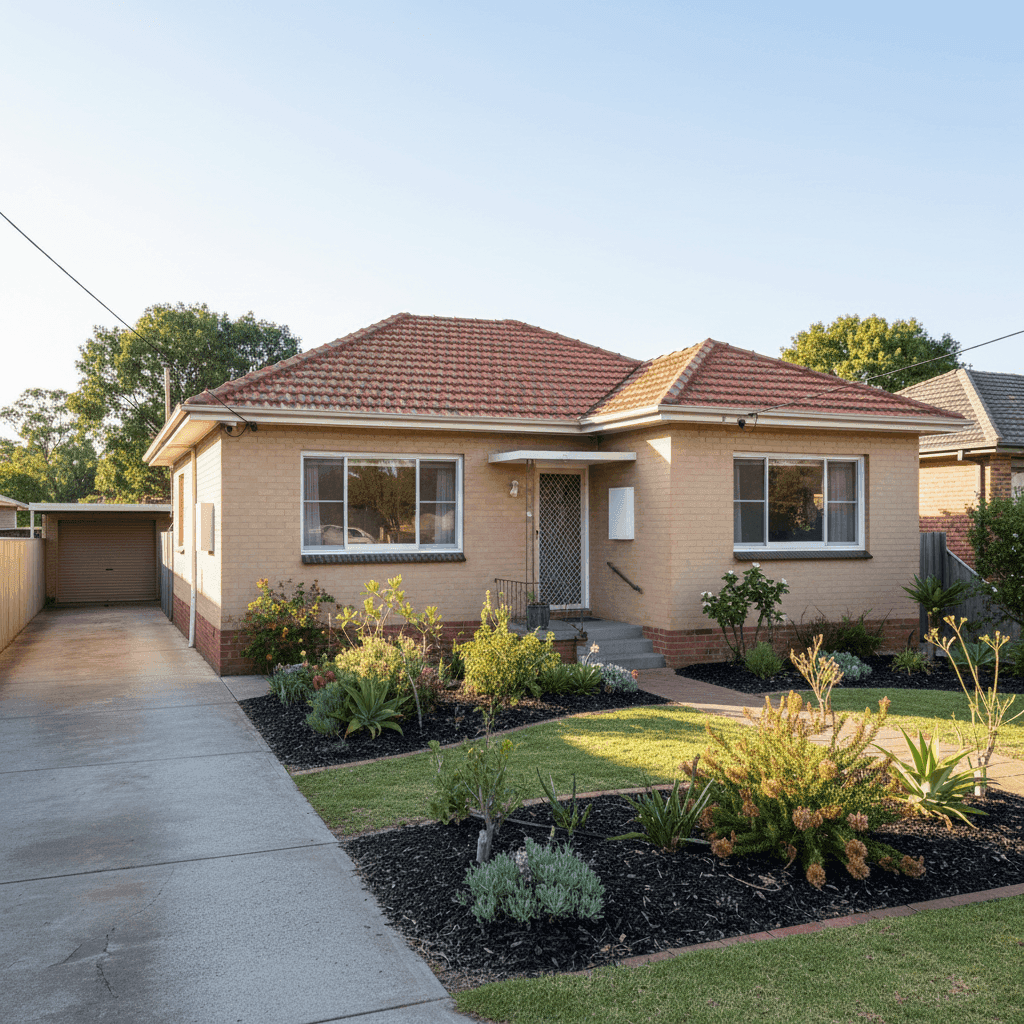
Willagee is a well-established suburb in Perth's southern corridor, sitting within the City of Melville and known for its solid post-war housing stock. If you own a free standing home here — particularly one of the classic double brick homes built in the mid-twentieth century — understanding what you should be paying for building insurance is an important step in protecting one of your most valuable assets. This article breaks down a real building-only insurance quote for a three-bedroom home in Willagee, compares it against local, state, and national benchmarks, and offers practical guidance for homeowners in the area.
---
Is This Quote Fair?
The quote in question comes in at $1,321 per year (or about $127 per month) for building-only cover, with a $1,000 building excess and a sum insured of $327,000. Our price rating for this quote is FAIR — Around Average.
That assessment holds up well under scrutiny. The suburb average for Willagee sits at $1,314 per year, meaning this quote is just $7 above the local average — essentially on par with what most comparable properties in the area are attracting. It also falls neatly between the suburb's 25th percentile ($841/yr) and 75th percentile ($1,722/yr), placing it squarely in the middle of the market.
In short, this isn't a bargain, but it's also not an outlier. For a 1965-built home with standard fittings and a 130 sqm footprint, a premium in this range is broadly what the market expects.
---
How Willagee Compares
One of the most striking takeaways from this data is just how competitively priced home insurance is in Willagee relative to broader benchmarks. Here's how the numbers stack up:
| Benchmark | Annual Premium |
|---|---|
| This quote | $1,321 |
| Willagee suburb average | $1,314 |
| Willagee suburb median | $1,275 |
| City of Melville LGA average | $1,826 |
| WA state average | $2,811 |
| WA state median | $2,127 |
| National average | $5,347 |
| National median | $2,764 |
The contrast with national figures is particularly stark. At $1,321 per year, this Willagee quote is 75% below the national average of $5,347, and well under even the national median of $2,764. Much of that national figure is skewed by high-risk regions in Queensland, Northern Australia, and cyclone-prone coastal areas, where premiums can be eye-watering.
Even within WA, Willagee performs favourably. The state average of $2,811 is more than double this quote, reflecting the influence of higher-risk postcodes across regional and northern WA. Willagee's position in Perth's southern suburbs — away from cyclone zones and with low flood risk — keeps premiums grounded.
You can explore more local data on the Willagee suburb stats page, compare it against the WA state overview, or see how it sits in the broader national picture.
> Note: The suburb sample size for this analysis is 17 quotes, which provides a reasonable directional benchmark, though a larger sample would give even greater confidence in the averages.
---
Property Features That Affect Your Premium
Several characteristics of this property have a meaningful influence on its insurance premium — for better and for worse.
Double Brick Construction
This is arguably the most premium-friendly feature of the home. Double brick walls are highly regarded by insurers for their durability, fire resistance, and structural integrity. Compared to timber-framed or clad homes, double brick properties typically attract lower premiums and are less susceptible to storm and impact damage.
Tiled Roof
Terracotta or concrete tiles are a standard roofing choice for homes of this era and are generally well-regarded by insurers. Tiles offer solid weather resistance, though they can be prone to cracking under impact (such as hail or falling branches). Overall, a tiled roof is considered a neutral-to-positive factor for premium pricing.
Slab Foundation
A concrete slab foundation is a reliable base for a home of this age and construction type. It reduces the risk of subsidence-related claims compared to older pier-and-beam setups, and most insurers view it favourably.
Age of Construction (1965)
Homes built in the 1960s carry some additional risk simply due to age — older plumbing, wiring, and roofing components may be closer to the end of their serviceable life. Insurers factor this in, and it's one reason why maintaining your home in good condition is so important for both claim outcomes and premium management.
Ducted Climate Control
The presence of ducted climate control adds to the sum insured and the overall replacement cost of the property, which can nudge premiums slightly higher. It's a relatively minor factor but worth noting.
No Pool, No Solar
The absence of a swimming pool removes a common liability and maintenance risk from the insurer's perspective. Similarly, no solar panels means one fewer potential source of electrical or structural claims. Both are modest but genuine premium-reducing factors.
---
Tips for Homeowners in Willagee
1. Review your sum insured regularly A sum insured of $327,000 for a 130 sqm double brick home may be appropriate today, but building costs in Perth have risen significantly in recent years. Make sure your sum insured reflects current rebuild costs — not the market value of the land. Underinsurance is one of the most common and costly mistakes homeowners make.
2. Keep up with maintenance on your 1960s home Older homes can be charming and structurally sound, but ageing plumbing, electrical systems, and roofing components can lead to claim disputes if an insurer determines that damage resulted from gradual deterioration rather than a sudden event. Staying on top of maintenance protects both your home and your ability to claim.
3. Compare quotes before renewing Even though this quote is rated as fair, being close to the suburb average doesn't mean it's the best available price. Insurers price risk differently, and switching or negotiating at renewal can yield meaningful savings. Use a comparison tool like CoverClub to see what else is on the market.
4. Consider your excess carefully This policy carries a $1,000 excess. Opting for a higher excess can reduce your annual premium, which makes sense if you're unlikely to make small claims. Conversely, if cash flow is a concern, a lower excess may be worth the slightly higher premium. There's no universal right answer — it depends on your financial situation and risk appetite.
---
Compare Your Own Quote
Whether you're renewing an existing policy or shopping for cover for the first time, it pays to know where your premium stands relative to the market. CoverClub makes it easy to benchmark your quote and explore alternatives — all in one place. Get started with a free quote comparison and make sure you're getting value for your premium dollar.