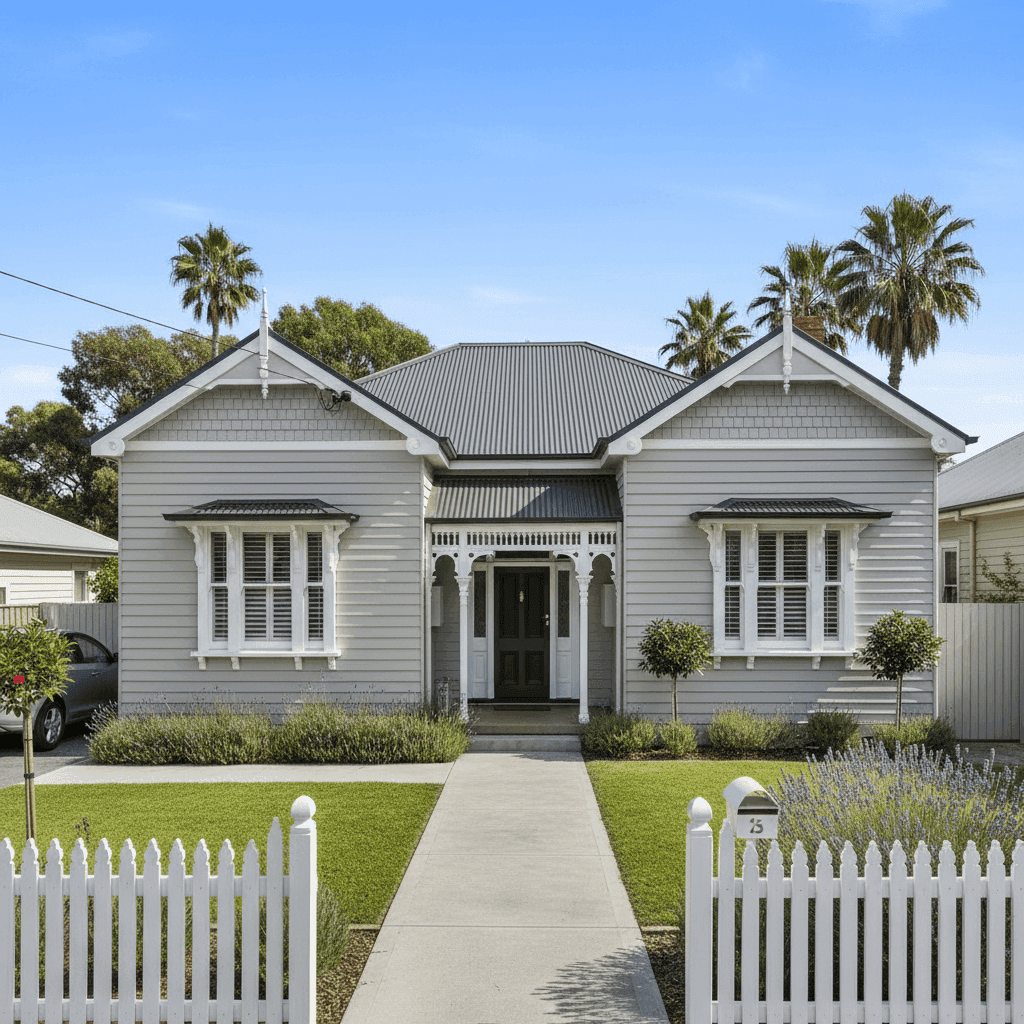
Williamstown is one of Melbourne's most characterful bayside suburbs — a heritage-rich pocket of Port Phillip Bay known for its Victorian-era streetscapes, strong community feel, and consistently high property values. For owners of free standing homes in this area, understanding what you should be paying for home and contents insurance is just as important as knowing what your property is worth. This article breaks down a real insurance quote for a three-bedroom, two-bathroom weatherboard home in Williamstown (VIC 3016), and puts the premium in context against local, state, and national benchmarks.
---
Is This Quote Fair?
The quoted annual premium for this property is $2,598 per year (or $249 per month), covering both building and contents. The building is insured for $1,502,000 and contents for $150,000, with a $1,000 excess applying to both.
Our price rating for this quote is FAIR — Around Average, which means the premium sits in a reasonable range relative to comparable properties in the area. It's not a standout bargain, but it's also well within what you'd expect to pay for a home of this type and specification in Williamstown.
To put that in perspective: the suburb average premium is $2,245 per year, and the suburb median sits at $2,239. This quote comes in about $353 above the local median — placing it comfortably within the upper-middle portion of the local pricing spread. The 25th percentile for Williamstown quotes is $1,497, while the 75th percentile reaches $2,922, meaning this quote sits between the midpoint and the upper quartile. That's a reasonable position given the above-average fittings quality and the relatively high building sum insured.
---
How Williamstown Compares
Zooming out beyond the suburb gives a clearer picture of just how competitive this quote is. You can explore the full breakdown on the Williamstown insurance stats page.
| Benchmark | Average Premium | Median Premium |
|---|---|---|
| Williamstown (3016) | $2,245/yr | $2,239/yr |
| Hobsons Bay LGA | $1,721/yr | — |
| Victoria | $3,000/yr | $2,718/yr |
| National | $5,347/yr | $2,764/yr |
A few things stand out here. First, Williamstown premiums are notably lower than the Victorian state average of $3,000 per year — a meaningful difference of around $755 annually. Compared to the state-wide picture for VIC, this suburb appears to be a relatively affordable area to insure.
Second, the national average of $5,347 is dramatically higher than what Williamstown homeowners typically pay. This figure is heavily influenced by high-risk regions — particularly cyclone-prone areas in Queensland and Western Australia — which push the national average well above what most Melbourne homeowners would experience. The national insurance stats provide more detail on how premiums vary across Australia.
It's also worth noting that the Hobsons Bay LGA average of $1,721 is lower than the Williamstown suburb average. This suggests that Williamstown itself, likely due to higher property values and rebuild costs, attracts slightly higher premiums than some neighbouring suburbs within the same local government area.
---
Property Features That Affect Your Premium
Several characteristics of this particular property will have influenced the quoted premium — both upward and downward.
Weatherboard timber cladding is one of the more significant rating factors. While it's a classic and attractive external wall material common in older Melbourne suburbs, weatherboard is more susceptible to fire and moisture damage than brick veneer or full brick construction. Insurers typically apply a loading to timber-clad homes, which can push premiums higher than equivalent brick homes.
Steel/Colorbond roofing, on the other hand, is generally viewed favourably by insurers. It's durable, low-maintenance, and performs well in storms — a sensible choice that likely helps moderate the premium.
The slab foundation is a neutral-to-positive factor. Slab homes are structurally solid and don't carry the subsidence risks associated with older pier-and-beam or strip footings.
Above-average fittings quality — think stone benchtops, quality appliances, and premium fixtures — increases the cost to rebuild or repair the home to its original standard. This is reflected in the higher building sum insured of $1,502,000, which is substantial and will directly influence the premium.
The 2012 construction year means this is a relatively modern home, built to contemporary building codes. Newer homes tend to attract lower premiums than older stock, as they're less likely to have ageing wiring, plumbing, or structural issues.
The absence of a pool and solar panels simplifies the risk profile slightly, while the presence of ducted climate control adds modest value to the contents and building sum. Williamstown is not a cyclone risk area, which keeps the premium well below what comparable homes in northern Australia would attract.
---
Tips for Homeowners in Williamstown
1. Review your building sum insured regularly. With a sum insured of $1,502,000, it's important to ensure this figure reflects current rebuild costs — not just market value. Construction costs have risen sharply in recent years, and being underinsured on a weatherboard home with above-average fittings could leave you significantly out of pocket after a total loss. Use a quantity surveyor or your insurer's building calculator to validate this figure annually.
2. Consider the impact of your excess. A $1,000 excess on both building and contents is fairly standard, but increasing your excess voluntarily is one of the most effective ways to reduce your annual premium. If you have the financial buffer to absorb a higher out-of-pocket cost in the event of a claim, bumping your excess to $2,000 or more could meaningfully lower what you pay each year.
3. Shop around at renewal time. The fact that this quote sits above the suburb median is a reminder that premiums vary considerably between insurers — even for identical properties. Loyalty doesn't always pay in insurance. Comparing at least two or three quotes before renewing is a simple habit that can save hundreds of dollars per year.
4. Protect your weatherboard cladding proactively. Insurers reward well-maintained properties. Timber weatherboard homes benefit from regular painting and sealing to prevent moisture ingress and reduce fire risk. Keeping your home in good condition isn't just good practice — it can also support your claim if you ever need to demonstrate that the property was properly maintained.
---
Compare Your Own Quote
Whether you're insuring a weatherboard cottage or a modern townhouse, the best way to know if you're getting a fair deal is to compare. CoverClub makes it easy to benchmark your premium against real data from your suburb, LGA, and state. Get a home insurance quote today and see exactly where you stand.