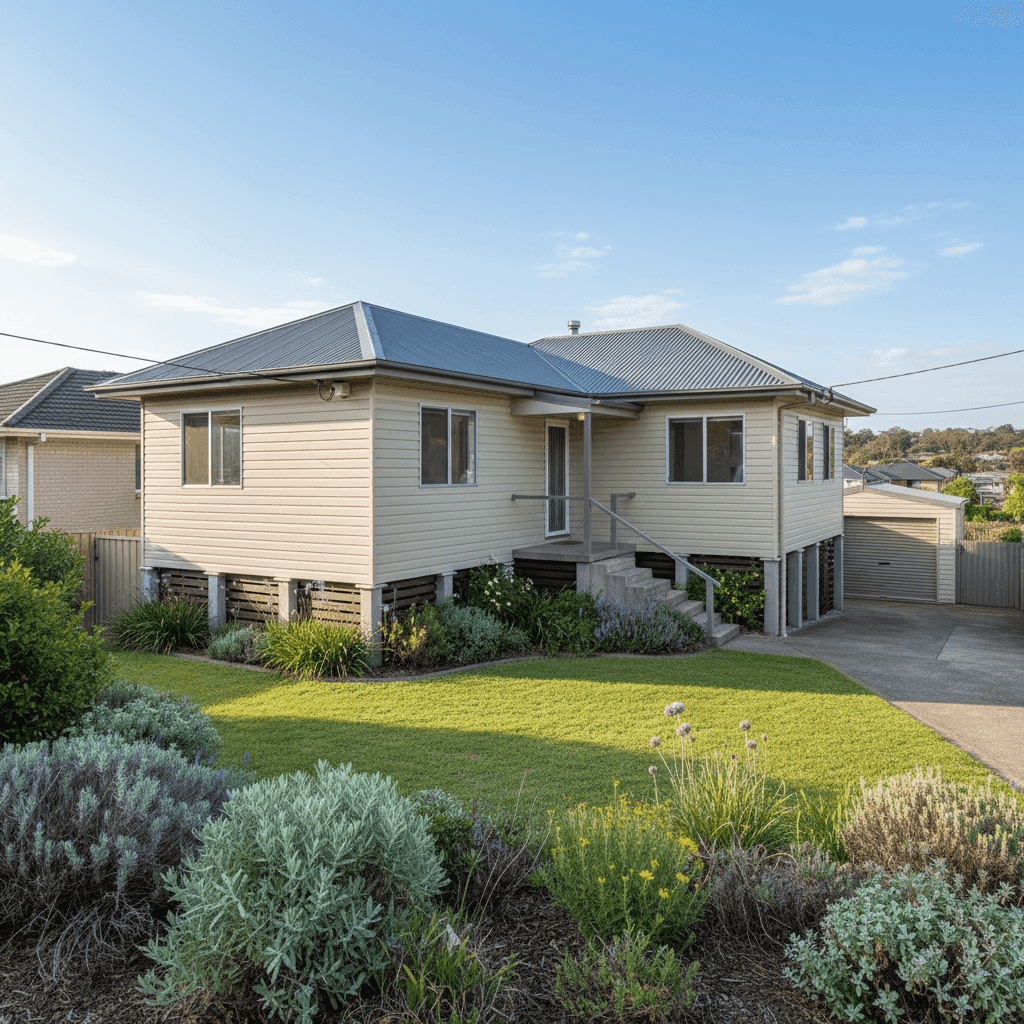
Williamtown is a small but well-known locality in the Port Stephens region of New South Wales, sitting just north of Newcastle and home to the RAAF Base Williamtown. For residents with a free standing home in the area, understanding what you should be paying for home and contents insurance is an important step toward protecting one of your biggest assets. This article breaks down a real quote for a 2-bedroom, 1-bathroom free standing home in Williamtown NSW 2318, and puts it in context against local, state, and national pricing data.
---
Is This Quote Fair?
The quote in question comes in at $1,596 per year (or $155/month) for combined home and contents cover, with a building sum insured of $310,000 and contents valued at $20,000. The building excess is $2,000 and the contents excess is $1,000.
Our price rating for this quote is FAIR — Around Average.
At first glance, $1,596 per year sits comfortably below the suburb average of $2,134 and the suburb median of $2,187, which is an encouraging sign. However, it's worth noting that the suburb's 25th percentile sits at $1,422 per year, meaning roughly a quarter of comparable quotes in the area come in even cheaper. So while this quote is certainly not overpriced, there may be room to find a more competitive rate with a bit of shopping around.
The "Fair" rating reflects the fact that the premium is below average for the area but hasn't quite reached the most competitive tier available locally. It's a reasonable price — but not necessarily the best on the market.
---
How Williamtown Compares
To properly assess this quote, it helps to zoom out and look at the broader pricing landscape.
| Benchmark | Premium |
|---|---|
| This Quote | $1,596/yr |
| Williamtown Suburb Average | $2,134/yr |
| Williamtown Suburb Median | $2,187/yr |
| Williamtown 25th Percentile | $1,422/yr |
| Williamtown 75th Percentile | $2,710/yr |
| Port Stephens LGA Average | $3,116/yr |
| NSW State Average | $3,801/yr |
| NSW State Median | $3,410/yr |
| National Average | $2,965/yr |
| National Median | $2,716/yr |
The numbers tell an interesting story. This quote beats the Williamtown suburb average by around $538 per year and comes in well under both the NSW state average of $3,801 and the national average of $2,965. That's a meaningful saving — particularly compared to the broader NSW market, where premiums have been climbing steadily in recent years off the back of increased weather events and rising rebuild costs.
The Port Stephens LGA average of $3,116 per year is notably higher than the Williamtown suburb figures, which suggests that other parts of the LGA — potentially areas with greater flood, bushfire, or coastal storm exposure — are pulling that average upward. Williamtown itself, while not immune to risk, appears to attract relatively moderate premiums compared to its LGA neighbours.
It's worth keeping in mind that the suburb sample size here is 13 quotes, so the local data is directionally useful but not as statistically robust as the state and national figures.
---
Property Features That Affect Your Premium
Every home is different, and insurers price risk based on a range of property-specific factors. Here's how the features of this particular home are likely influencing the premium:
Vinyl Cladding Exterior Vinyl cladding is generally viewed as a moderate-risk external wall material. It's less fire-resistant than brick veneer but is relatively low-maintenance and resistant to rot and moisture. Some insurers apply a modest loading for non-masonry walls, so this may be a minor factor in the pricing.
Steel/Colorbond Roof A Colorbond steel roof is widely regarded as a positive risk factor by Australian insurers. It's durable, fire-resistant, and performs well in high-wind conditions — all attributes that can contribute to a lower premium compared to tile or older roofing materials.
Stump Foundation Homes on stumps (also known as raised or pier foundations) can be more vulnerable to movement and water ingress beneath the floor, particularly during heavy rainfall. This construction style is common in older Queensland and NSW homes and can attract some additional scrutiny from underwriters, though it's generally well-understood by the market.
Timber/Laminate Flooring Timber and laminate floors can be more susceptible to water damage than tiles or concrete, which may factor into contents and building claims. This is worth keeping in mind when setting your sum insured.
Built in 1998 At around 26 years old, this home is relatively modern by Australian standards. Homes built in the late 1990s typically comply with updated building codes introduced during that era, which can work in your favour from a risk perspective compared to pre-1980s construction.
Ducted Climate Control The presence of ducted climate control adds to the replacement value of the home and is a relevant factor in ensuring your building sum insured is adequate. At $310,000, it's important to verify this figure reflects current rebuild costs, including the HVAC system.
No Pool, No Solar Panels The absence of a swimming pool and solar panels removes two potential sources of liability and equipment claims, which can keep premiums slightly lower.
---
Tips for Homeowners in Williamtown
1. Review your building sum insured regularly Rebuild costs in NSW have risen significantly over the past few years due to labour shortages and increased material costs. A sum insured of $310,000 for a 105 sqm home may be appropriate today, but it's worth using an independent building cost calculator annually to make sure you're not underinsured. Being underinsured can leave you significantly out of pocket after a major claim.
2. Consider raising your excess to lower your premium The current building excess on this policy is $2,000. If you have the financial capacity to absorb a higher out-of-pocket cost in the event of a claim, opting for a higher excess can meaningfully reduce your annual premium. Just make sure the saving justifies the additional risk exposure.
3. Shop around at renewal time Insurance loyalty rarely pays off in Australia. Insurers often reserve their best rates for new customers, which means your premium can creep up quietly at renewal. Use a comparison platform like CoverClub to benchmark your renewal quote against the market each year — it only takes a few minutes.
4. Check what's excluded under your contents policy With contents insured at $20,000, it's important to review the policy's sub-limits for high-value items such as jewellery, electronics, and portable equipment. Many standard policies cap payouts on individual item categories, so if you have items of significant value, you may need to list them separately or increase your cover.
---
Compare Your Home Insurance Quote Today
Whether you're a first-time buyer or a long-term Williamtown resident, making sure you have the right cover at a competitive price matters. CoverClub makes it easy to compare home and contents insurance quotes from a range of Australian insurers in one place. Get a quote today and see how your current premium stacks up — you might be surprised by what's available.