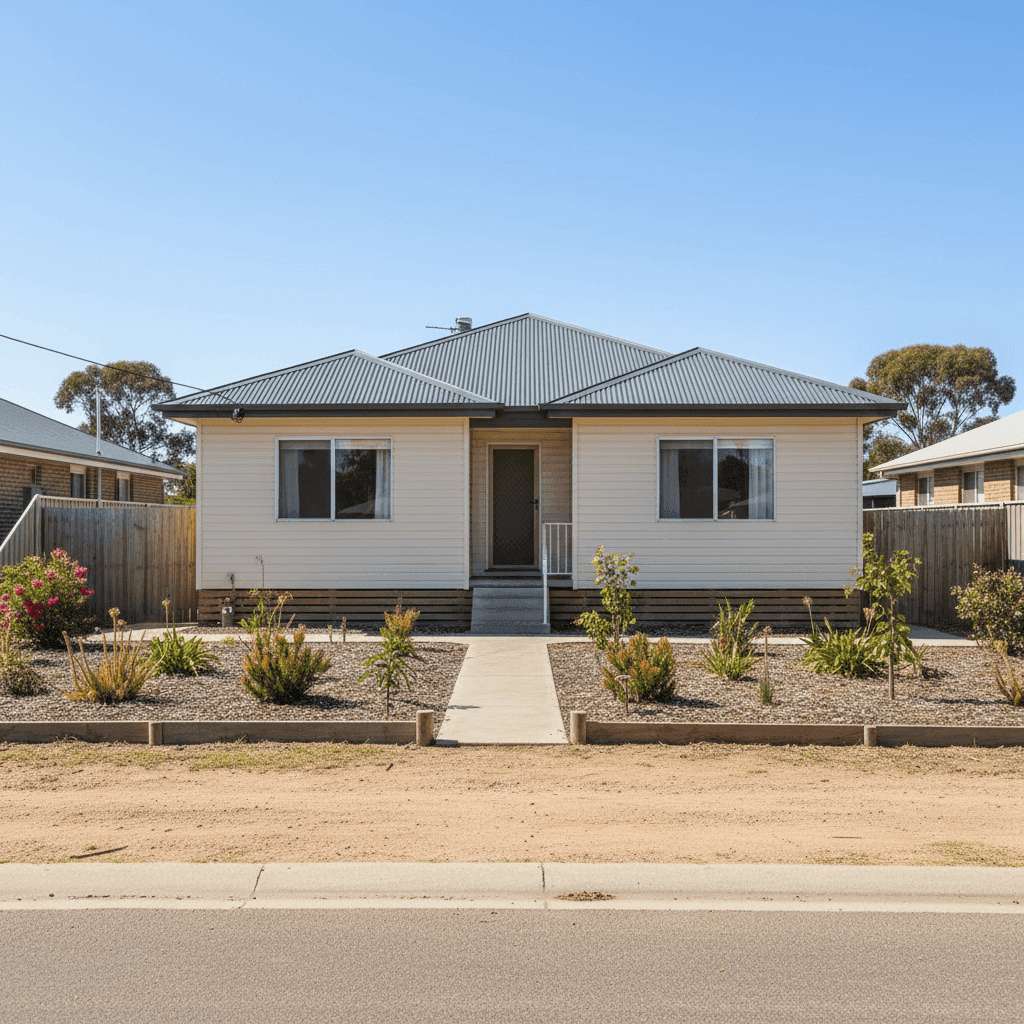
If you own a free standing home in Williamtown, NSW 2318, you're likely no stranger to the question: am I paying too much for home insurance? Williamtown is a small coastal community in the Port Stephens local government area, known for its proximity to RAAF Base Williamtown and the beautiful shores of Port Stephens. Like many regional NSW locations, insurance premiums here can vary significantly depending on your property's characteristics and the insurer you choose. This article breaks down a real home and contents insurance quote for a 2-bedroom free standing home in Williamtown and puts it in context against suburb, state, and national benchmarks.
---
Is This Quote Fair?
The quote in question comes in at $1,586 per year (or $154 per month) for combined home and contents cover — insuring the building for $275,000 and contents for $20,000, with a $2,000 building excess and $1,000 contents excess.
Our price rating for this quote is FAIR (Around Average), which means it's broadly in line with what other Williamtown homeowners are paying, though it's not the cheapest option on the market. Sitting between the suburb's 25th percentile ($1,422/yr) and the median ($2,187/yr), this premium reflects a reasonably competitive position — you're paying less than the majority of comparable quotes in the area, but there's still room to potentially do better.
It's worth noting that a "fair" rating doesn't mean you should stop shopping around. Even a modest saving of $200–$300 per year adds up to real money over time, and the insurance market is competitive enough that better deals do exist.
---
How Williamtown Compares
To understand whether this quote represents good value, it helps to zoom out and look at the broader pricing landscape. Here's how Williamtown stacks up:
| Benchmark | Premium |
|---|---|
| This Quote | $1,586/yr |
| Williamtown Suburb Average | $2,134/yr |
| Williamtown Suburb Median | $2,187/yr |
| Williamtown 25th Percentile | $1,422/yr |
| Williamtown 75th Percentile | $2,710/yr |
| Port Stephens LGA Average | $3,473/yr |
| NSW State Average | $3,801/yr |
| NSW State Median | $3,410/yr |
| National Average | $2,965/yr |
| National Median | $2,716/yr |
(Based on 13 quotes sampled for the Williamtown 2318 postcode)
The numbers tell an interesting story. At $1,586/yr, this quote sits 25.6% below the suburb average and a substantial 58.3% below the NSW state average. Compared to the national average of $2,965/yr, it's also 46.5% cheaper — a meaningful difference.
The Port Stephens LGA average of $3,473/yr is particularly striking. This suggests that properties elsewhere in the LGA — perhaps in more flood-prone or coastal-exposed areas — attract considerably higher premiums than what's being quoted for this Williamtown home.
You can explore more local data on the Williamtown suburb insurance stats page, compare it against NSW state-wide insurance figures, or see how it measures up against national home insurance averages.
---
Property Features That Affect Your Premium
Every property is different, and insurers assess a range of physical characteristics when calculating your premium. Here's how the features of this particular home likely influence what you pay:
Vinyl Cladding External Walls
Vinyl cladding is a relatively affordable and low-maintenance external wall material. From an insurance perspective, it's generally considered a moderate-risk material — more resilient to moisture than timber weatherboards, but not as robust as brick veneer or full brick. Some insurers may price it slightly higher than masonry construction, though it remains a common and accepted wall type.
Steel/Colorbond Roof
Colorbond steel roofing is one of the most insurer-friendly roof types in Australia. It's highly durable, fire-resistant, and performs well in high-wind conditions. Homes with Colorbond roofs typically attract lower premiums than those with tile roofs, which can crack, leak, or cause structural issues after storm events. This is likely a positive factor in keeping this quote competitive.
Stump Foundation
Homes on stumps (also known as piers or posts) are common in older Australian residential areas. While stumps offer good ventilation and can be advantageous in flood-prone areas, they can also be a cost factor if restumping is required. Insurers generally assess stump foundations on a case-by-case basis, and the 1998 construction year means this home is relatively modern — likely built with treated or concrete stumps rather than the older timber variety.
Timber/Laminate Flooring
Timber and laminate floors are a common flooring choice and don't typically attract significant premium loading. However, they can be more susceptible to water damage than tiles, which is worth keeping in mind when assessing your contents and building cover levels.
Property Size and Age
At 105 sqm and built in 1998, this is a modest, mid-aged home. The building sum insured of $275,000 appears reasonable for a 2-bedroom home of this size, though it's always worth periodically reassessing your sum insured to account for rising construction costs.
---
Tips for Homeowners in Williamtown
Whether you're reviewing an existing policy or shopping for a new one, here are some practical steps Williamtown homeowners can take to get better value from their home insurance:
- Review your sum insured annually. Construction costs in Australia have risen sharply in recent years. Make sure your $275,000 building sum insured still reflects the true cost of rebuilding your home — not just its market value. Underinsurance is one of the most common and costly mistakes homeowners make.
- Consider your excess carefully. This quote carries a $2,000 building excess and $1,000 contents excess. Opting for a higher excess can lower your annual premium, but make sure you could comfortably cover that amount out of pocket in the event of a claim. For smaller claims, a high excess may mean you end up not claiming at all.
- Ask about discounts for security features. While this property doesn't include solar panels or a pool, insurers often offer discounts for homes with deadbolt locks, monitored alarm systems, or security cameras. If you've recently upgraded your home security, let your insurer know — it could reduce your premium.
- Shop the market at renewal time. Loyalty doesn't always pay in the insurance industry. Insurers frequently offer better rates to new customers than to existing ones. Set a reminder to compare quotes at least 30 days before your policy renews each year — even if you're happy with your current cover.
---
Compare Your Home Insurance Today
Whether you're a first-time buyer or a long-time Williamtown resident, it pays to make sure you're getting the right cover at the right price. CoverClub makes it easy to compare home and contents insurance quotes from a range of Australian insurers — all in one place, with no obligation.
Get a home insurance quote now and see how your current premium stacks up.