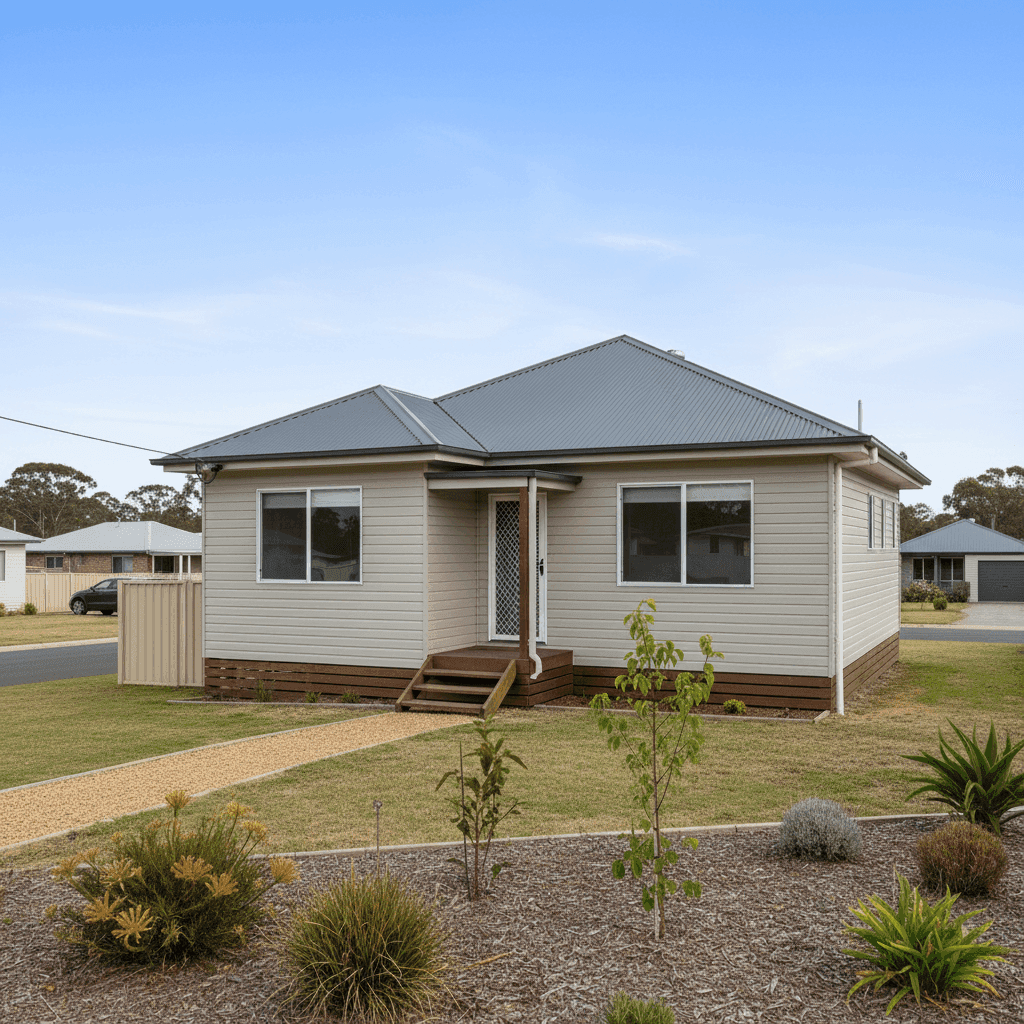
Williamtown is a small coastal community in the Port Stephens local government area of New South Wales, sitting just north of Newcastle. Known for its proximity to RAAF Base Williamtown and the stunning Tomaree National Park, it's a suburb that attracts homeowners who value a relaxed lifestyle close to nature. For a 2-bedroom free standing home in this area, understanding what you're paying for home and contents insurance — and whether you're getting a fair deal — is well worth your time.
---
Is This Quote Fair?
The quote under review comes in at $1,746 per year (or $171/month) for combined home and contents cover, with a building sum insured of $290,000 and contents valued at $20,000. The building excess sits at $2,000 and the contents excess at $1,000.
Our price rating for this quote is FAIR — Around Average, which means it's neither a standout bargain nor an overpriced outlier. It lands meaningfully below the suburb average of $2,134/yr and the suburb median of $2,187/yr, which is a positive sign. However, it does sit above the suburb's 25th percentile of $1,422/yr, meaning roughly a quarter of comparable Williamtown quotes come in cheaper.
In plain terms: this is a reasonable quote, but there may be room to do better. It's worth comparing a few options before committing.
---
How Williamtown Compares
To put this quote in proper context, it helps to zoom out and look at the broader pricing landscape.
| Benchmark | Premium |
|---|---|
| This Quote | $1,746/yr |
| Williamtown Suburb Average | $2,134/yr |
| Williamtown Suburb Median | $2,187/yr |
| NSW State Average | $3,801/yr |
| NSW State Median | $3,410/yr |
| National Average | $2,965/yr |
| National Median | $2,716/yr |
| Port Stephens LGA Average | $3,473/yr |
The figures tell an interesting story. Williamtown's local premiums are significantly lower than both the NSW state average and the national average — a gap of over $2,000/yr compared to the state average. Even the Port Stephens LGA average of $3,473/yr sits well above what Williamtown homeowners are typically paying.
This suggests that, as a suburb, Williamtown is considered a relatively lower-risk area by insurers compared to many other parts of NSW. The absence of cyclone risk, and the suburb's inland position relative to the open coastline, likely contributes to this.
You can explore the full data for this postcode at our Williamtown suburb stats page, or compare it against the broader NSW insurance landscape and national benchmarks.
> Note: The suburb sample size for Williamtown is 13 quotes, which is a relatively small dataset. Treat these averages as indicative rather than definitive — your individual circumstances can shift your premium considerably.
---
Property Features That Affect Your Premium
Every insurer assesses risk differently, but the physical characteristics of a property play a major role in determining your premium. Here's how the features of this particular home are likely influencing the quote:
Vinyl Cladding Exterior
Vinyl cladding is a lightweight, low-maintenance wall material that's common in homes built from the 1980s onwards. While it's generally affordable to repair or replace, some insurers view it as slightly higher risk than brick veneer due to its susceptibility to impact damage and fire. That said, it's a widely accepted material and shouldn't significantly inflate your premium.
Steel/Colorbond Roof
A Colorbond steel roof is widely regarded as one of the better roofing choices from an insurance perspective. It's durable, fire-resistant, and performs well in storms. Insurers typically look favourably on Colorbond roofs, which may help keep your premium competitive.
Stump Foundation
Homes on stumps (also called timber or concrete piers) are common in coastal and regional NSW. This foundation type allows airflow beneath the home, which can reduce moisture issues — but it also means the underfloor space is exposed and the structure can be more vulnerable to movement over time. Insurers may factor this in, though it's rarely a major premium driver for well-maintained homes.
Timber/Laminate Flooring
Timber and laminate floors are a contents and building consideration — they can be costly to replace if damaged by water or fire. Ensuring your sum insured accurately reflects the cost of replacing these finishes is important to avoid being underinsured.
Construction Year (1998) and Size (105 sqm)
A home built in 1998 is relatively modern and would have been constructed under building codes that introduced improved safety and structural standards. At 105 sqm, it's a compact home, which generally means lower rebuilding costs — consistent with the $290,000 building sum insured on this quote.
No Pool, Solar Panels, or Ducted Climate Control
The absence of a pool, solar panels, and ducted air conditioning keeps the risk profile straightforward. Each of these additions can increase a premium, so their absence here likely contributes to the competitive pricing.
---
Tips for Homeowners in Williamtown
Whether you're reviewing an existing policy or shopping for a new one, these practical steps can help you get better value on your home insurance.
1. Check Your Sum Insured Regularly
Building costs have risen sharply across Australia in recent years. The cost to rebuild a 105 sqm home today may be higher than it was when your policy was first written. Use a building cost calculator or speak with a local builder to make sure your $290,000 sum insured still reflects current rebuild costs — being underinsured can leave you seriously out of pocket after a claim.
2. Consider Raising Your Excess Strategically
The building excess on this quote is $2,000, which is already on the higher side. A higher excess generally reduces your annual premium. If you have a financial buffer and rarely make small claims, you might find that accepting a higher excess saves you money over time — just make sure it's an amount you could genuinely afford if you needed to claim.
3. Bundle Home and Contents Thoughtfully
This quote covers both home and contents, which is often more convenient and can attract a discount. However, it's worth checking whether your contents value of $20,000 is accurate. Undervaluing contents is a common mistake — do a quick audit of your furniture, appliances, clothing, and electronics to make sure you're adequately covered.
4. Compare Quotes Annually
The insurance market shifts constantly, and loyalty doesn't always pay. Even if this quote is rated as fair, running a fresh comparison at renewal time could surface a better deal. Williamtown's relatively low average premiums mean competition among insurers in this area can work in your favour.
---
Ready to Compare?
Whether this quote matches your current policy or you're starting from scratch, comparing your options is the smartest move you can make. At CoverClub, you can get quotes tailored to your property and see how they stack up against real data from your suburb, state, and across Australia. It takes just a few minutes and could save you hundreds.