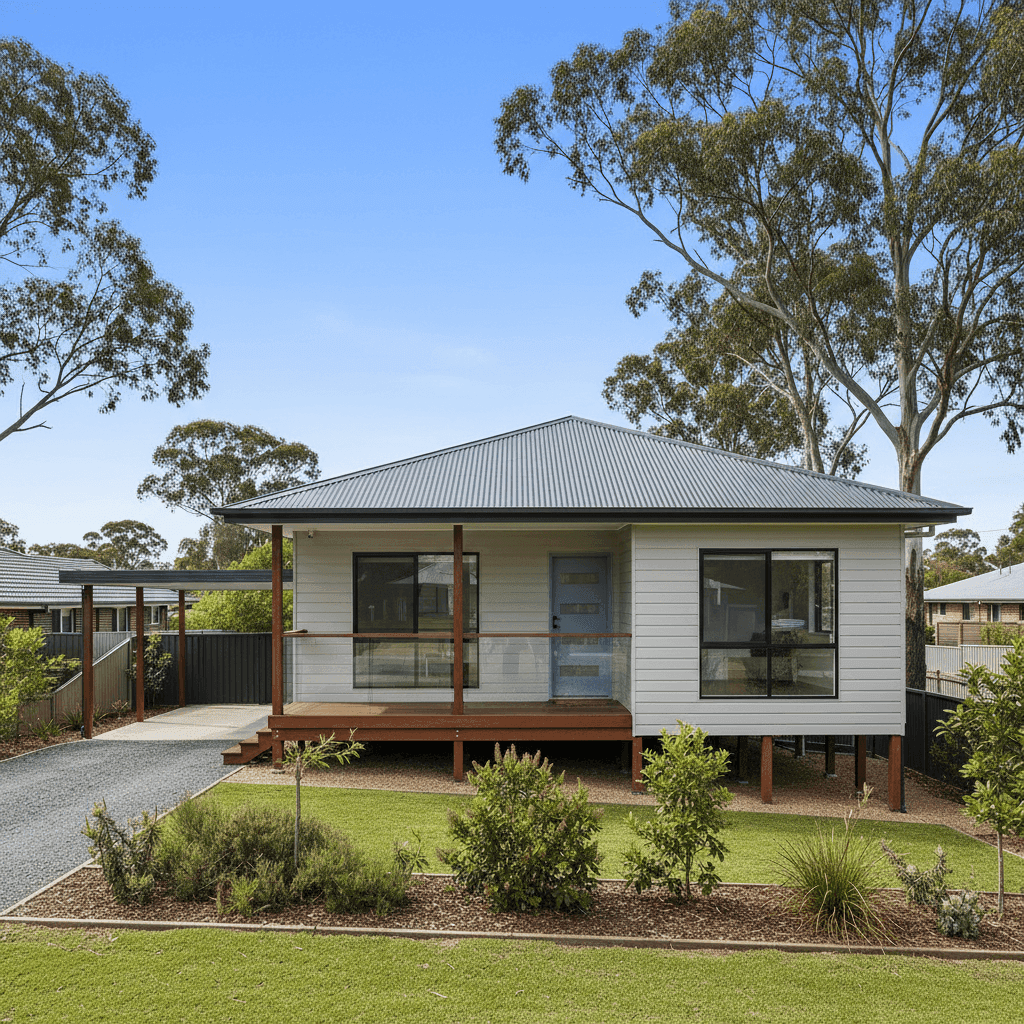
Williamtown is a small coastal locality in the Port Stephens region of New South Wales, sitting just north of Newcastle and home to RAAF Base Williamtown. It's a quiet, semi-rural area that attracts homeowners looking for space and proximity to the Hunter Valley and the beaches of Tomaree Peninsula. If you own a free standing home here, understanding what you should be paying for home and contents insurance is a smart financial move — and this article breaks down exactly that.
---
Is This Quote Fair?
The quote in question is $1,586 per year (or $154/month) for combined home and contents cover on a 2-bedroom, 1-bathroom free standing home in Williamtown. The building is insured for $250,000, with $20,000 in contents cover, a $2,000 building excess, and a $1,000 contents excess.
Our price rating for this quote is FAIR — Around Average.
What does that mean in practice? It means this premium sits in a reasonable middle ground — not the cheapest available, but not overpriced either. For Williamtown specifically, the suburb's 25th percentile premium sits at $1,422/yr, meaning roughly a quarter of comparable quotes come in below that figure. This quote at $1,586 is only slightly above that threshold, suggesting there may be room to find a better deal with some shopping around — but you're not being significantly overcharged.
The suburb average is $2,134/yr and the median is $2,187/yr, so this quote is actually sitting well below the local average — about 26% cheaper than what most Williamtown homeowners are being quoted. That's a meaningful saving.
---
How Williamtown Compares
To put this quote in proper context, it helps to zoom out and look at the broader pricing landscape.
| Benchmark | Premium |
|---|---|
| This Quote | $1,586/yr |
| Williamtown Suburb Average | $2,134/yr |
| Williamtown Suburb Median | $2,187/yr |
| Port Stephens LGA Average | $3,473/yr |
| NSW State Average | $3,801/yr |
| NSW State Median | $3,410/yr |
| National Average | $2,965/yr |
| National Median | $2,716/yr |
The numbers tell an interesting story. Williamtown's local premiums are noticeably lower than both the Port Stephens LGA average ($3,473/yr) and the NSW state average ($3,801/yr). Even compared to the national average of $2,965/yr, Williamtown sits well below the curve.
This likely reflects the suburb's relatively low exposure to some of the more severe natural hazards that drive premiums up in other parts of NSW — such as bushfire-prone regions in the Blue Mountains or flood-affected areas along the Hawkesbury. Williamtown is not classified as a cyclone risk area, which also keeps premiums more moderate.
You can explore the full pricing data for this postcode at our Williamtown suburb stats page, compare it against all NSW suburbs, or see how it stacks up against national benchmarks.
It's worth noting that the Williamtown sample size for this analysis is 13 quotes — a reasonable dataset for a small locality, though a larger sample would give even greater confidence in these figures.
---
Property Features That Affect Your Premium
Several characteristics of this particular property influence where the premium lands. Here's how each one plays a role:
Vinyl Cladding External Walls Vinyl cladding is a lightweight, relatively affordable material to repair or replace compared to brick veneer or double brick. Insurers generally view it as a moderate-risk wall type — easier to damage in a storm or impact event, but also cheaper to fix. This can push premiums slightly higher than a brick home, but it's rarely a major loading factor.
Steel / Colorbond Roof Colorbond steel roofing is one of the more insurer-friendly roof types in Australia. It's durable, resistant to fire and pests, and holds up well in storms. Homes with Colorbond roofs often attract lower premiums than those with older tile or fibro roofs, which is a genuine advantage here.
Stump Foundation Homes built on stumps (also called pier and beam foundations) are common in coastal and semi-rural NSW. They allow airflow beneath the home, which can reduce moisture issues, but they can also be more vulnerable to movement and damage from flooding or termites. Insurers may factor this in, though for a 1998-built home, modern stump construction is generally considered sound.
Timber / Laminate Flooring Timber and laminate floors can be costly to repair or replace after water damage or fire, which may contribute modestly to the contents and building sum insured. Ensuring your building sum insured accurately reflects replacement costs — including flooring — is important.
Standard Fittings, 105 sqm Building Size A 105 sqm home with standard fittings is a straightforward risk for insurers. There are no high-end finishes or bespoke features that would significantly inflate the replacement cost. The $250,000 building sum insured appears reasonable for this size and specification in the current construction cost environment.
No Pool, No Solar, No Ducted Climate Control The absence of a pool, solar panels, and ducted air conditioning removes several common premium-loading features. Pools introduce liability risk; solar panels add replacement cost and fire risk considerations; ducted systems are expensive to repair. Not having these keeps the risk profile — and the premium — lower.
---
Tips for Homeowners in Williamtown
1. Review your building sum insured regularly Construction costs in Australia have risen sharply in recent years. A $250,000 sum insured may have been adequate when the policy was first written, but it's worth checking against current rebuild cost estimates — especially with a vinyl clad, timber-floored home where material and labour costs have shifted. Underinsurance is one of the most common and costly mistakes homeowners make.
2. Shop the market at renewal time Even though this quote is below the suburb average, that doesn't mean it's the best available. Insurers reprice risk differently, and switching providers at renewal — rather than auto-renewing — can save hundreds of dollars annually. Use a comparison tool to benchmark your renewal quote before accepting it.
3. Consider your excess settings carefully This policy carries a $2,000 building excess and a $1,000 contents excess. Higher excesses generally reduce your annual premium, but make sure you can comfortably cover those amounts out of pocket if you need to make a claim. If cash flow is a concern, a lower excess with a slightly higher premium might be a better fit.
4. Check for PFAS-related considerations Williamtown has been subject to PFAS (per- and poly-fluoroalkyl substances) contamination concerns linked to the nearby RAAF base. While this doesn't directly affect your insurance premium, it's worth staying informed about any local environmental factors that could influence property values and long-term insurability in the area.
---
Compare Your Own Quote
Whether you're buying, renewing, or just curious about whether you're getting a fair deal, CoverClub makes it easy to see where your premium sits. Get a home insurance quote today and compare it against real data from your suburb, your state, and across Australia. Knowledge is the best tool you have when it comes to protecting your home.