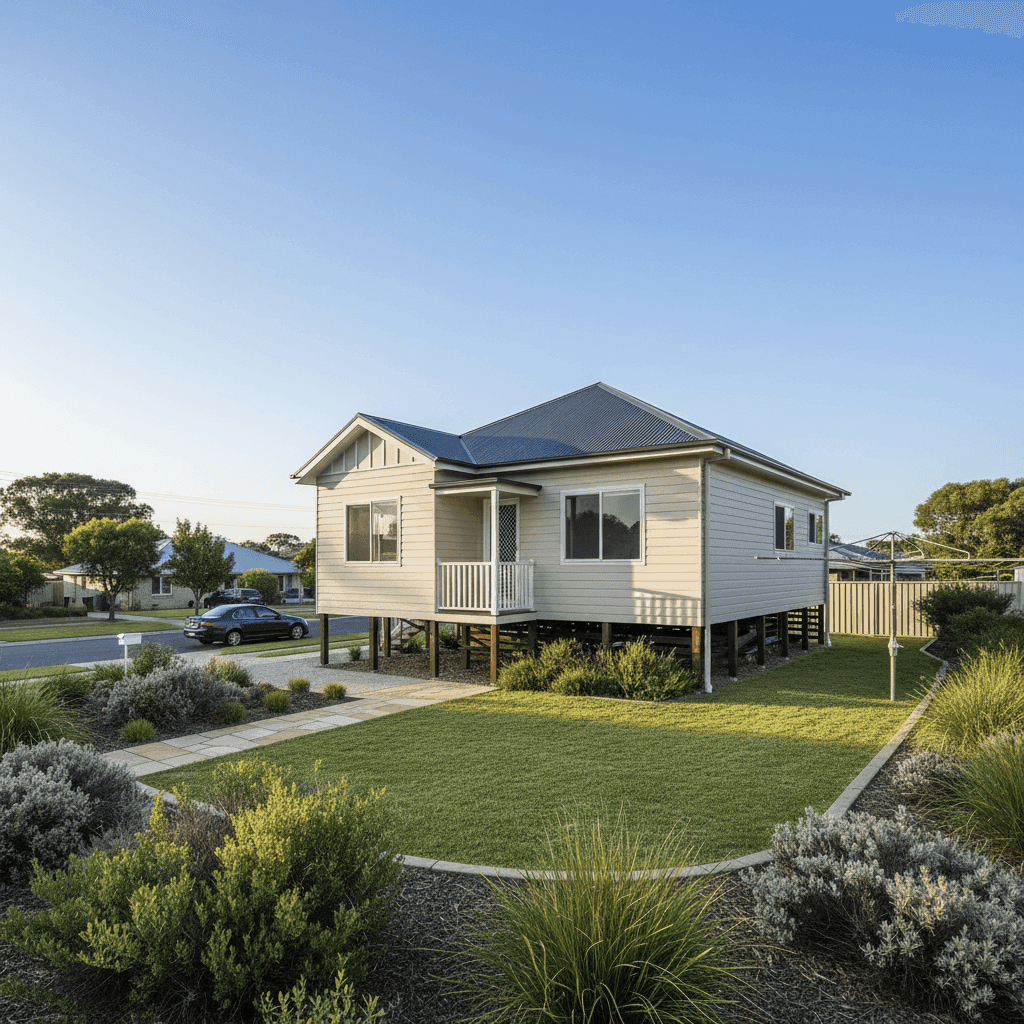
Home insurance costs can vary enormously depending on where you live, what your property is made of, and how much cover you need. This article takes a close look at a real home and contents insurance quote for a two-bedroom free standing home in Williamtown, NSW 2318 — a coastal suburb sitting within the Port Stephens local government area — and puts that premium in context against local, state-wide, and national benchmarks.
---
Is This Quote Fair?
The annual premium for this property came in at $2,303 per year (or roughly $233 per month), covering a building sum insured of $300,000 and contents valued at $20,000. The building excess is $3,000 and the contents excess is $1,000.
Our pricing analysis rates this quote as Fair — Around Average. That assessment holds up when you dig into the numbers. The quote sits comfortably above the suburb's 25th percentile ($1,422/yr) but well below the 75th percentile ($2,710/yr), meaning it lands squarely in the middle of the market for comparable properties in Williamtown.
It's worth noting that a "fair" rating doesn't mean you can't do better — it simply means this quote is broadly in line with what other homeowners in the area are paying. Shopping around could still yield meaningful savings, particularly given the spread between the cheapest and most expensive quotes in the suburb.
---
How Williamtown Compares
To put this premium in proper perspective, here's how it stacks up across different benchmarks:
| Benchmark | Average Premium | Median Premium |
|---|---|---|
| Williamtown (suburb) | $2,134/yr | $2,187/yr |
| Port Stephens LGA | $3,473/yr | — |
| NSW (state) | $3,801/yr | $3,410/yr |
| National | $2,965/yr | $2,716/yr |
At $2,303/yr, this quote is:
- 8% above the Williamtown suburb average of $2,134
- 34% below the Port Stephens LGA average of $3,473
- 39% below the NSW state average of $3,801
- 22% below the national average of $2,965
That's a notable result. Williamtown as a suburb appears to attract meaningfully lower premiums than the broader Port Stephens LGA and the state average — which may reflect the specific risk profile of properties in this pocket of the region. Homeowners here are, on balance, paying considerably less than the typical NSW policyholder.
You can explore more local pricing data on the Williamtown suburb stats page, compare it against the NSW state overview, or see where it sits on a national level.
> Note: The suburb sample size for Williamtown is 13 quotes, so while directionally useful, these averages should be treated as indicative rather than definitive.
---
Property Features That Affect Your Premium
Insurance underwriters assess dozens of variables when pricing a policy. For this particular property, several features are worth understanding:
Vinyl Cladding External Walls
Vinyl cladding is a popular and cost-effective exterior finish, but insurers tend to view it as slightly higher risk than brick veneer or double brick. It can be more susceptible to impact damage and, in certain fire scenarios, may contribute to faster flame spread. This can nudge premiums upward compared to masonry-walled homes.
Steel / Colorbond Roof
A Colorbond steel roof is generally well-regarded by insurers. It's durable, low-maintenance, and performs well in high-wind events. Compared to older tile roofs, Colorbond is less prone to cracking or displacement during storms — a positive factor for premium pricing.
Stump Foundation
Homes on stumps (also known as pier or post foundations) are common in coastal and flood-prone areas of NSW. While stumps allow for airflow and can reduce moisture issues, they may also expose more of the structure to wind uplift. Insurers factor this in, particularly in regions with storm exposure.
Timber / Laminate Flooring
Timber and laminate floors are considered a standard risk by most insurers. They can be susceptible to water damage, which is worth keeping in mind when reviewing your contents cover and any optional flood or escape-of-liquid endorsements.
Construction Year: 1998
At roughly 26 years old, this home falls into a mid-age bracket. It was built after many modern building code improvements came into effect, which is a positive signal for insurers. Properties built before the 1980s often attract higher premiums due to older wiring, plumbing, and structural standards.
No Pool, No Solar, No Ducted Climate Control
The absence of a pool, solar panels, and ducted systems simplifies the risk profile and removes several common sources of claims. This likely contributes to the relatively competitive premium for this property.
---
Tips for Homeowners in Williamtown
Whether you're reviewing an existing policy or shopping for cover for the first time, here are four practical steps worth taking:
1. Review Your Sum Insured Annually
Building costs have risen sharply across Australia in recent years. A sum insured of $300,000 for a 105 sqm home may be adequate today, but it's worth recalculating your rebuild cost each year — factoring in labour, materials, and any site-specific considerations like stump replacement. Underinsurance remains one of the most common and costly mistakes homeowners make.
2. Consider Your Excess Trade-Off
This policy carries a $3,000 building excess, which is on the higher side. A higher excess typically reduces your annual premium, but it also means a larger out-of-pocket cost when you need to claim. Make sure the excess is genuinely affordable for your household — if a $3,000 outlay would cause financial stress, it may be worth paying a slightly higher premium for a lower excess.
3. Check for Flood and Storm Surge Definitions
Williamtown sits near the Hunter estuary and is in proximity to coastal and low-lying areas. It's important to carefully read how your insurer defines "flood" versus "storm" versus "storm surge" — these distinctions can determine whether a claim is paid or denied. Some policies exclude flood entirely unless you opt in.
4. Compare at Renewal Time
The insurance market is competitive, and loyalty doesn't always pay. Insurers sometimes offer better rates to new customers than to renewing ones. Set a reminder to compare quotes at least 30 days before your renewal date to give yourself time to switch if a better deal is available.
---
Ready to Compare Home Insurance in Williamtown?
If you're a homeowner in Williamtown or the surrounding Port Stephens area, it pays to see what's available in the market before committing to a policy. CoverClub makes it easy to compare home and contents insurance quotes side by side, so you can make a confident, informed decision.