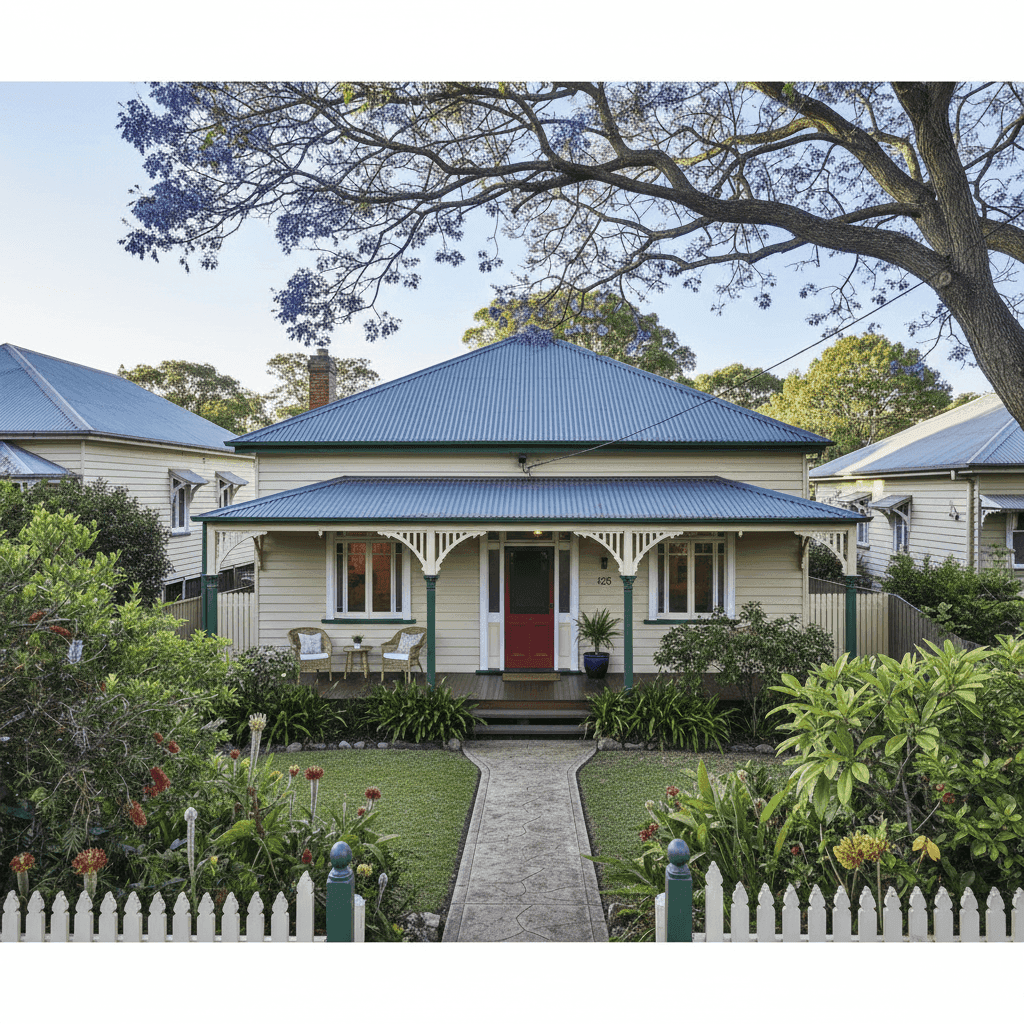
If you own a free standing home in Wilston, QLD 4051, you're likely no stranger to the balancing act of protecting a valuable property while keeping insurance costs manageable. Wilston is one of Brisbane's most sought-after inner-north suburbs — a leafy, character-filled pocket known for its Queenslander and pre-war homes. With a 5-bedroom weatherboard property built in 1950, there's a lot to consider when it comes to getting the right cover at the right price.
This article breaks down a real home and contents insurance quote for a property like this, comparing it against suburb, state, and national benchmarks so you can judge for yourself whether it represents good value.
---
Is This Quote Fair?
The quote in question comes in at $1,928 per year (or $197/month) for combined home and contents cover, with a building sum insured of $752,000 and contents valued at $20,000. The building excess is set at $3,000 and the contents excess at $1,000.
Our price rating for this quote? Cheap — below average. That's a genuinely positive result.
To put it in context, the average premium across quotes we've seen in Wilston sits at $2,529/year, with a median of $2,631/year. This quote comes in well below both figures — and even sits beneath the suburb's 25th percentile of $2,076/year. In plain terms, this is among the most competitively priced quotes available for this type of property in this postcode.
It's worth noting that the higher excess choices — particularly the $3,000 building excess — will have contributed to bringing the premium down. Agreeing to cover more of the initial cost in the event of a claim is a common and effective way to reduce ongoing premiums, provided you're comfortable with that financial exposure if something does go wrong.
---
How Wilston Compares
Wilston sits in a relatively favourable position when stacked against broader insurance markets. Here's how the numbers line up:
| Benchmark | Average Premium | Median Premium |
|---|---|---|
| Wilston (suburb) | $2,529/yr | $2,631/yr |
| Queensland (state) | $9,129/yr | $3,903/yr |
| Australia (national) | $5,347/yr | $2,764/yr |
| Brisbane LGA | $16,277/yr | — |
A few things stand out here. The Queensland state average of $9,129/year is dramatically higher than the median of $3,903/year — a clear sign that extreme premiums in high-risk areas (think Far North Queensland cyclone zones and flood-prone regions) are pulling the average up significantly. Wilston, being an inner-Brisbane suburb without cyclone designation, benefits from a more moderate risk profile.
The Brisbane LGA average of $16,277/year may look alarming, but this is similarly skewed by high-value properties and elevated-risk postcodes across the broader council area. Wilston's own suburb figures are far more grounded.
Compared to the national median of $2,764/year, this quote of $1,928/year still comes out ahead — making it competitive not just locally, but across the country.
You can explore detailed premium data for this postcode on the Wilston suburb stats page, or broaden your view with Queensland state insurance data and national home insurance statistics.
---
Property Features That Affect Your Premium
Several characteristics of this particular property have a meaningful influence on what insurers will charge. Understanding these factors can help you make sense of your own quote.
Weatherboard Timber Walls
Weatherboard construction is common in pre-war Brisbane homes and carries a higher fire risk than brick or rendered masonry. Timber walls can also be more susceptible to termite damage and moisture-related deterioration over time. Insurers typically price this material at a slight premium compared to brick — so it's encouraging that this quote remains competitive despite the construction type.
Steel / Colorbond Roof
On the upside, a Colorbond steel roof is generally viewed favourably by insurers. It's durable, low-maintenance, fire-resistant, and performs well in storms — all of which reduce the likelihood of a weather-related claim. This is a genuine plus for a property of this age.
Slab Foundation
A concrete slab foundation is considered stable and low-risk in most Brisbane contexts. It avoids the underfloor moisture and pest access issues sometimes associated with older timber stumped homes — another factor that can keep premiums in check.
Timber and Laminate Flooring
Flooring type affects the contents and internal fitout replacement cost. Timber floors, particularly in a 305 sqm home, can be expensive to repair or replace after water or fire damage. This is worth keeping in mind when reviewing your sum insured and contents values.
Age of the Property (Built 1950)
Homes built in the 1950s often have older electrical wiring, plumbing, and structural elements that may not meet current building codes. This can increase the cost of reinstatement after a claim, which is part of why accurate building sum insured calculations matter so much for older homes. At $752,000, the building cover here appears substantial, which is appropriate for a 305 sqm property of this age and character.
No Pool, Solar, or Ducted Climate Control
The absence of a pool, solar panels, and ducted air conditioning simplifies the risk profile and keeps the sum insured more straightforward. Each of these additions can increase both rebuild costs and premium exposure.
---
Tips for Homeowners in Wilston
1. Review your building sum insured regularly Construction costs have risen sharply in recent years. A 1950s weatherboard home of 305 sqm could cost significantly more to rebuild today than it would have even two or three years ago. Make sure your sum insured reflects current labour and materials costs — being underinsured at claim time can be a costly mistake.
2. Understand your excess trade-off This quote carries a $3,000 building excess, which is on the higher end. While it's helped reduce the annual premium, you should be confident you could cover that amount out of pocket if you needed to make a claim. If cash flow is a concern, consider whether a lower excess with a slightly higher premium might suit you better.
3. Don't underestimate your contents A $20,000 contents value for a 5-bedroom home is relatively modest. It's easy to underestimate the cumulative value of furniture, appliances, clothing, electronics, and personal items across multiple rooms. Take the time to do a proper room-by-room inventory — many homeowners are surprised by how quickly the total adds up.
4. Keep up with timber maintenance Weatherboard homes require ongoing upkeep to stay in good condition — and insurers may scrutinise claims more closely if maintenance has been neglected. Regular painting, checking for rot or termite activity, and keeping gutters clear can all help protect both your property and your claim eligibility.
---
Compare Quotes and Find Better Value
Whether you're reviewing your current policy or shopping around for the first time, comparing multiple quotes is the single most effective way to ensure you're not overpaying. CoverClub makes it easy to see how your premium stacks up against real data from your suburb and beyond.
Get a home insurance quote today and find out whether you're getting the value you deserve — or whether there's a better deal waiting for you.