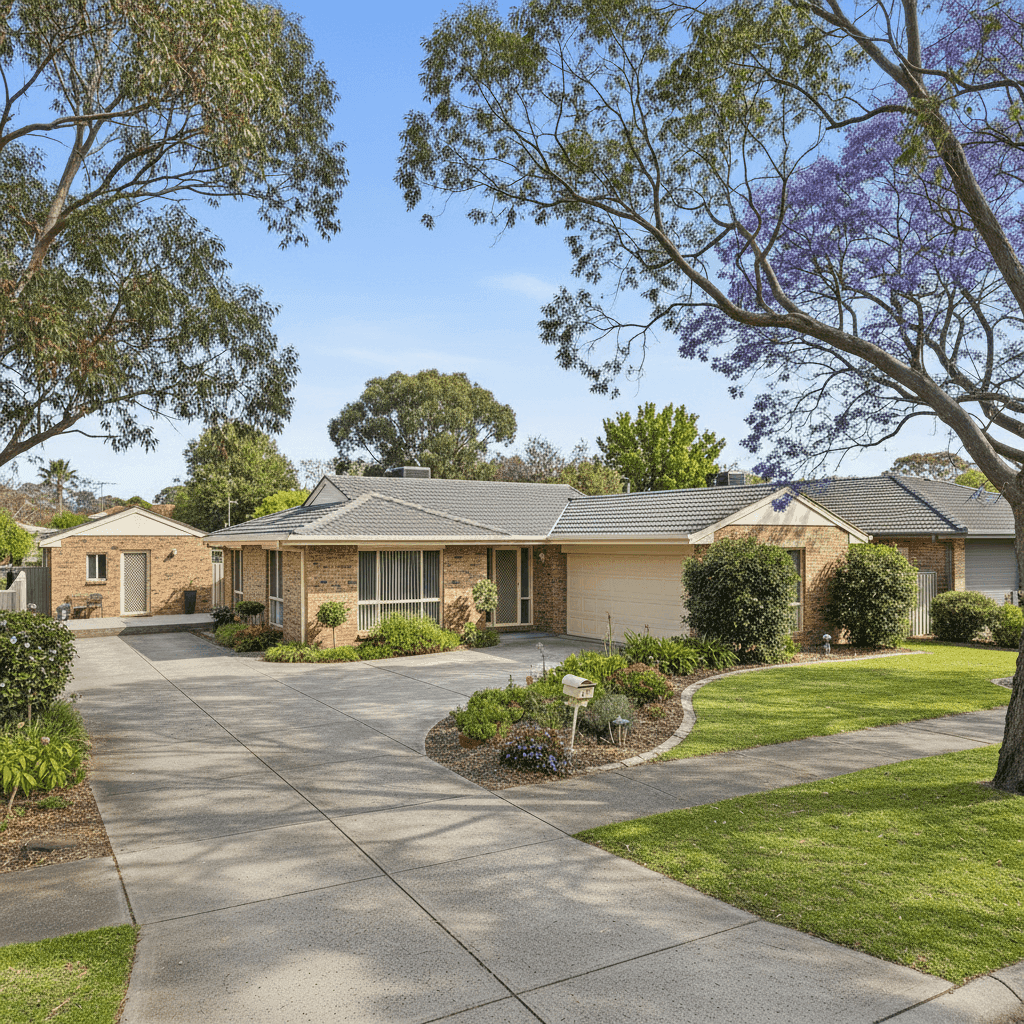
Windsor Downs is a quiet residential suburb in the Hawkesbury region of New South Wales, sitting within postcode 2756. Known for its spacious blocks and family-friendly streets, it's home to a mix of established brick homes — exactly the kind of property we're examining today. This analysis looks at a real home and contents insurance quote for a four-bedroom, three-bathroom free standing home in Windsor Downs, breaking down whether the price stacks up and what factors are driving the premium.
---
Is This Quote Fair?
The annual premium for this property came in at $6,167 per year (or $584 per month), covering a building sum insured of $1,088,000 and contents valued at $242,000 — both with a $1,000 excess.
Our pricing model rates this quote as CHEAP — Below Average, which is great news for the homeowner. To put that in perspective:
- The suburb average for Windsor Downs is a striking $30,909/yr, with a median of $23,409/yr
- The NSW state average sits at $9,528/yr, with a median of $3,770/yr
- The national average across Australia is $5,347/yr, with a median of $2,764/yr
At $6,167/yr, this quote comes in well below the suburb average and only modestly above the national average — remarkable given the relatively high building sum insured of over $1 million. For a property of this size and value, securing cover at this price point represents genuinely strong value.
It's worth noting that the suburb sample size is small (8 quotes), which can cause averages to skew. Even so, the spread — with a 25th percentile of $16,231/yr and a 75th percentile of $38,405/yr — confirms that most Windsor Downs homeowners are paying significantly more than this quote. Explore the full Windsor Downs insurance statistics to see how premiums in the area vary.
---
How Windsor Downs Compares
Understanding where your suburb sits in the broader insurance landscape is essential for knowing whether you're overpaying.
| Benchmark | Annual Premium |
|---|---|
| This Quote | $6,167 |
| Windsor Downs Suburb Average | $30,909 |
| Windsor Downs Suburb Median | $23,409 |
| NSW State Average | $9,528 |
| NSW State Median | $3,770 |
| National Average | $5,347 |
| National Median | $2,764 |
| Lithgow LGA Average | $11,842 |
The Lithgow LGA average of $11,842/yr provides useful local context — this quote comes in well below that figure too. Compared to NSW state-wide insurance data, this property is being insured at a below-average rate despite carrying a substantial building sum insured. When benchmarked against national home insurance statistics, the quote is only slightly above the national average, which is impressive for a four-bedroom home with a granny flat and ducted climate control.
The gap between the suburb average ($30,909) and this quote ($6,167) is extraordinary — a difference of over $24,000 per year. This highlights just how widely premiums can vary, even within the same postcode, depending on the insurer, the property's risk profile, and the level of cover selected.
---
Property Features That Affect Your Premium
Several characteristics of this property influence how insurers assess risk and calculate premiums.
Brick Veneer Walls & Concrete Roof
This home features brick veneer external walls and a concrete tile roof — both of which are viewed favourably by insurers. Brick veneer offers solid fire resistance and structural durability, while concrete roofing is long-lasting and less susceptible to storm damage than some alternatives. Together, these materials typically attract lower premiums compared to timber-framed or Colorbond-roofed homes.
Slab Foundation & Tiled Flooring
A concrete slab foundation is standard for homes of this era in NSW and presents minimal subsidence risk in most conditions. Tiled flooring throughout is also a practical choice — it's durable, resistant to water damage, and straightforward to replace if needed, all of which can work in your favour at claim time.
Granny Flat
The presence of a granny flat is a notable factor. Additional structures on a property increase the overall replacement cost and can add complexity to a claim. It's critical to ensure the granny flat is explicitly included in your building sum insured and that the $1,088,000 figure adequately covers the cost of rebuilding both the main dwelling and the secondary structure.
Ducted Climate Control
Ducted air conditioning systems are expensive to install and replace, and are typically included in the building sum insured rather than contents. This system likely contributes to the higher-than-average building sum insured figure, and it's worth confirming with your insurer that it's covered under the building component of your policy.
Construction Year (1999)
A home built in 1999 is relatively modern by Australian standards, meaning it was constructed under more recent building codes with improved structural standards. This generally reduces risk in the eyes of insurers compared to older homes that may have outdated wiring, plumbing, or roofing.
No Pool, No Solar Panels, Not in a Cyclone Zone
The absence of a pool and solar panels simplifies the risk profile and removes two common sources of claims and liability. Being outside a cyclone risk area is also a meaningful factor — cyclone-prone regions in Queensland and WA can see premiums two to three times higher than comparable properties in low-risk zones.
---
Tips for Homeowners in Windsor Downs
Whether you're reviewing your current policy or shopping for the first time, here are some practical steps to make sure you're getting the best deal.
- Check your building sum insured annually. Construction costs in NSW have risen sharply in recent years. With a granny flat on the property, it's especially important to reassess your $1,088,000 sum insured each year to ensure it reflects current rebuild costs — not what it cost five years ago.
- Bundle building and contents cover. This policy already combines home and contents insurance, which is smart. Many insurers offer discounts for bundling, and managing a single policy is far less administrative hassle. Just make sure the $242,000 contents value is accurate — underinsurance is one of the most common issues at claim time.
- Review your excess strategy. Both building and contents excesses are set at $1,000. Opting for a higher excess (say, $2,000) can meaningfully reduce your annual premium. If you have a solid emergency fund and rarely make small claims, this trade-off often makes financial sense.
- Compare quotes before renewal. The suburb data shows enormous variation in what Windsor Downs homeowners are paying. Don't assume your current insurer is still competitive at renewal — the market changes, and loyalty doesn't always pay. Even a 30-minute comparison exercise could save you thousands.
---
Compare Your Home Insurance Today
Whether you're a long-time Windsor Downs resident or new to the area, it pays to know what you should be paying. CoverClub makes it easy to benchmark your premium against real data from your suburb, your state, and across Australia. Get a home insurance quote now and see how your property stacks up — you might be surprised how much you could save.