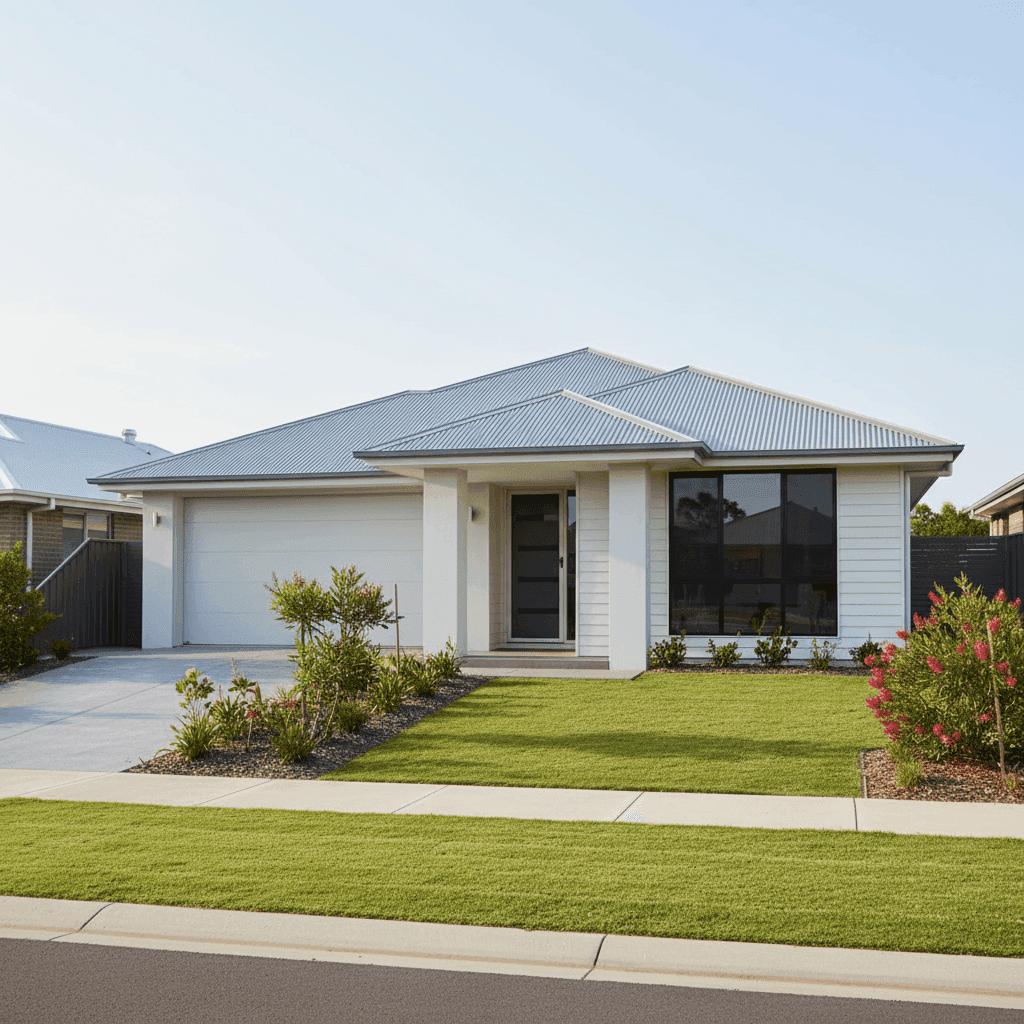
If you own a free standing home in Winfield, QLD 4670, you already know that protecting your property is a priority — but are you paying a fair price for that protection? This analysis breaks down a real home and contents insurance quote for a three-bedroom, two-bathroom property in Winfield, comparing it against Queensland averages and national benchmarks to help you understand what's driving the cost and what you can do about it.
---
Is This Quote Fair?
The short answer: this quote is expensive — well above average.
The quote in question comes in at $35,914 per year (or $3,442/month) for combined home and contents cover, with a building sum insured of $614,000 and contents valued at $50,000. Both the building and contents excess sit at $1,000.
To put that in perspective:
- The QLD state average annual premium is $9,129, and the median is $3,903
- The national average is $5,347, with a national median of $2,764
This quote is nearly four times the Queensland state average and more than six times the national median. Even accounting for regional variation and the specific characteristics of this property, a premium at this level warrants serious scrutiny. Homeowners in this situation should absolutely be shopping around — and comparing multiple quotes before renewing or accepting any policy.
---
How Winfield Compares
Unfortunately, suburb-level data for Winfield (4670) isn't available at this stage, so we're working with state and national figures. You can check back at the Winfield suburb stats page as more data becomes available.
What we do know is that Queensland as a whole tends to attract higher home insurance premiums than the national average. The state's exposure to severe weather events — including cyclones, flooding, and storms — pushes premiums up across the board. The QLD average of $9,129 is already 70% higher than the national average of $5,347, which tells you something about the risk environment insurers are pricing into Queensland policies.
That said, even within Queensland, $35,914 is an outlier. The state median of just $3,903 means the majority of Queensland homeowners are paying dramatically less. This quote sits in territory that typically reflects either a very high-risk location, a high replacement cost, specific property characteristics — or possibly a combination of all three.
For a broader picture of how Queensland compares to the rest of the country, visit the QLD insurance stats page or explore national home insurance data.
---
Property Features That Affect Your Premium
Several characteristics of this particular property are worth examining when it comes to understanding the premium.
Hardiplank / Hardiflex Cladding
The external walls are constructed from Hardiplank Hardiflex, a fibre cement cladding product that is generally considered durable and fire-resistant. This is typically a neutral-to-positive factor for insurers, though some may price it differently depending on their underwriting guidelines compared to traditional brick construction.
Steel / Colorbond Roof
A Colorbond steel roof is widely regarded as one of the more resilient roofing options available in Australia. It performs well in high winds and is resistant to corrosion, which is particularly relevant in coastal and semi-coastal Queensland environments. This should generally be a favourable factor for insurers.
Slab Foundation
The property sits on a concrete slab, which is a common and well-regarded foundation type in Queensland. It reduces the risk of subfloor issues and is generally viewed positively by underwriters.
Building Size and Sum Insured
At 169 square metres with a building sum insured of $614,000, the per-square-metre replacement cost works out to approximately $3,633/sqm — which is on the higher end. If the sum insured has been set conservatively high (which is prudent to avoid underinsurance), this will directly influence the premium. It's worth reviewing whether the sum insured reflects a current, accurate estimate of rebuild costs.
Ducted Climate Control
The presence of ducted climate control adds to the overall value of the home's fixtures and fittings, which can slightly increase the insured value and therefore the premium. It's a relatively minor factor but worth noting.
Standard Fittings Quality
With standard fittings throughout, there's no premium loading expected for high-end finishes — which is a positive. Luxury fittings can significantly increase rebuild estimates and, by extension, premiums.
---
Tips for Homeowners in Winfield
If you're facing a premium at this level, here are four practical steps worth taking before you sign anything.
1. Get Multiple Quotes — Seriously
A premium this far above the state average is a strong signal that you should be comparing policies. Different insurers use different risk models, and the variation between quotes for the same property can be substantial. Use a comparison platform like CoverClub to see what multiple insurers would charge for your specific property.
2. Review Your Sum Insured
Make sure your building sum insured reflects a realistic rebuild cost — not the market value of the property. Overcovering your home means you're paying premiums on value you'd never actually claim. A quantity surveyor or online rebuild calculator can help you arrive at a more accurate figure.
3. Consider Your Excess
Opting for a higher excess (say, $2,000 or $2,500 instead of $1,000) can meaningfully reduce your annual premium. If you have the financial buffer to cover a larger out-of-pocket cost in the event of a claim, this can be a smart trade-off — particularly for a property with a premium this high.
4. Ask About Discounts and Bundling
Some insurers offer discounts for paying annually rather than monthly, for having security features installed, or for bundling home and contents cover. It's also worth asking whether loyalty discounts apply — though in many cases, new customers are offered better rates than long-standing ones, which is another reason to shop around regularly.
---
Compare Your Options with CoverClub
A premium of $35,914 per year is significant by any measure, and no homeowner should simply accept the first quote they receive. At CoverClub, we make it easy to compare home and contents insurance quotes from a range of Australian insurers — so you can make an informed decision with confidence. Start comparing quotes today and find out whether you could be getting better value for your cover.