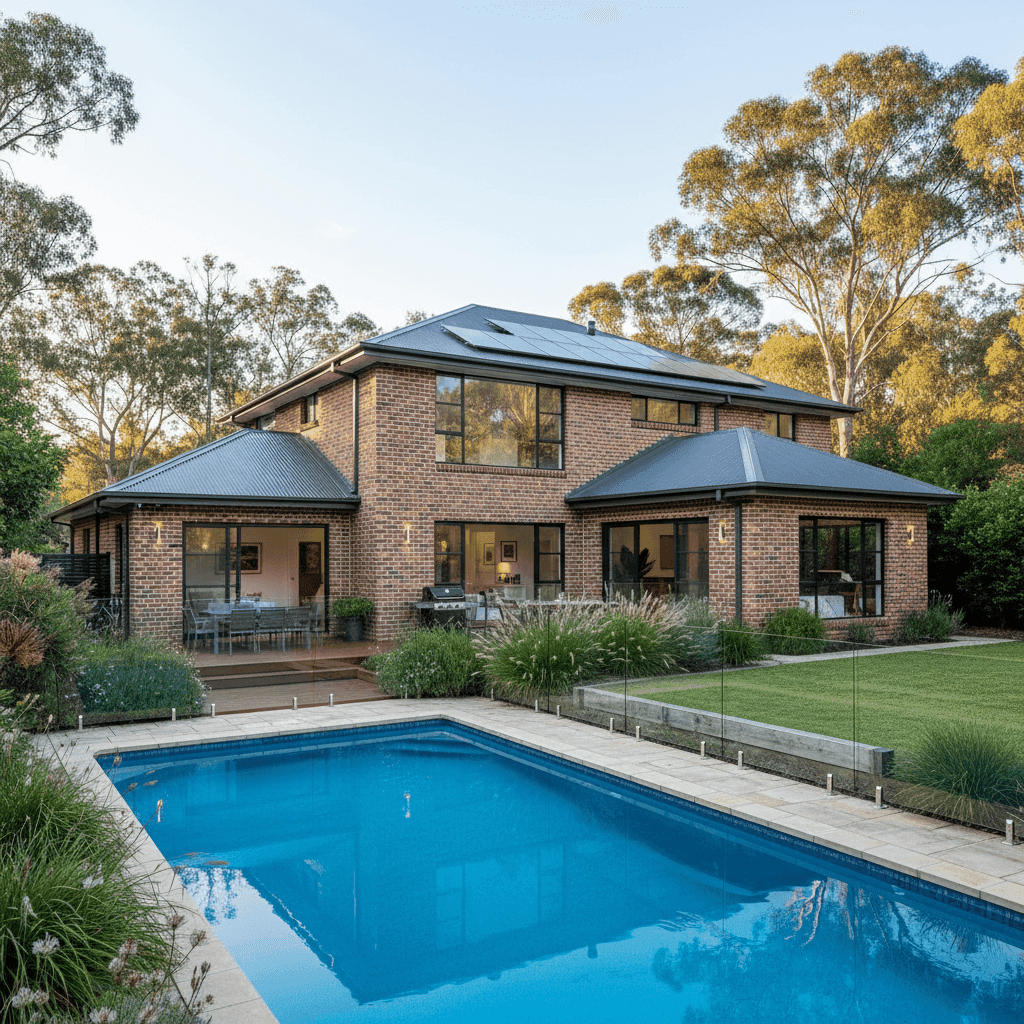
Wonga Park is a leafy, semi-rural suburb nestled in Melbourne's Yarra Valley fringe — known for its generous block sizes, established trees, and relaxed lifestyle. It's also a suburb where home insurance premiums can vary considerably, given the mix of bushfire-adjacent terrain, older housing stock, and higher-value properties. This article takes a close look at a recent home and contents insurance quote for a four-bedroom, free-standing home in Wonga Park (VIC 3115), and puts the numbers in context so you can make a more informed decision about your own cover.
---
Is This Quote Fair?
The quote in question sits at $3,096 per year (or $290/month) for a home and contents policy covering a building sum insured of $929,000 and contents valued at $116,000. Both the building and contents excess are set at $1,000.
Our price rating for this quote is FAIR — Around Average.
That assessment is backed up by the data. Based on 42 quotes collected for properties in the Wonga Park area, the suburb average premium is $4,049/yr and the median is $3,894/yr. At $3,096, this quote sits comfortably below both — landing just above the 25th percentile of $2,994/yr. In plain terms: roughly three-quarters of comparable quotes in the suburb came in higher than this one.
That's a meaningful result. It suggests the policyholder is not overpaying relative to their neighbours, though there is still room to explore whether an even more competitive rate is available elsewhere.
---
How Wonga Park Compares
To fully appreciate where this quote lands, it helps to zoom out and look at the broader picture. Here's how Wonga Park stacks up against Victorian and national benchmarks:
| Benchmark | Average Premium | Median Premium |
|---|---|---|
| Wonga Park (3115) | $4,049/yr | $3,894/yr |
| Victoria (VIC) | $3,000/yr | $2,718/yr |
| Australia (National) | $5,347/yr | $2,764/yr |
A few things stand out here. First, Wonga Park's average premium of $4,049 is notably higher than the Victorian state average of $3,000/yr — a gap of over $1,000 annually. This reflects the elevated risk profile of the area, which includes proximity to bushland and the associated fire risk that insurers price carefully.
Second, the national average of $5,347/yr is significantly inflated by high-premium regions — particularly in Queensland and Western Australia, where cyclone and flood risk drive costs up dramatically. The national median of $2,764 is actually lower than Wonga Park's median, which again underscores that this suburb carries above-average risk by Australian standards.
It's also worth noting that the LGA average for Maroondah sits at just $2,133/yr — considerably lower than Wonga Park's figures. This suggests that even within the same local government area, location-specific factors (such as bushfire zones and vegetation density) can create meaningful premium differences between suburbs.
You can explore Wonga Park-specific insurance statistics in more detail on CoverClub's suburb stats page.
---
Property Features That Affect Your Premium
Several characteristics of this property are worth unpacking, as they directly influence how insurers assess and price the risk.
Brick veneer construction with a Colorbond roof is generally viewed favourably by insurers. Brick veneer offers solid fire resistance and structural durability, while steel/Colorbond roofing is lightweight, long-lasting, and performs well in both high-wind and ember-attack scenarios — a relevant consideration for a suburb like Wonga Park. These features can help moderate premiums compared to, say, weatherboard homes with tiled roofs.
Slab foundation is a common and generally low-risk foundation type in Victoria, with fewer concerns around subsidence or movement compared to pier-and-beam structures in some older homes.
Timber and laminate flooring is worth noting from a contents and building perspective. While aesthetically popular, timber floors can be susceptible to water damage, which may be factored into how contents and building claims are assessed.
The swimming pool adds liability and replacement cost considerations to the policy. Pools are a relatively common feature in Wonga Park's larger properties, but they do add to the overall insured value and can influence premium calculations.
Solar panels are an increasingly common inclusion in Victorian homes, and it's important to confirm with your insurer that they are explicitly covered under your building policy — both for damage to the panels themselves and any resulting damage to the roof structure.
Ducted climate control is another high-value fixed asset that sits within the building sum insured. Given the 1988 construction year, it's worth ensuring the system's replacement value is accurately reflected in your total building sum insured to avoid underinsurance.
The property's 214 sqm building size, combined with its 4-bedroom, 3-bathroom configuration and standard fittings, aligns with a building sum insured of $929,000 — which appears reasonable for the area, though homeowners should periodically review this figure against current construction costs, which have risen sharply in recent years.
---
Tips for Homeowners in Wonga Park
1. Review your bushfire risk rating and BAL level Wonga Park sits in an area with elevated bushfire exposure. Confirm your property's Bushfire Attack Level (BAL) rating with your local council or the VIC Planning portal. Some insurers adjust premiums or coverage conditions based on BAL ratings, and being informed means you can have a more productive conversation with your insurer.
2. Don't set and forget your building sum insured Construction costs in Victoria have increased significantly since 2020. A building sum insured that was adequate a few years ago may now leave you underinsured. Use a building cost estimator (many insurers provide one) or consult a quantity surveyor to verify your coverage level annually.
3. Bundle your building and contents cover thoughtfully This quote covers both home and contents, which is common practice. However, it's worth comparing the bundled premium against separate policies — occasionally, splitting the cover across two providers can yield savings, particularly if your contents value is relatively modest compared to the building.
4. Ask about discounts for security and fire safety features If your home has a monitored alarm system, deadbolts, or ember guards installed, mention these to your insurer. Some providers offer premium discounts for properties with active security or bushfire mitigation measures in place — features that are particularly relevant in semi-rural areas like Wonga Park.
---
Compare Your Options with CoverClub
Whether you're reviewing an existing policy or shopping for new cover, it pays to compare. CoverClub makes it easy to see how your premium stacks up against real quotes from your suburb and beyond. Get a home insurance quote today and find out if you're getting the best deal for your home in Wonga Park.