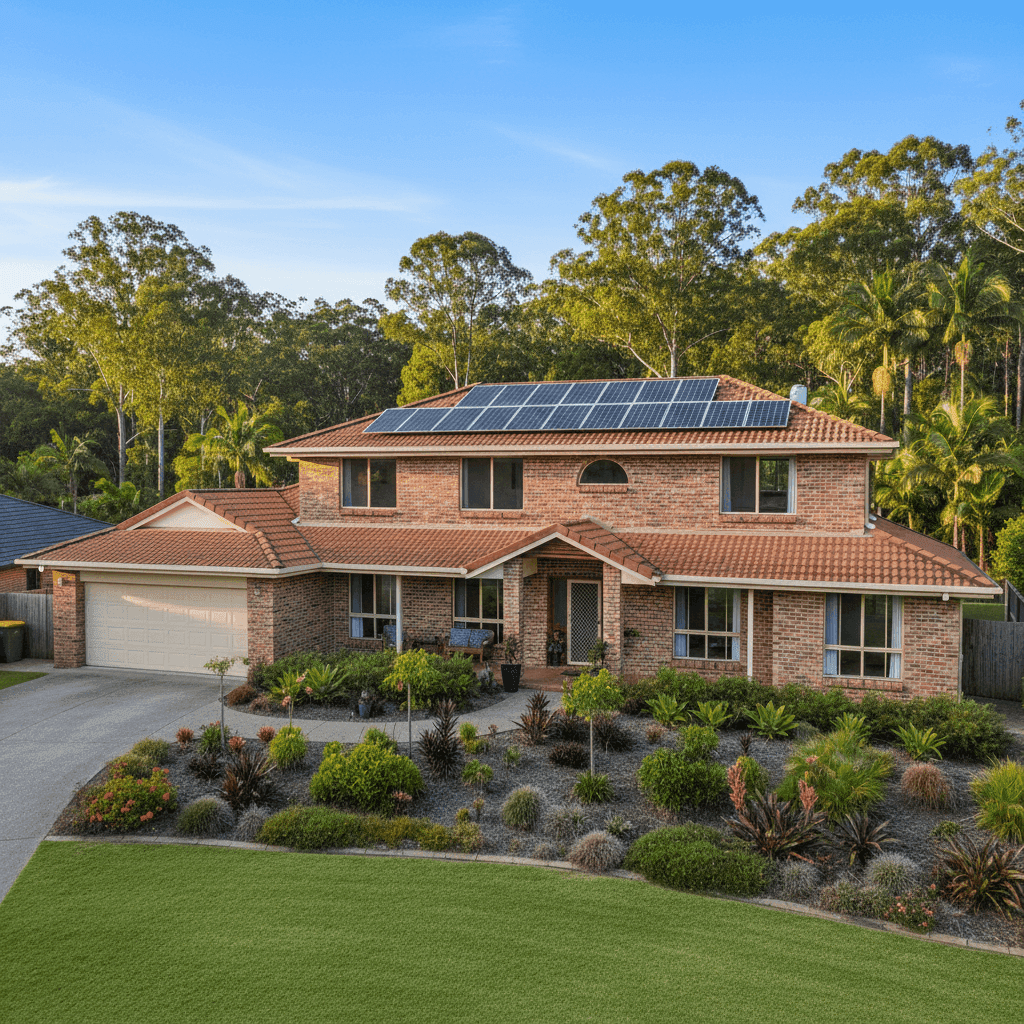
Nestled in the scenic hinterland south of Brisbane, Wonglepong is a quiet semi-rural suburb in the Scenic Rim region of Queensland. It's the kind of place where large family homes sit on generous blocks, surrounded by native bushland and rolling hills. For owners of a free standing home in this postcode, understanding what you should be paying for building insurance — and why — can make a real difference to your household budget.
This article breaks down a recent building-only insurance quote for a five-bedroom, two-bathroom brick veneer home in Wonglepong (QLD 4275), and puts the numbers into context against local, state, and national benchmarks.
---
Is This Quote Fair?
The annual premium for this property came in at $1,685 per year (or roughly $165 per month), covering the building only with a sum insured of $617,000 and a building excess of $5,000. CoverClub's pricing engine rates this quote as CHEAP — below average for the area.
That's a strong result. With a $5,000 excess, the insurer is taking on less short-term risk, which is one reason the premium is lower. But even accounting for the higher excess, this quote sits well below what most homeowners in the suburb are paying. If you're currently paying more than $2,000 a year for a comparable property in Wonglepong, it may be worth shopping around.
---
How Wonglepong Compares
To understand just how competitive this quote is, it helps to look at the broader data. According to CoverClub's Wonglepong suburb stats:
| Benchmark | Premium |
|---|---|
| This quote | $1,685/yr |
| Suburb average | $4,268/yr |
| Suburb median | $4,384/yr |
| Suburb 25th percentile | $3,758/yr |
| Suburb 75th percentile | $4,872/yr |
This quote is significantly below even the cheapest quarter of quotes seen in the suburb — sitting under the 25th percentile of $3,758 by more than $2,000. That's a substantial saving.
Zooming out to the state level, the picture becomes even more striking. Queensland's average home insurance premium sits at $9,129 per year, though the median is considerably lower at $3,903 — a gap that reflects the outsized influence of high-risk cyclone and flood zones in North Queensland dragging the average upward. The Scenic Rim LGA average of $8,744 per year is similarly elevated, likely driven by flood and bushfire exposure across the broader region.
At a national level, Australians pay an average of $5,347 per year for home insurance, with a median of $2,764. This quote falls below the national median too — a genuine win for the homeowner.
---
Property Features That Affect Your Premium
Several characteristics of this property work in the homeowner's favour when it comes to pricing:
Brick Veneer Walls & Tiled Roof
Brick veneer is one of the more insurer-friendly external wall materials. It offers solid fire resistance and structural durability compared to timber weatherboard or lightweight cladding. Combined with a tiled roof — which performs well in moderate weather and is straightforward to repair — this combination typically attracts lower premiums than, say, a steel-clad home with a corrugated iron roof.
Concrete Slab Foundation
A slab foundation is generally considered low-risk by insurers. It's resistant to subsidence and pest damage, and doesn't carry the moisture risks associated with raised timber stumps. For a property on the edge of the Scenic Rim, this is a sensible structural choice.
Construction Year: 2002
Homes built in the early 2000s benefit from modern building codes without the unknowns that can come with very new construction. By 2002, Queensland had introduced improved cyclone and storm-resistance standards following the lessons of the 1990s. This vintage typically sits in a sweet spot for insurers.
Solar Panels
The property has solar panels installed, which can be a double-edged sword for insurance. Some insurers include solar panels under the building policy automatically, while others treat them as an optional extra. It's worth confirming with your insurer that your panels — including inverters and mounting hardware — are explicitly covered under your building sum insured of $617,000.
Ducted Climate Control
Ducted air conditioning is a significant fixed asset. Like solar panels, it should be accounted for within the building sum insured. Given the warm, humid summers in the Scenic Rim, this system would be costly to replace, so ensuring adequate coverage is important.
No Pool, Standard Fittings
The absence of a pool removes one common source of liability and maintenance claims. Standard fittings keep the replacement cost estimate more predictable, which can help keep premiums measured.
---
Tips for Homeowners in Wonglepong
1. Review Your Sum Insured Annually
Construction costs in South East Queensland have risen sharply in recent years. A sum insured of $617,000 for a 214 sqm brick veneer home may be appropriate today, but it's worth recalculating each year using a building cost estimator to make sure you're not underinsured. Rebuilding costs — including demolition, professional fees, and materials — can exceed expectations quickly.
2. Understand What Your Excess Means in Practice
A $5,000 building excess is on the higher end. This means you'd pay the first $5,000 of any claim out of pocket. For minor storm damage or a small leak, you may find it's not worth claiming at all. Consider setting aside a small emergency fund to cover this gap, or ask your insurer what a lower excess would cost in premium terms.
3. Check Your Bushfire and Flood Risk Separately
Wonglepong sits in the Scenic Rim, an area with genuine bushfire and localised flood risk. Check whether your policy explicitly covers both perils — some standard policies exclude flood or apply sub-limits. The Queensland state insurance data shows premiums can vary enormously depending on how individual insurers assess local hazard exposure.
4. Confirm Solar Panel and Ducted System Coverage
As mentioned above, contact your insurer directly to confirm that your solar panels and ducted climate control system are included in your building cover. Ask for written confirmation and check the policy schedule carefully. These are high-value assets that are easy to overlook at renewal time.
---
Compare Your Options with CoverClub
Whether you're renewing your policy or shopping for the first time, it pays to compare. The quote analysed here came in well below suburb and state averages — proof that significant savings are available to homeowners who don't simply auto-renew. Get a home insurance quote through CoverClub and see how your property stacks up against the market in real time.