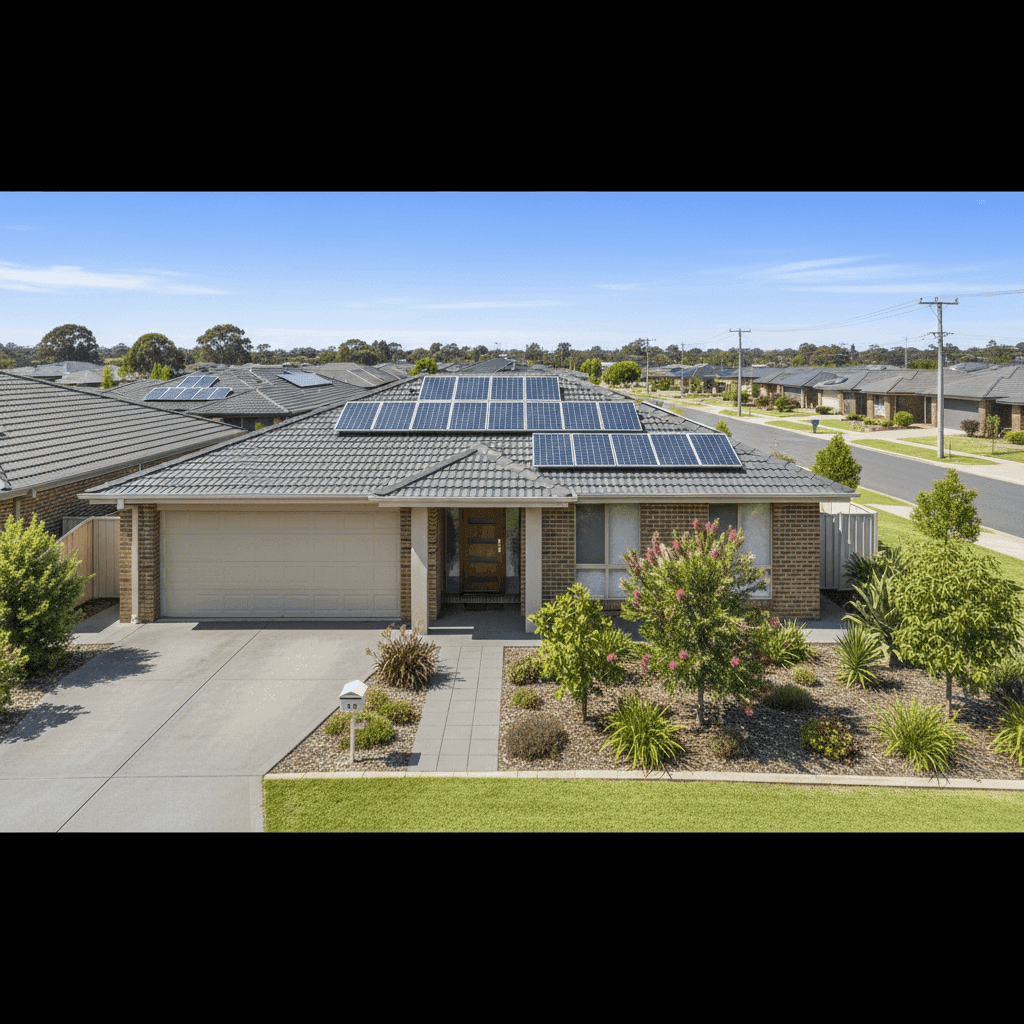
Woodberry is a quiet residential suburb in the Hunter Valley region of New South Wales, sitting within the Cessnock Local Government Area. It's a popular spot for families drawn to its affordable housing stock, and the free standing homes here — many built in the 1990s — reflect a practical, well-established neighbourhood. If you own or are considering insuring a property in this area, understanding what a fair premium looks like is an important first step.
This article breaks down a real home and contents insurance quote for a three-bedroom, brick veneer free standing home in Woodberry, comparing it against local, state, and national benchmarks to help you make a more informed decision.
---
Is This Quote Fair?
The annual premium for this quote comes in at $2,181 per year (or $214 per month), covering a building sum insured of $708,000 and contents valued at $65,000. Our price rating for this quote is CHEAP — below average — which is genuinely good news for the homeowner.
To put it in perspective:
- The NSW state average premium is $3,801/yr, and the median sits at $3,410/yr
- The national average is $2,965/yr, with a national median of $2,716/yr
- The Cessnock LGA average is $2,585/yr
At $2,181/yr, this quote sits comfortably below every one of those benchmarks — roughly $404 less than the LGA average, $784 less than the national average, and an impressive $1,620 below the NSW state average. That's a meaningful saving, particularly given the comprehensive nature of the cover (home and contents combined).
For homeowners in Woodberry, this is a strong result. That said, it's always worth shopping around — even a "cheap" quote can be beaten, and the excess structures (building: $3,000, contents: $1,000) are worth factoring into your overall value assessment.
---
How Woodberry Compares
While no suburb-level data is currently available specifically for Woodberry, we can draw useful insights from the broader regional and state picture. You can explore Woodberry's insurance stats on CoverClub as more data becomes available.
Compared to the rest of New South Wales — where premiums are among the highest in the country — Woodberry appears to be a relatively affordable area to insure. NSW as a whole carries elevated average premiums, largely driven by flood, storm, and bushfire risks concentrated in various parts of the state. The Cessnock LGA average of $2,585/yr is already well below the NSW state average, suggesting the broader Hunter region benefits from a more moderate risk profile compared to coastal or flood-prone parts of the state.
When stacked against national benchmarks, this quote performs even more favourably. Nationally, premiums have been climbing steadily in recent years due to increased extreme weather events and rising construction costs — so locking in a competitive rate is increasingly valuable.
---
Property Features That Affect Your Premium
Several characteristics of this property work in favour of a lower premium, while a couple of others are worth understanding in context.
Brick Veneer Construction Brick veneer walls are generally viewed positively by insurers. They offer solid fire resistance and durability, which can reduce the likelihood of major structural claims. This is a common construction type across NSW and tends to attract more competitive pricing than, say, weatherboard or lightweight cladding.
Tiled Roof Terracotta or concrete tiles are considered a resilient roofing material. They hold up well in hail and moderate storms, and insurers typically price tiled roofs more favourably than corrugated iron or older materials prone to corrosion.
Slab Foundation A concrete slab foundation is structurally sound and reduces the risk of subsidence-related claims, which can be a concern in areas with reactive soils. It's a reassuring feature from an insurer's perspective.
Built in 1995 At around 30 years old, the property sits in a middle ground — newer than many older homes that may have outdated wiring or plumbing, but old enough that some components (roofing, gutters, hot water systems) could be approaching end-of-life. Keeping up with maintenance is key to ensuring claims aren't rejected due to wear and tear.
Solar Panels The presence of solar panels adds some complexity to a home insurance policy. Panels are typically covered under the building sum insured, but it's worth confirming this explicitly with your insurer. Damage from storms, hail, or fire should be covered, but some policies exclude electrical or mechanical breakdown. Given the $708,000 building sum insured, there's likely adequate coverage — but always read the Product Disclosure Statement (PDS).
130 sqm Building Size At 130 sqm, this is a modest but practical home. Rebuild costs are a key driver of the building sum insured, and at $708,000, the figure appears reasonable for a brick veneer home of this size in regional NSW — though it's worth periodically reviewing this figure as construction costs continue to rise.
No Pool, No Ducted Climate Control The absence of a pool removes a common source of liability and maintenance-related claims. No ducted climate control system also means one less complex mechanical system that could generate a claim.
---
Tips for Homeowners in Woodberry
1. Review your building sum insured annually Construction costs in Australia have risen significantly over the past few years. A sum insured that was appropriate two or three years ago may now fall short of what it would actually cost to rebuild your home. Use a building cost calculator or speak with a local builder to sense-check the figure each year.
2. Clarify solar panel coverage with your insurer Ask your insurer specifically whether your solar panels are covered under the building policy, and whether that coverage extends to electrical faults or just physical damage. Some policies treat panels as a separate item. Getting this in writing means no surprises at claim time.
3. Consider your excess carefully This policy carries a $3,000 building excess and a $1,000 contents excess. A higher excess generally lowers your premium, but it also means more out-of-pocket cost when you do need to claim. Make sure these figures are comfortable relative to your financial situation — particularly the building excess, which is on the higher side.
4. Don't set and forget Even if this quote is competitively priced today, insurance markets shift. Insurers reprice risk regularly, and your circumstances may change. Set a reminder to compare quotes at renewal time each year — it only takes a few minutes and could save you hundreds of dollars.
---
Compare Home Insurance Quotes in Woodberry
Whether this is your first time insuring a home in Woodberry or you're reviewing your current policy at renewal, it pays to compare. CoverClub makes it easy to see how your quote stacks up against real data from across NSW and Australia — so you can be confident you're getting genuine value, not just a number on a page.
Get a home insurance quote today at CoverClub and find out where your premium really sits.