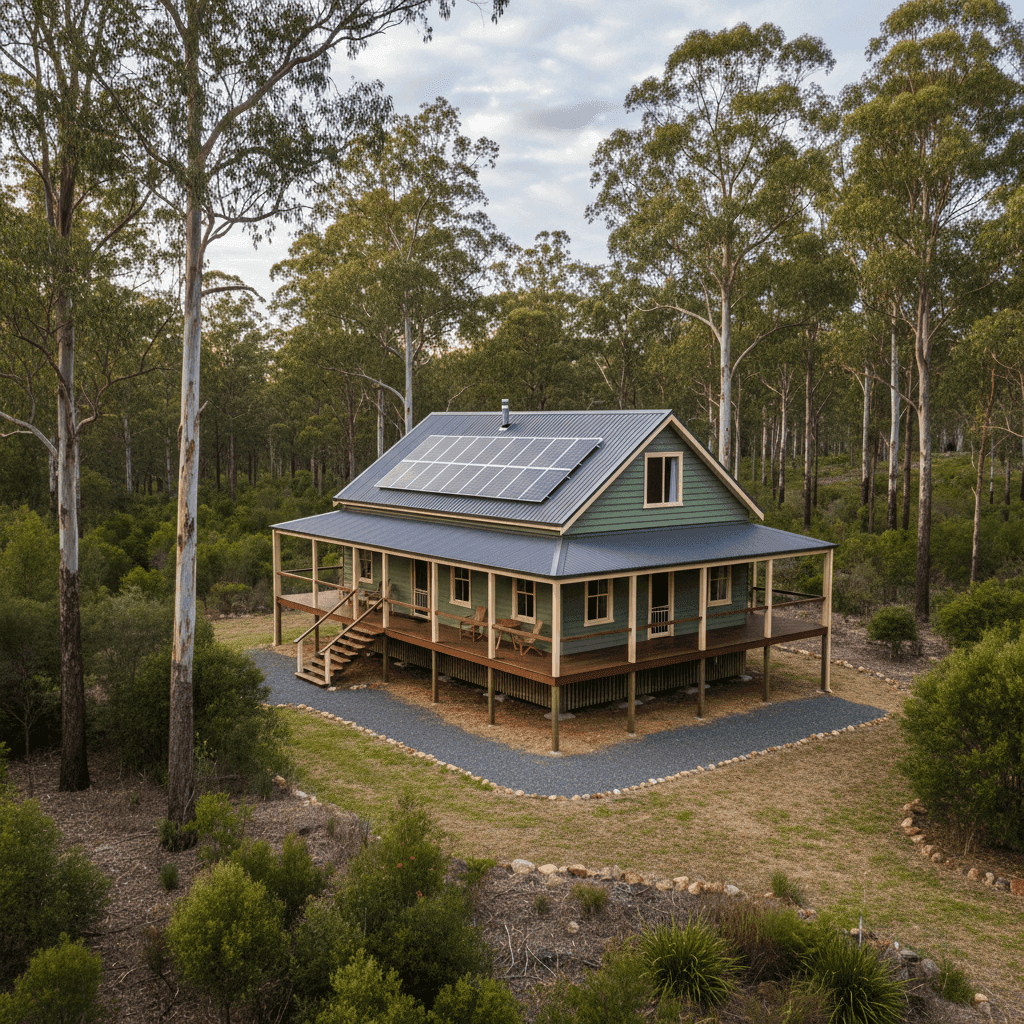
Nestled in the rugged ranges of Victoria's Central Highlands, Woods Point is a small, historically rich township that presents a unique set of considerations for home insurance. If you own a free standing home in this postcode — particularly an older weatherboard property — understanding what drives your premium is essential. This article breaks down a real home and contents insurance quote for a 3-bedroom, 1-bathroom free standing home in Woods Point VIC 3723, and puts the numbers in context so you can make an informed decision.
---
Is This Quote Fair?
The annual premium for this property came in at $3,801 per year (or $385/month), covering a building sum insured of $650,000 and contents valued at $80,000. Our price rating for this quote is Expensive (Above Average).
To put that in perspective:
- The Victorian state average for home insurance is $2,921/yr, with a median of $2,694/yr
- The national average sits at $2,965/yr, with a median of $2,716/yr
That means this quote is roughly $880 above the Victorian average and about $836 above the national average — a meaningful gap that deserves explanation. However, before drawing conclusions, it's important to consider the local context. Woods Point is a remote, bushfire-prone community in the Murrindindi LGA, and insurers price that risk accordingly.
You can explore broader Victorian pricing trends at the CoverClub VIC insurance stats page, or compare against the national home insurance benchmarks.
---
How Woods Point Compares
No suburb-level comparison data is currently available for Woods Point 3723, which itself tells a story — this is a sparsely populated area where individual property characteristics carry enormous weight in premium calculations. You can check for updated local data at the Woods Point insurance stats page as more quotes are collected.
What we do have is LGA-level data for Murrindindi, and it paints a clear picture:
| Benchmark | Annual Premium |
|---|---|
| Murrindindi LGA Average | $4,184/yr |
| VIC State Average | $2,921/yr |
| National Average | $2,965/yr |
| This Quote | $3,801/yr |
Interestingly, this quote actually comes in below the Murrindindi LGA average of $4,184/yr — suggesting that, within its local context, this premium is reasonably competitive. The LGA average being so far above both state and national figures reflects the elevated bushfire and environmental risk across the entire Murrindindi region, which includes towns like Kinglake, Marysville, and Eildon — all areas with well-documented exposure to natural hazards.
---
Property Features That Affect Your Premium
Several characteristics of this property have a direct bearing on the premium quoted. Understanding these factors can help you anticipate costs and identify potential areas for adjustment.
Age and Construction (Built 1940)
At over 80 years old, this home is considered heritage-era construction. Older homes often attract higher premiums because they may not meet current building codes, replacement costs can be harder to estimate, and materials like original timber framing can be more susceptible to damage. The weatherboard wood exterior walls are a particular consideration — timber cladding carries a higher bushfire and general fire risk rating than brick veneer or double brick.
Roof: Steel/Colorbond
On the positive side, a steel Colorbond roof is viewed favourably by many insurers. It's durable, fire-resistant compared to older iron or tile roofing, and less prone to storm damage. This may be partially offsetting what would otherwise be an even higher premium.
Foundation: Stumps
A stump foundation is common in older Victorian homes and properties on uneven terrain. While practical for this type of landscape, stumped homes can be more vulnerable to movement, moisture ingress, and pest damage over time — factors that insurers may weigh in their risk assessment.
Flooring: Timber/Laminate
Timber and laminate flooring can be costly to replace, particularly in a remote location where trades and materials come at a premium. This contributes to the overall replacement cost estimate built into the sum insured.
Solar Panels
The property includes solar panels, which add to the replacement value of the home. Insurers typically factor solar systems into the building sum insured, and some may apply specific conditions around their coverage — worth checking in your Product Disclosure Statement (PDS).
Location and Bushfire Risk
Woods Point sits within a region with significant bushfire exposure. The Black Saturday fires of 2009 devastated communities across Murrindindi, and the area remains one of the higher-risk zones in Victoria. Insurers apply substantial loadings for properties in these areas, and this is likely the single biggest driver of the elevated premium.
Sum Insured: $650,000
The building sum insured of $650,000 for a 130 sqm home may appear high, but in a remote location, rebuilding costs per square metre are considerably higher than in metropolitan areas. Trades, materials, and logistics all cost more when access is limited — so this figure may well be justified.
---
Tips for Homeowners in Woods Point
1. Review Your Bushfire Preparedness
Some insurers offer discounts or more competitive pricing for homes that meet certain bushfire mitigation standards. Installing ember guards, clearing gutters, maintaining a defendable space around the property, and using fire-resistant landscaping can all strengthen your position — both for safety and potentially for your premium.
2. Check Your Sum Insured Annually
Building costs fluctuate, and in remote areas they can move significantly year to year. Use a building cost calculator (many insurers provide these) to make sure your $650,000 sum insured remains accurate. Being underinsured is a serious risk; being over-insured means you're paying more than necessary.
3. Consider Your Excess Strategy
This quote carries a $3,000 building excess — higher than typical. While a higher excess generally reduces your premium, make sure you're comfortable meeting that cost in the event of a claim. Review whether a lower excess option is available and weigh the cost difference against your financial buffer.
4. Compare Multiple Quotes
Given that this premium is above the state average (though below the local LGA average), it's worth shopping around. Insurers assess bushfire and remote-location risk differently, and the spread in pricing can be substantial. Use CoverClub to compare quotes side by side to ensure you're getting the most competitive rate for your level of cover.
---
Ready to Compare?
Whether you're reviewing your current policy or insuring a property for the first time, comparing quotes is the smartest first step. Head to CoverClub to enter your address and see how different insurers price your home — it takes just a few minutes and could save you hundreds of dollars a year.