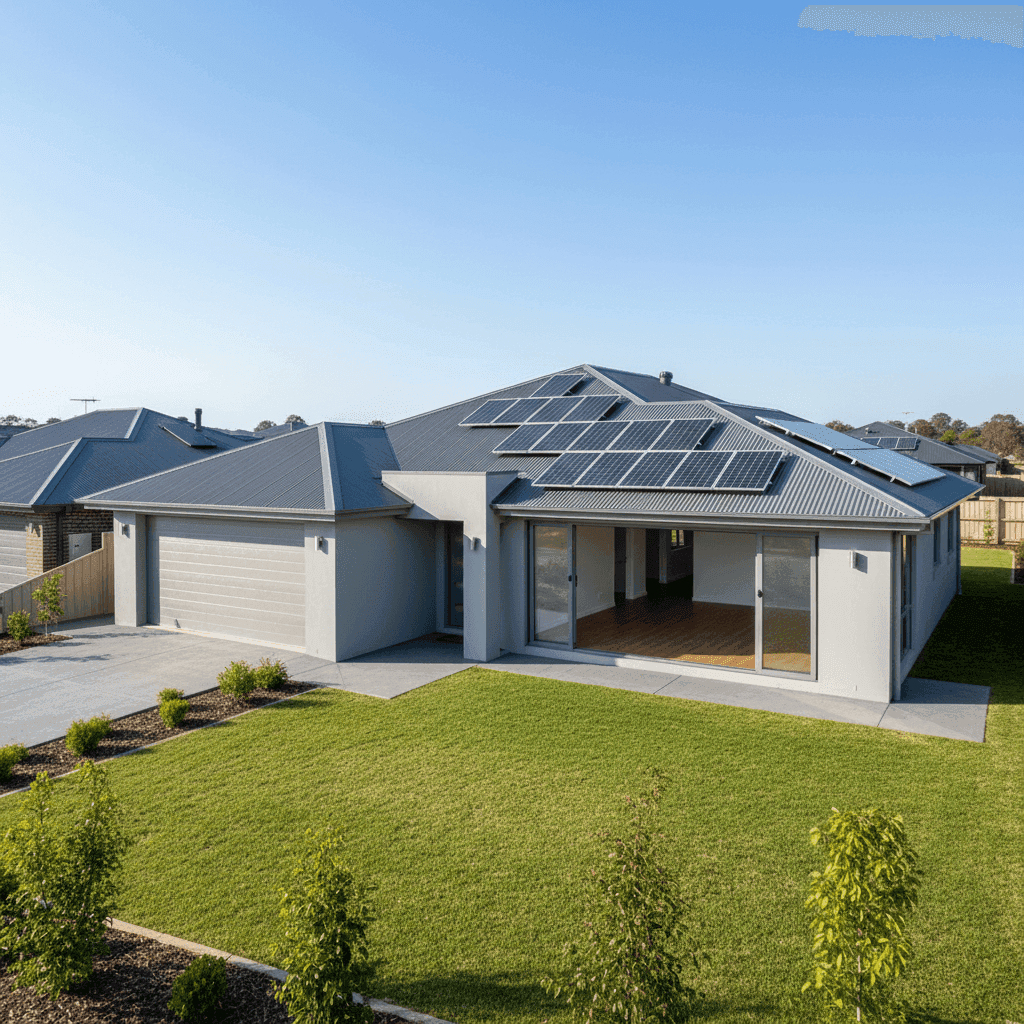
If you own a free standing home in Woodstock, NSW 2793, you're likely wondering whether your home insurance premium is reasonable — or whether you're paying more than you should. This article breaks down a real home and contents insurance quote for a five-bedroom property in Woodstock, comparing it against local, state, and national benchmarks to help you make a more informed decision.
---
Is This Quote Fair?
The quote in question comes in at $2,464 per year (or $242 per month) for combined home and contents cover, with a building sum insured of $980,000 and contents valued at $100,000. The building excess is set at $3,000, and the contents excess at $1,000.
Based on our pricing data, this quote is rated Expensive — above average for the Woodstock area.
To put that in perspective: the average annual premium for comparable properties in the Woodstock suburb sits at just $1,452, and the median is even lower at $1,208. That means this quote is roughly 70% above the suburb average and more than double the suburb median. Even at the 75th percentile — meaning three-quarters of quotes in the area come in cheaper — the benchmark is $1,852, still well below the $2,464 being quoted here.
That said, context matters. A 277 sqm home with a $980,000 building sum insured is on the larger end of the scale, and the sum insured alone will have a significant bearing on the premium. Still, it's worth investigating whether there's room to get a better deal.
---
How Woodstock Compares
Zooming out to a broader view paints an interesting picture. According to CoverClub's Woodstock suburb stats, the local average of $1,452 is notably lower than both the state and national figures.
Across New South Wales, the average annual home insurance premium is $3,801, with a state median of $3,410. That makes Woodstock a relatively affordable area to insure by NSW standards — likely reflecting lower risk profiles associated with regional inland properties compared to coastal or flood-prone areas.
At the national level, the average sits at $2,965 and the median at $2,716. Interestingly, the quote being analysed here ($2,464) actually falls below both the national average and median — which suggests it may be quite competitive when viewed through a broader lens, even if it appears expensive within the immediate suburb.
Within the Cowra LGA, the average premium is $1,939 per year, which is higher than the Woodstock suburb average but still below the quoted figure. This regional context is useful — it suggests that while Woodstock itself tends to attract lower premiums, the wider Cowra area does see some variation.
| Benchmark | Annual Premium |
|---|---|
| This Quote | $2,464 |
| Woodstock Suburb Average | $1,452 |
| Woodstock Suburb Median | $1,208 |
| Cowra LGA Average | $1,939 |
| NSW Average | $3,801 |
| National Average | $2,965 |
> Note: The suburb sample size is 12 quotes, which is a relatively small dataset. Results should be interpreted with some caution, as a few high or low outliers can shift the averages meaningfully.
---
Property Features That Affect Your Premium
Several characteristics of this property are worth examining in the context of insurance pricing.
Building size and sum insured: At 277 sqm and a building sum insured of $980,000, this is a substantial property. Rebuild costs are a primary driver of premiums — the higher the sum insured, the more an insurer is on the hook in the event of a total loss. Ensuring your sum insured accurately reflects current rebuild costs (not market value) is important; over-insuring can unnecessarily inflate your premium.
Hardiplank/Hardiflex external walls: Fibre cement cladding like Hardiplank is generally viewed favourably by insurers. It's non-combustible, durable, and resistant to rot and termites — all factors that can reduce risk in the eyes of underwriters compared to timber weatherboard.
Steel/Colorbond roof: Colorbond steel roofing is another positive from an insurance standpoint. It's fire-resistant, long-lasting, and performs well in severe weather. Insurers typically regard it as a lower-risk roofing material compared to tiles or older materials.
Slab foundation: A concrete slab foundation is standard for homes of this era and is generally considered stable and low-risk, particularly in areas without significant subsidence concerns.
Solar panels: The presence of solar panels adds a layer of complexity to a home insurance policy. Panels represent a meaningful asset that needs to be covered, and some insurers include them under the building sum insured while others treat them separately. It's worth confirming exactly how your policy handles solar panel damage or theft.
Construction year (2002): A home built in 2002 is relatively modern and was constructed under updated building codes. This generally works in your favour with insurers, as newer builds tend to have better structural standards and lower claims risk than older homes.
No pool, no cyclone risk: The absence of a swimming pool removes a common liability concern, and Woodstock's inland location means cyclone risk is not a relevant factor — both of which can help keep premiums lower.
---
Tips for Homeowners in Woodstock
1. Review your building sum insured carefully. With a sum insured of $980,000 on a 277 sqm home, it's worth getting an independent building replacement cost estimate to ensure you're not over-insured. Even a modest reduction in the sum insured — if justified — could bring your premium down meaningfully.
2. Clarify solar panel coverage. Ask your insurer specifically how your solar panels are covered. Are they included in the building sum insured, or do they require separate cover? Understanding this prevents nasty surprises at claim time and ensures you're not paying to double-cover them.
3. Compare multiple quotes. With only 12 quotes in the suburb sample, the local market data is limited — but it's clear there's significant variation in pricing. Using a comparison platform like CoverClub to obtain multiple quotes side-by-side is one of the most effective ways to identify whether you're getting value for money.
4. Consider your excess settings. This policy carries a $3,000 building excess and a $1,000 contents excess. Opting for a higher excess is a common strategy to reduce annual premiums — but make sure the excess is an amount you could genuinely afford to pay out of pocket in the event of a claim. Conversely, if cash flow allows, locking in a lower premium with a higher excess can make sense over the long term.
---
Ready to Find a Better Deal?
Whether this quote is the right fit depends on your specific circumstances — but it's always worth comparing. At CoverClub, we make it easy to see how your home insurance stacks up against real quotes from across Australia. Enter your address and get started today — it only takes a few minutes and could save you hundreds of dollars a year.
For more suburb-level data and insights, explore the Woodstock insurance stats page or browse NSW home insurance benchmarks to see how your area compares.