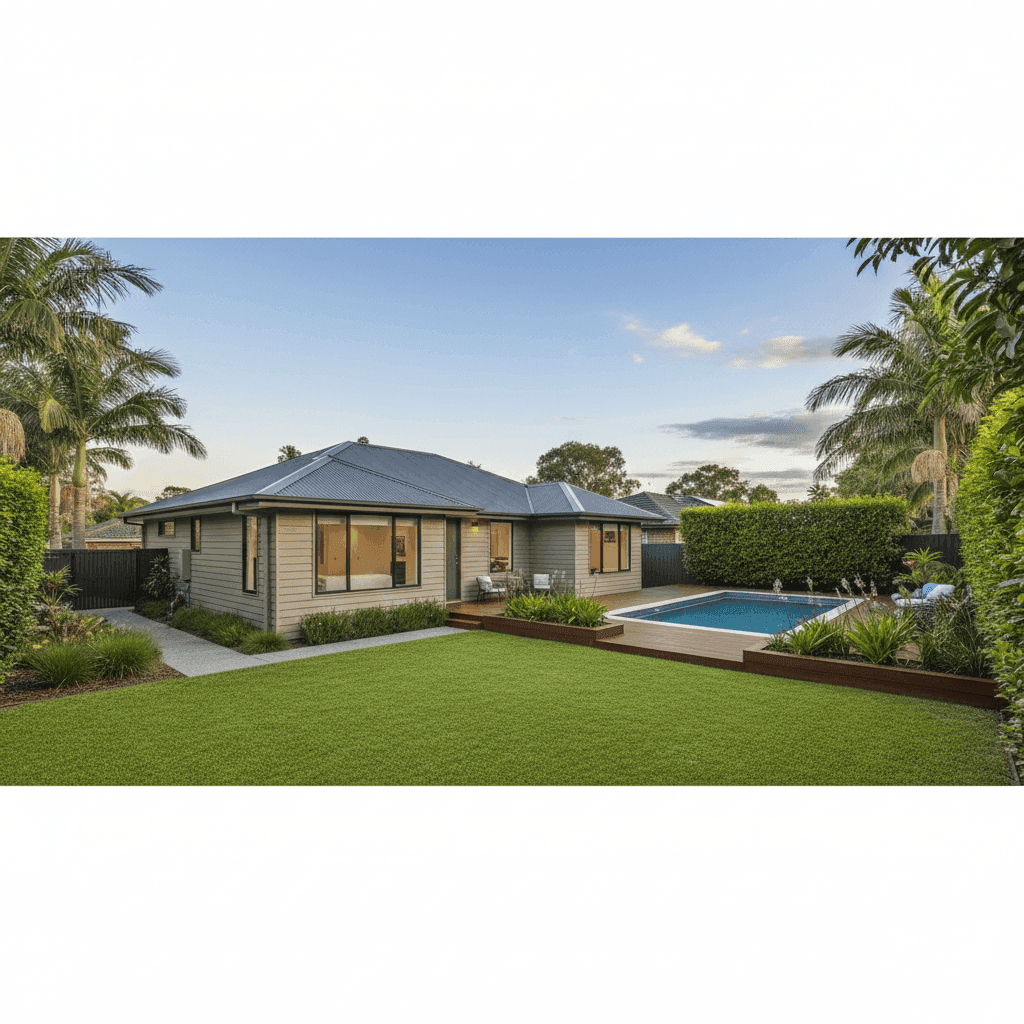
Woolooware is a quiet, leafy suburb tucked into the southern shores of Botany Bay in Sydney's Sutherland Shire. Known for its relaxed coastal lifestyle, proximity to Cronulla Beach, and a strong sense of community, it's a popular choice for families looking for space without sacrificing access to the city. For homeowners here, protecting a four-bedroom free standing home — one of the most common property types in the area — with the right level of home and contents insurance is an important financial decision. This article breaks down a recent quote for exactly that type of property and puts the numbers into context.
---
Is This Quote Fair?
The short answer: yes — and then some. This quote came in at $2,450 per year (or $240/month) for combined home and contents cover, with a building sum insured of $707,000 and contents valued at $223,000. Our pricing analysis rates this as CHEAP — Below Average, meaning it sits well beneath what most comparable properties in the suburb are paying.
To put that in perspective, the suburb average for Woolooware sits at $3,348/year, and the median is $3,156/year. This quote is approximately $900 below the suburb average — a meaningful saving that adds up significantly over time. Even compared to the cheapest quarter of quotes in the area (the 25th percentile at $2,709/year), this premium still comes in lower, placing it among the most competitive prices recorded in the postcode.
The building excess of $3,000 is on the higher side, which may partly explain the lower premium — insurers typically offer reduced premiums in exchange for a higher excess. The contents excess of $1,000 is more standard. Homeowners should weigh whether the lower annual cost justifies the larger out-of-pocket expense in the event of a claim.
---
How Woolooware Compares
Understanding where your premium sits relative to broader benchmarks helps you gauge whether you're getting genuine value. Here's how Woolooware stacks up:
| Benchmark | Annual Premium |
|---|---|
| This Quote | $2,450 |
| Woolooware Suburb Average | $3,348 |
| Woolooware Suburb Median | $3,156 |
| NSW State Average | $9,528 |
| NSW State Median | $3,770 |
| National Average | $5,347 |
| National Median | $2,764 |
| Sutherland LGA Average | $23,423 |
Note: Sample size for Woolooware suburb data is 14 quotes, so these figures should be treated as indicative rather than definitive.
A few things stand out here. The NSW state average of $9,528/year is dramatically higher than what Woolooware residents are typically paying — this is largely driven by high-risk postcodes elsewhere in the state, particularly those prone to flooding, bushfire, or cyclone activity. Woolooware, by contrast, benefits from relatively low natural hazard exposure.
The national average of $5,347/year tells a similar story — skewed upward by high-risk regions in Queensland, Northern Australia, and parts of Victoria. Woolooware's coastal-but-sheltered position keeps premiums comparatively manageable.
The Sutherland LGA average of $23,423/year looks alarming at first glance, but this figure is almost certainly influenced by a small number of very high-value or high-risk properties within the broader LGA, and shouldn't be taken as representative of Woolooware specifically. You can explore localised data further on the Woolooware suburb stats page.
---
Property Features That Affect Your Premium
Every property is different, and insurers assess a range of physical characteristics when calculating risk. Here's how the features of this particular home are likely influencing the premium:
Weatherboard timber external walls are one of the most significant risk factors in Australian home insurance. Timber is more susceptible to fire, rot, and pest damage than brick or rendered masonry, which typically results in higher premiums. However, weatherboard homes are extremely common in the Sutherland Shire, so local insurers are well-versed in pricing this risk.
Steel/Colorbond roofing is generally viewed favourably by insurers. It's durable, low-maintenance, resistant to fire and weather, and has a long lifespan. This likely helps offset some of the timber wall risk.
Stump foundations are common in older Australian homes, particularly those built in the 1960s and 70s. While they allow for good ventilation and can be easier to repair than slab foundations, they do introduce some risk around subsidence and pest access. A home built in 1970 like this one may prompt insurers to factor in the age of the structure and the potential for ageing materials or systems.
Timber and laminate flooring is a standard feature in homes of this era and doesn't significantly move the needle on premium pricing, though it does factor into contents and internal fit-out replacement costs.
Above-average fittings quality means the home has been finished or upgraded to a higher standard — think quality kitchen appliances, premium tapware, or custom joinery. This is reflected in the higher building sum insured of $707,000 and increases the cost to rebuild, which in turn influences the premium.
A swimming pool adds liability exposure and increases the overall replacement cost of the property. Most insurers will factor this into their assessment, and it's important that the pool is included in your sum insured calculations.
Ducted climate control is another above-average feature that contributes to the higher-than-typical rebuild cost. These systems are expensive to replace and should be explicitly accounted for in your building sum insured.
---
Tips for Homeowners in Woolooware
1. Review your building sum insured regularly With a 169 sqm home featuring above-average fittings, a pool, and ducted air conditioning, the cost to rebuild can change significantly year on year. Construction costs in Sydney have risen sharply in recent years — make sure your $707,000 sum insured keeps pace with current builder rates in the Sutherland Shire.
2. Understand your excess before you claim A $3,000 building excess is meaningful. Before lodging a claim for minor damage, calculate whether the repair cost genuinely exceeds the excess plus any potential premium increase at renewal. For small claims, it may be more cost-effective to self-insure.
3. Protect your weatherboard home proactively Timber-clad homes benefit enormously from regular maintenance. Keeping paintwork fresh, gutters clear, and subfloor spaces well-ventilated can reduce the likelihood of rot, pest ingress, and moisture damage — all of which can affect your ability to claim or renew at a favourable rate.
4. Compare quotes at renewal — every year Even if you're happy with your current insurer, the home insurance market is competitive and premiums can shift significantly between renewal cycles. A quote rated "cheap" today may not be the best available option next year. Use a comparison service like CoverClub to benchmark your renewal offer against the current market before you commit.
---
Ready to Compare Your Own Quote?
Whether you're a first-time buyer in Woolooware or a long-term homeowner reassessing your cover, it pays to know where your premium sits relative to the market. At CoverClub, you can instantly compare home and contents insurance quotes for your property and see how your costs stack up against your suburb, state, and national benchmarks. Get a quote today and make sure you're not paying more than you need to.