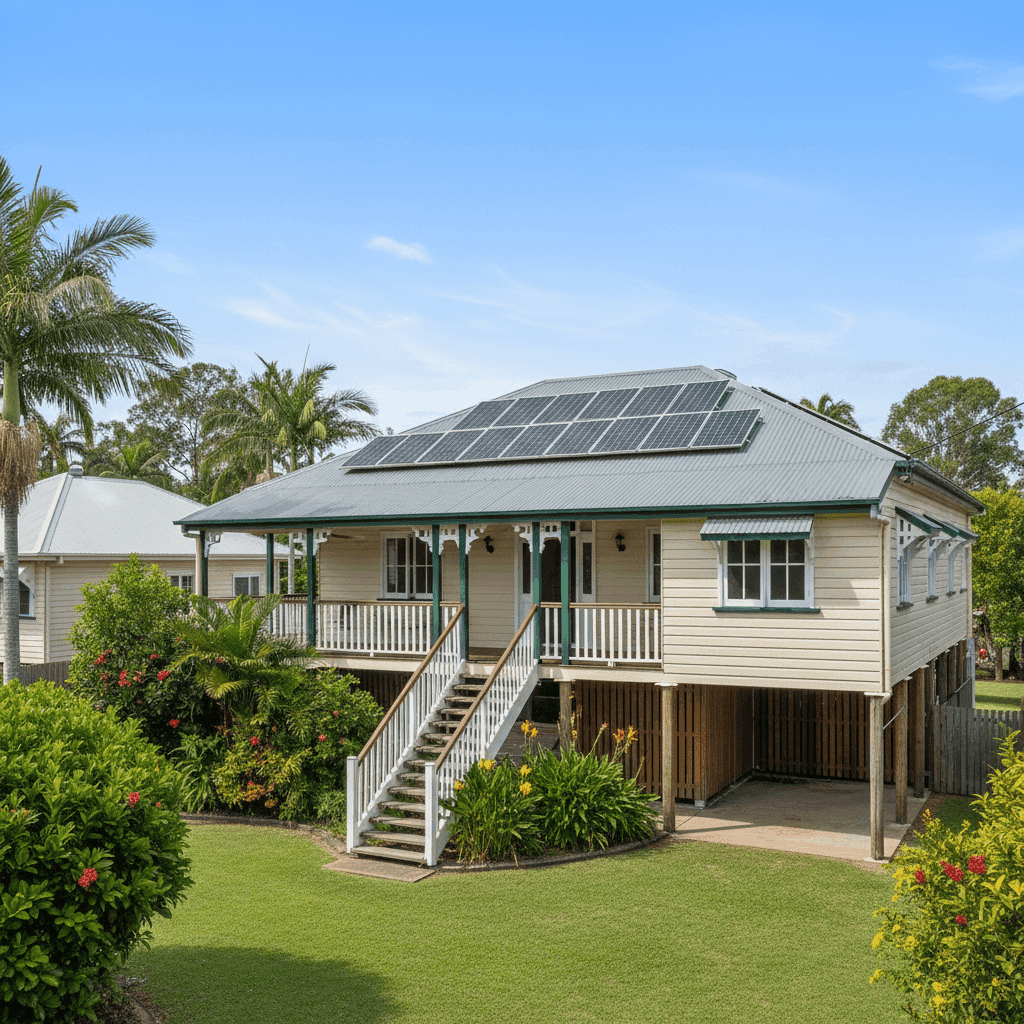
Woongoolba is a quiet semi-rural suburb nestled in the Gold Coast local government area, sitting close to the Logan River floodplain in South East Queensland. It's the kind of place where character-filled homes on generous blocks are the norm — and this 3-bedroom, 2-bathroom free standing home built in 1967 is a fine example. But with a home and contents insurance quote coming in at $13,422 per year (or $1,286 per month), many homeowners would be right to ask: is this what insurance actually costs around here, or is there room to do better?
---
Is This Quote Fair?
The short answer: this quote is rated Expensive — Above Average, and the numbers back that up.
At $13,422 annually, this premium sits well above the Queensland state average of $9,129/yr and more than double the state median of $3,903/yr. Compared to the national average of $5,347/yr and a national median of $2,764/yr, this quote is roughly 2.5 times the national average — a significant gap that deserves closer scrutiny.
That said, "expensive" doesn't automatically mean "wrong." Several property-specific factors — discussed below — can legitimately push premiums higher. The key question is whether the quote accurately reflects the risk profile of this particular property, or whether a different insurer might price the same risk more competitively.
---
How Woongoolba Compares
Without suburb-level data available for Woongoolba specifically, we can lean on broader regional benchmarks to put this quote in context. You can explore available local data at the Woongoolba insurance stats page.
| Benchmark | Annual Premium |
|---|---|
| This Quote | $13,422 |
| Gold Coast LGA Average | $8,161 |
| QLD State Average | $9,129 |
| QLD State Median | $3,903 |
| National Average | $5,347 |
| National Median | $2,764 |
Even within the Gold Coast LGA — which already commands a higher-than-national-average premium of $8,161/yr — this quote comes in roughly 65% above the local average. The Gold Coast region is well known for elevated insurance costs due to weather exposure, flood mapping, and the high density of older homes, so some premium loading is expected. But a quote this far above even the regional average suggests the property's individual risk characteristics are doing a lot of heavy lifting here.
---
Property Features That Affect Your Premium
Several features of this home are likely contributing to its elevated premium. Here's how each one factors in:
Weatherboard Timber Walls
Timber weatherboard is one of the construction types that insurers treat with caution. Compared to brick veneer or double brick, timber is considered more susceptible to fire, rot, and storm damage. Many insurers apply a loading to weatherboard homes, particularly older ones.
Age of Construction (1967)
At nearly 60 years old, this home predates many modern building codes. Older homes can carry higher risk due to ageing electrical wiring, plumbing, and structural components. Insurers may factor in the cost of bringing repairs up to current standards — known as "code upgrade" costs — which can significantly increase the sum insured and, in turn, the premium.
Elevated on Stumps
Being elevated by at least one metre on stumps is a classic feature of Queensland's traditional Queenslander-style homes. While elevation can actually reduce flood risk to the living area, the underfloor space introduces its own considerations. Stumped homes can be more costly to repair after storm or flood events, and the sub-floor area may need to be factored into the building sum insured.
Timber and Laminate Flooring
Timber flooring — especially in an elevated home — can be expensive to replace or repair after water ingress or pest damage. This is reflected in the sum insured and may influence how an insurer prices the risk.
Steel/Colorbond Roof
On the positive side, a Colorbond steel roof is generally viewed favourably by insurers. It's durable, low-maintenance, and performs well in high-wind events compared to terracotta or concrete tiles. This may provide a modest offsetting benefit to the premium.
Solar Panels
Solar panels add replacement value to the building sum insured and can introduce additional risk (fire from inverter faults, for example). Ensure the building sum insured of $691,000 adequately accounts for panel replacement costs.
Building Sum Insured: $691,000
This is a substantial sum insured for a 214 sqm home, reflecting the cost of rebuilding an older, elevated timber home to modern standards in the current construction climate. High material and labour costs in South East Queensland mean rebuild costs have risen sharply in recent years — so while $691,000 may seem high, it's worth having a quantity surveyor or online calculator verify this figure is appropriate.
---
Tips for Homeowners in Woongoolba
1. Compare quotes from multiple insurers This is the single most impactful thing you can do. Premium variation between insurers for the same property can be enormous — sometimes thousands of dollars per year. Use CoverClub to compare quotes and see what different providers are willing to offer for your specific property.
2. Review your sum insured carefully Underinsurance is a serious risk, but overinsurance costs you money every year. Consider commissioning a professional building replacement cost assessment to confirm whether $691,000 is the right figure. Many insurers also offer free online calculators as a starting point.
3. Ask about discounts for security and safety features Some insurers offer premium reductions for homes with monitored security systems, smoke alarms, or deadbolt locks. Given this is an older home, ensuring it meets current safety standards could also unlock better pricing.
4. Check your flood zone status Woongoolba's proximity to the Logan River means flood mapping is highly relevant. Confirm whether your property sits within a designated flood zone — and if so, whether your policy includes flood cover. Some insurers price flood risk very differently, so shopping around is especially important in low-lying areas of South East Queensland.
---
Ready to Find a Better Rate?
A quote of $13,422 per year is worth challenging. Whether the premium is justified by the property's risk profile or simply reflects one insurer's pricing model, there's only one way to find out — compare. At CoverClub, you can quickly see how different insurers price your home and contents, and make a more informed decision about your cover. It takes minutes and could save you hundreds — or more.