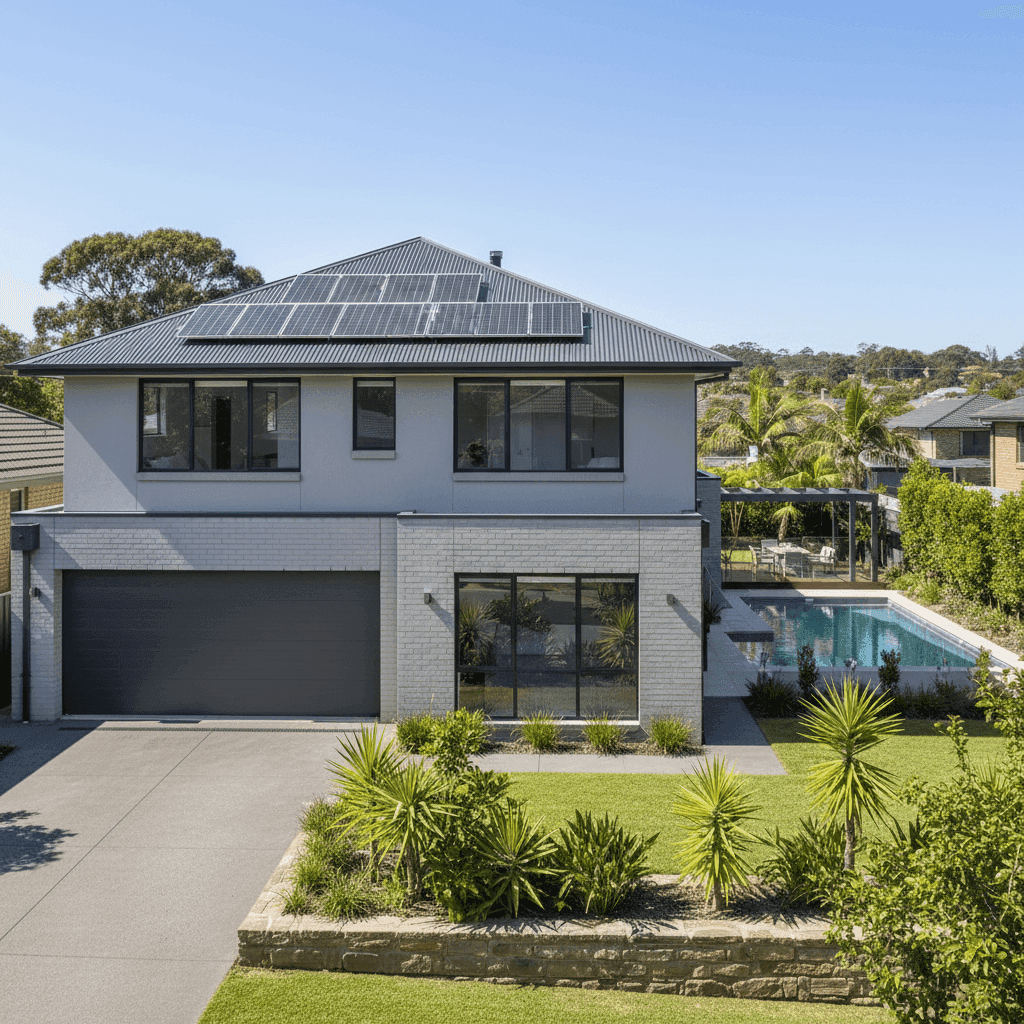
Woonona is a coastal suburb sitting between Wollongong and Sydney on the NSW Illawarra escarpment — a location that offers stunning scenery but also comes with its own set of insurance considerations. This article breaks down a real home and contents insurance quote for a four-bedroom, three-bathroom free standing home in Woonona (postcode 2517), comparing it against local, state, and national benchmarks to help you understand what's driving the cost.
---
Is This Quote Fair?
The annual premium for this property came in at $5,132 per year (or $492 per month), covering a building sum insured of $1,100,000 and $200,000 in contents. Our price rating for this quote is Expensive — Above Average.
To put that in context, the suburb average for Woonona sits at just $1,545 per year, with a median of $1,599. At more than three times the suburb average, this quote is clearly on the higher end — but it's not the full picture.
The key driver here is the sum insured. A building replacement value of $1,100,000 for a 268 sqm home built in 2019 with above-average fittings is substantial, and insurers price accordingly. When you divide the annual premium by the insured building value, the rate works out to roughly 0.47% — which is actually within a reasonable range for a modern, well-appointed home in coastal NSW.
That said, the premium still warrants scrutiny. With only 14 quotes in the suburb sample, the local data set is relatively small, so individual property characteristics carry more weight than the suburb average might suggest.
---
How Woonona Compares
Understanding where this quote sits relative to broader benchmarks is useful context:
| Benchmark | Average Premium | Median Premium |
|---|---|---|
| Woonona (suburb) | $1,545/yr | $1,599/yr |
| Wollongong LGA | $2,751/yr | — |
| NSW (state) | $9,528/yr | $3,770/yr |
| National | $5,347/yr | $2,764/yr |
A few things stand out here. The NSW state average of $9,528 is heavily skewed by high-value properties and flood-prone areas across the state — the median of $3,770 is a far more representative figure for typical NSW homeowners. Similarly, the national average of $5,347 is pulled upward by cyclone-prone Queensland and Northern Territory properties.
At $5,132, this quote sits just below the national average and well below the NSW state average — but significantly above the Woonona suburb median. The Wollongong LGA average of $2,751 provides a more relevant local comparison, and even against that figure, this quote is elevated. Again, the high sum insured and premium property features are the most logical explanation.
For homeowners with more modest coverage needs, the suburb's 25th percentile sits at $955 per year — a useful anchor for what a standard policy in the area might cost.
---
Property Features That Affect Your Premium
Several characteristics of this property directly influence the premium, both positively and negatively.
Features That May Increase the Premium
- High sum insured ($1,100,000 building / $200,000 contents): This is the single largest driver. A higher replacement cost means greater insurer exposure.
- Above-average fittings quality: Premium fixtures, finishes, and appliances cost more to replace, which is reflected in the contents and building valuations.
- Swimming pool: Pools add liability exposure and can increase rebuild costs, both of which affect premiums.
- Solar panels: While solar adds value to a home, panels can be costly to replace and may be a separate consideration under some policies — worth checking what's explicitly covered.
- Ducted climate control: Centralised HVAC systems are expensive to repair or replace and are factored into building valuations.
Features That May Help Keep the Premium Reasonable
- Double brick construction: Generally regarded favourably by insurers for its durability and fire resistance.
- Steel/Colorbond roof: A modern, low-maintenance roofing material that performs well in storms and is not susceptible to rot or corrosion.
- Concrete slab foundation: Considered structurally sound and less prone to movement than some alternative foundations.
- Built in 2019: A relatively new home means modern building standards, which typically reduces risk in the eyes of insurers.
- No cyclone risk: Woonona is not classified as a cyclone risk area, which removes a significant premium loading that applies in northern Australia.
- Tiled flooring: Durable and less costly to replace than carpet or timber, which can slightly reduce contents risk.
---
Tips for Homeowners in Woonona
If you're looking to make sure you're getting value from your home insurance, here are four practical steps worth taking:
- Review your sum insured regularly. Building costs have risen significantly in recent years. Use a professional building cost estimator or ask your insurer to ensure your sum insured reflects true replacement value — not market value. Being underinsured can be just as costly as overpaying.
- Check what's covered for solar and pool equipment. Not all standard home insurance policies automatically cover solar panels or pool equipment under the building definition. Read the Product Disclosure Statement (PDS) carefully, or ask your insurer directly, to confirm these are included.
- Compare quotes before renewal. The Woonona suburb data shows a wide spread between the 25th percentile ($955) and 75th percentile ($1,949), which tells you that premiums vary significantly between insurers for similar properties. Shopping around at renewal time can yield meaningful savings.
- Consider your excess strategically. This policy carries a $2,000 excess on both building and contents. A higher excess typically reduces your annual premium — but make sure it's an amount you could comfortably cover out of pocket in the event of a claim.
---
Compare Your Home Insurance at CoverClub
Whether you're a Woonona local or buying elsewhere along the Illawarra coast, CoverClub makes it easy to compare home and contents insurance quotes side by side. Our tools give you suburb-level data, transparent pricing comparisons, and access to multiple insurers — so you can make a confident, informed decision. Get a quote today and see how your current premium stacks up.