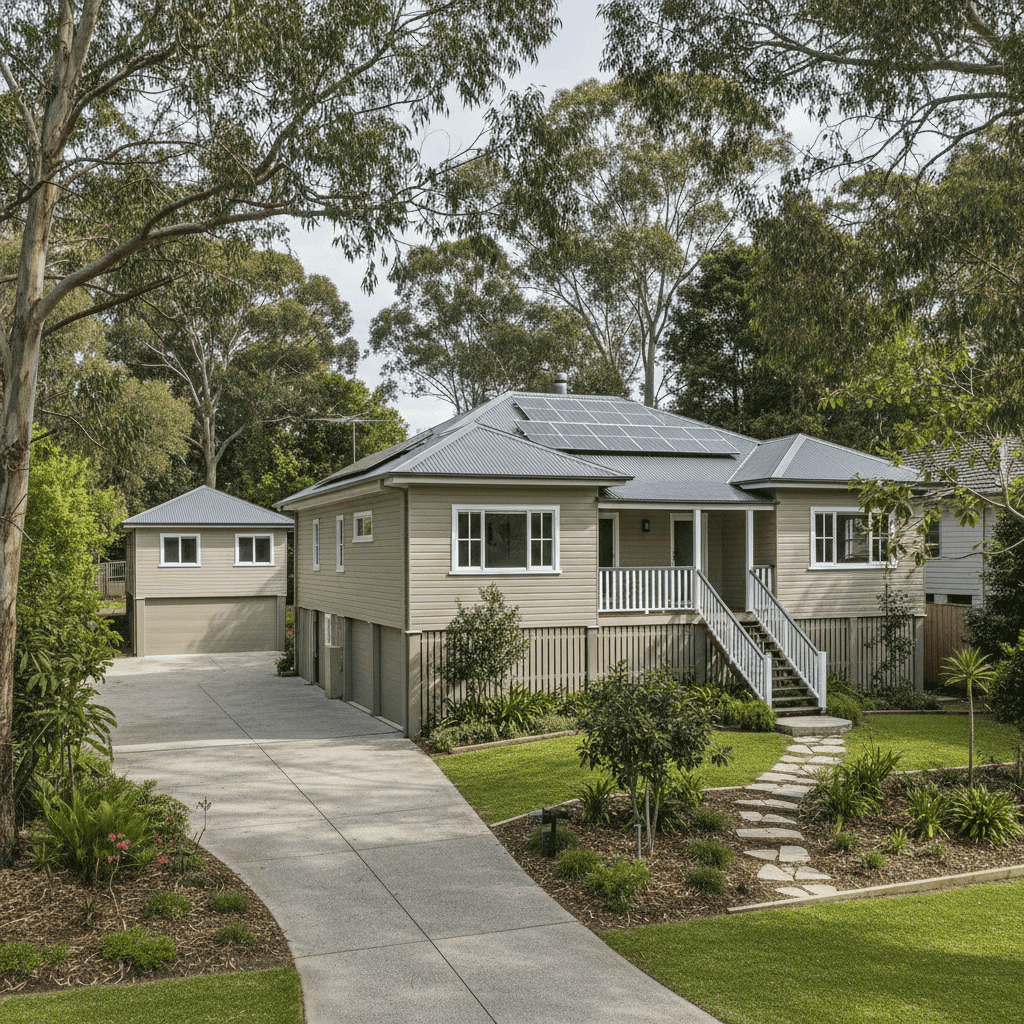
Woonona is a relaxed coastal suburb sitting between Wollongong and Sydney on the New South Wales Illawarra coast — a sought-after spot known for its beach access, established streetscapes, and a mix of older character homes alongside modern renovations. If you own a free-standing home here, you're likely paying a meaningful chunk of your household budget on insurance. This article breaks down a real home and contents insurance quote for a 3-bedroom, 2-bathroom free-standing home in Woonona, examines whether the price stacks up, and offers practical guidance for local homeowners looking to get better value.
---
Is This Quote Fair?
The quote in question comes in at $2,009 per year (or $212/month) for combined home and contents cover, with a building sum insured of $871,000 and contents valued at $50,000. The building excess sits at $4,000 and contents excess at $2,000.
Our price rating for this quote is Expensive — Above Average.
To put that in context: the suburb average for Woonona sits at $1,545/year, with a median of $1,599/year. This quote lands 30% above the suburb average and is above the 75th percentile threshold of $1,949/year — meaning it's pricier than at least three-quarters of comparable quotes in the area. That's a notable gap, and worth investigating before simply accepting the renewal or signing up.
That said, it's important to understand why a quote might come in higher. Several features of this particular property — which we'll explore below — contribute to a higher risk profile that insurers price accordingly.
---
How Woonona Compares
Understanding where Woonona sits in the broader insurance landscape helps put this quote in perspective.
| Benchmark | Premium |
|---|---|
| This Quote | $2,009/yr |
| Woonona Suburb Average | $1,545/yr |
| Woonona Suburb Median | $1,599/yr |
| Wollongong LGA Average | $2,751/yr |
| NSW State Median | $3,770/yr |
| National Median | $2,764/yr |
Interestingly, while this quote looks expensive at the suburb level, it's actually below both the NSW state median and the national median. The NSW state average of $9,528/year is heavily skewed by high-risk and high-value properties across the state, so the median of $3,770/year is a more reliable benchmark — and this quote sits well under it.
Compared to the national median of $2,764/year, this quote is also below average, suggesting that while Woonona homeowners in general enjoy relatively affordable premiums, this specific property's features are pushing the cost toward the upper end of the local range.
The Wollongong LGA average of $2,751/year also provides useful context — this quote is comfortably below that figure, which reflects the broader range of property types and risk profiles across the greater Wollongong area.
---
Property Features That Affect Your Premium
Several characteristics of this home are likely influencing the premium, both upward and downward.
Older Construction (1953)
Homes built in the 1950s often attract higher premiums due to the cost and complexity of restoring period-era features, potential for outdated wiring or plumbing, and the general wear that comes with age. A building sum insured of $871,000 for a 153 sqm home reflects the true cost of rebuilding to modern standards — which is typically higher per square metre for older homes.
Hardiplank / Hardiflex Cladding
Fibre cement cladding like Hardiplank and Hardiflex is generally viewed favourably by insurers — it's durable, fire-resistant, and low-maintenance compared to timber weatherboards. This may help moderate the premium compared to homes with older timber cladding.
Steel / Colorbond Roof
Colorbond roofing is another feature insurers tend to rate positively. It's resilient against hail, wind, and fire, and typically requires less maintenance than tile roofs. This is a genuine premium-reducing factor.
Stump Foundation & Elevated Design
The home sits on stumps and is elevated by less than 1 metre. While a raised foundation can improve airflow and reduce moisture issues, it also introduces some vulnerability to underfloor damage and may complicate certain repair scenarios. Insurers factor in the additional complexity of elevated structures.
Timber and Laminate Flooring
Timber flooring — particularly in an older home — can be costly to repair or replace following water damage or fire. This is a factor that can push building replacement costs higher.
Solar Panels
The presence of solar panels adds to the insured value of the property. Panels can be damaged by hail, storms, or fire, and their replacement cost needs to be factored into the building sum insured. Some insurers also apply a modest loading for solar installations.
Ducted Climate Control
Ducted air conditioning systems are expensive to repair or replace and are typically included in the building sum insured. Their presence contributes to the higher replacement value.
Granny Flat
A granny flat on the property adds both value and complexity to the insurance equation. It increases the overall replacement cost and may introduce questions around occupancy and liability that some insurers price into the premium.
---
Tips for Homeowners in Woonona
1. Review your building sum insured carefully At $871,000 for a 153 sqm home, the sum insured reflects the true cost of rebuilding — not the market value. Make sure this figure accounts for your granny flat, solar panels, ducted systems, and any period features. Being underinsured is a far greater risk than paying a slightly higher premium.
2. Compare quotes before renewing This quote sits above the suburb's 75th percentile, which means shopping around could yield meaningful savings. Get a quote through CoverClub to see how multiple insurers price your specific property — the difference can be hundreds of dollars per year.
3. Consider adjusting your excess The building excess of $4,000 is on the higher side, which typically helps reduce the annual premium. If cash flow allows, maintaining a higher excess is a legitimate strategy to keep ongoing costs down — just ensure you could comfortably cover that amount in the event of a claim.
4. Ask about bundling discounts Many insurers offer discounts when you hold both home and contents cover with them — which this policy already does. However, it's worth asking whether additional policies (such as car insurance) with the same provider could unlock further savings.
---
Compare Your Home Insurance with CoverClub
Whether you're reviewing an existing policy or shopping for the first time, CoverClub makes it easy to see how your quote stacks up. We publish real premium data for suburbs across Australia — including detailed Woonona insurance statistics — so you can make an informed decision rather than simply accepting the first number you're given. Start comparing quotes today and find out if you're getting a fair deal on your home and contents cover.