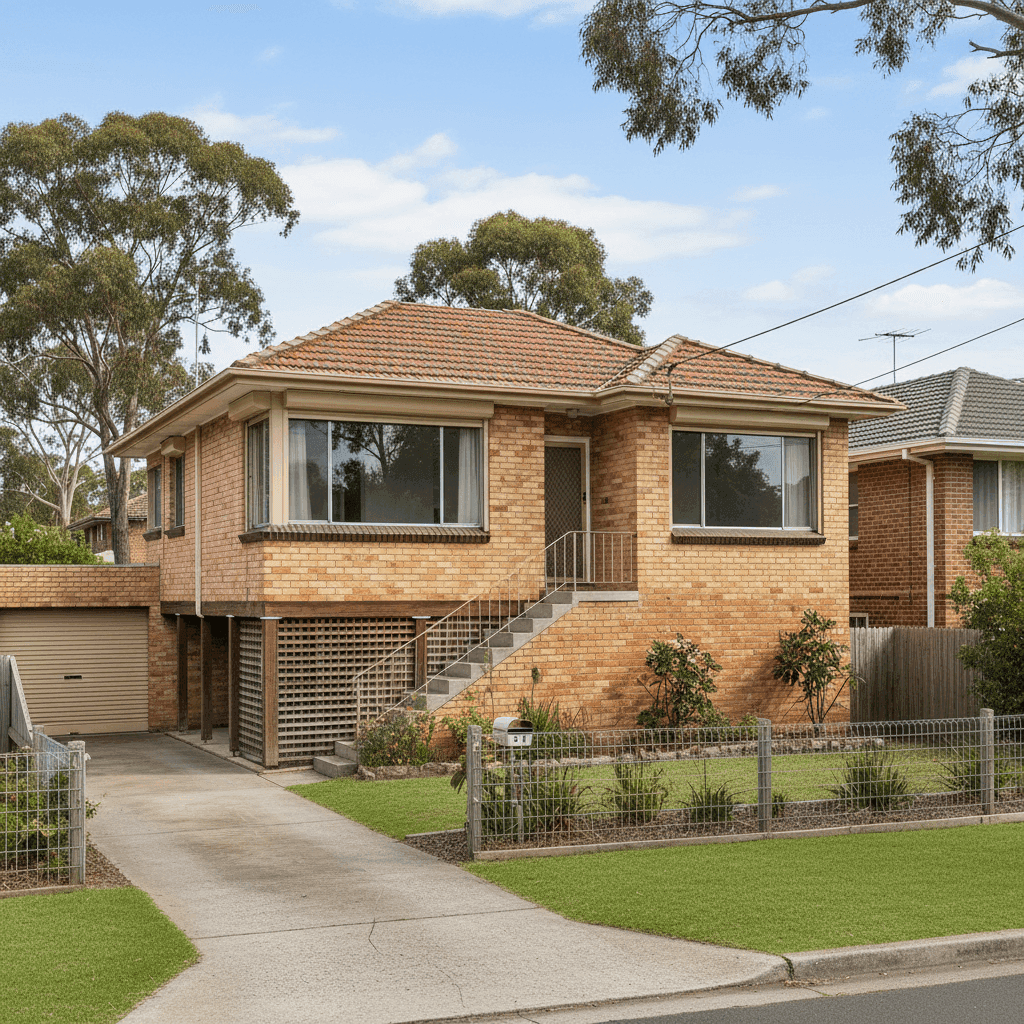
Woonona is a relaxed coastal suburb tucked between the Illawarra Escarpment and the Pacific Ocean, sitting just north of Wollongong in New South Wales. It's the kind of place where brick veneer homes from the 1980s line quiet streets, and a three-bedroom, one-bathroom house on stumps is a perfectly typical find. If you own a free standing home here and you're wondering whether your building insurance premium is reasonable — or whether you're paying too much — this analysis breaks it all down.
---
Is This Quote Fair?
The quote we're examining comes in at $1,093 per year (or roughly $106 per month) for building-only cover on a 130 sqm brick veneer home insured for $388,000. The building excess is set at $2,000.
Our price rating for this quote? Cheap — below average. That's a genuinely strong result.
To put it in perspective: the average home insurance premium in Woonona sits at $2,912 per year, with a median of $2,656. This quote comes in at just 37% of the suburb average — meaning the homeowner is paying less than half of what many of their neighbours are forking out for similar cover.
Even at the cheapest end of the local market (the 25th percentile sits at $2,041/yr), this quote still undercuts it by a significant margin. That's a remarkable outcome, and it suggests either a very competitive insurer, a favourable risk profile for this particular property, or both.
---
How Woonona Compares
It's worth zooming out to understand the broader pricing landscape.
| Benchmark | Premium |
|---|---|
| This quote | $1,093/yr |
| Woonona suburb average | $2,912/yr |
| Woonona suburb median | $2,656/yr |
| Wollongong LGA average | $2,530/yr |
| NSW state average | $3,801/yr |
| NSW state median | $3,410/yr |
| National average | $2,965/yr |
| National median | $2,716/yr |
Across the board, this quote is dramatically below every benchmark. The NSW state average of $3,801/yr is more than three times this quote, and even the national average of $2,965/yr is nearly triple the price.
It's worth noting that Woonona itself isn't an especially cheap suburb to insure. At $2,912/yr on average, it sits above both the Wollongong LGA average ($2,530/yr) and the national average — likely reflecting its coastal proximity, the mix of older housing stock, and some localised flood or storm risk factors in parts of the suburb. That makes this particular quote even more noteworthy.
The sample for Woonona is based on 18 quotes, which gives a reasonable (if not exhaustive) picture of the local market. The wide spread between the 25th percentile ($2,041/yr) and 75th percentile ($3,629/yr) tells you that premiums here can vary enormously depending on the insurer and property specifics.
---
Property Features That Affect Your Premium
Several characteristics of this property likely contribute to the favourable premium outcome.
Brick veneer construction is generally well-regarded by insurers. It's durable, fire-resistant, and less susceptible to rot or termite damage compared to full timber construction. Combined with a tiled roof — another material that scores well for fire resistance and longevity — this home presents a lower risk profile than, say, a weatherboard home with a corrugated iron roof.
Elevated on stumps is an interesting factor. On one hand, stump foundations can introduce some risk around subfloor maintenance and potential movement over time. On the other hand, being elevated by at least one metre can actually reduce flood and storm surge risk by keeping the floor level above typical inundation heights — which may be working in this homeowner's favour given Woonona's coastal setting.
Standard fittings quality keeps the rebuild cost estimate grounded. High-end kitchens, custom joinery, and imported stone benchtops all push up the sum insured — and therefore the premium. A standard-quality fit-out on a 130 sqm home keeps the insured value of $388,000 realistic and proportionate.
The absence of a pool, solar panels, and ducted climate control also simplifies the risk picture. Each of those additions can nudge premiums upward, so their absence here works in the homeowner's favour.
Finally, this property sits outside a cyclone risk area, which is relevant for NSW coastal properties. Cyclone-rated cover requirements can significantly increase premiums for properties in northern Queensland and parts of WA, so being outside that zone is a meaningful advantage.
---
Tips for Homeowners in Woonona
Whether you're reviewing your existing policy or shopping for the first time, here are a few practical steps worth taking.
1. Don't assume your current insurer is competitive. The wide premium range in Woonona — from $2,041 to $3,629 at the 25th and 75th percentiles — shows just how much prices vary. If you haven't compared quotes recently, there's a real chance you're overpaying. Use a comparison tool like CoverClub to see what multiple insurers would charge for your specific property.
2. Review your sum insured annually. Construction costs have risen sharply in recent years. The $388,000 sum insured on this property covers a 130 sqm home — but if rebuild costs in your area have climbed, you may be underinsured without realising it. Check whether your insurer offers automatic indexation, and cross-reference with a quantity surveyor estimate if you haven't done so recently.
3. Consider your excess carefully. This policy carries a $2,000 building excess. A higher excess typically lowers your premium, but it means more out-of-pocket cost when you do make a claim. Make sure the excess is genuinely affordable for you in a worst-case scenario — particularly relevant in a coastal suburb where storm damage can strike with little warning.
4. Check for flood and storm cover inclusions. Parts of Woonona and the broader Illawarra region can be affected by heavy rainfall events and coastal flooding. Confirm that your policy explicitly includes storm surge and flood cover — not all standard building policies do, and exclusions can be buried in the fine print.
---
Ready to Compare Your Own Quote?
Whether you're a Woonona local or own a property anywhere across New South Wales, it pays to know where your premium sits relative to the market. CoverClub makes it easy to compare building and contents insurance quotes side by side, so you can see exactly what you're getting — and whether there's a better deal out there.