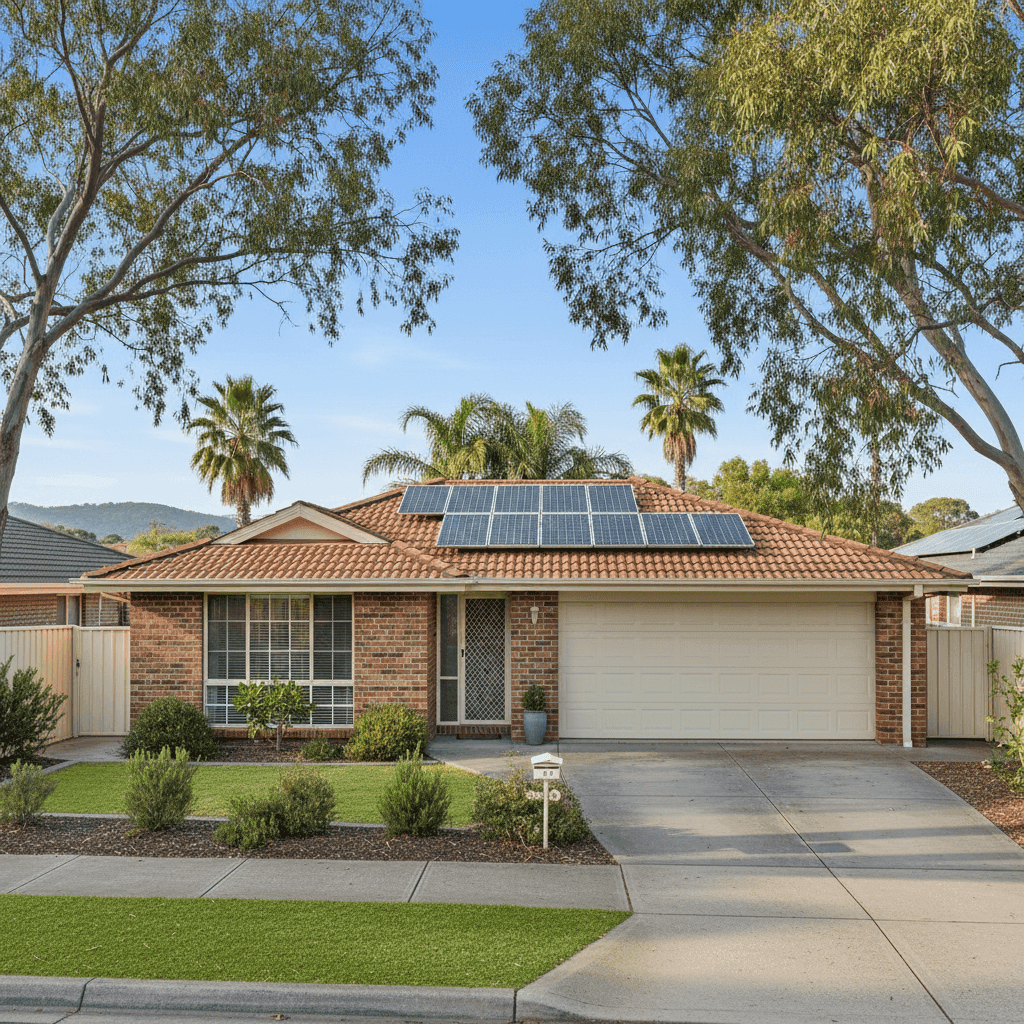
Worongary is a quiet, leafy suburb nestled in the Gold Coast hinterland — popular with families who want space and serenity without straying too far from the coast. If you own a free standing home here, understanding what you should be paying for home and contents insurance is just as important as finding the right policy. This article breaks down a real quote for a four-bedroom brick veneer home in Worongary (postcode 4213) and puts it in context against local, state, and national benchmarks.
---
Is This Quote Fair?
The annual premium on this quote comes in at $2,333 per year (or $231 per month), covering both building and contents for a sum insured of $501,000 on the building and $50,000 on contents. Both the building and contents excess are set at $500 — a fairly standard arrangement.
Our price rating for this quote is CHEAP — meaning it sits meaningfully below average for the area. That's genuinely good news for the homeowner. To put it in perspective:
- The suburb average for Worongary is $7,358/yr
- The suburb median sits even higher at $7,804/yr
- Even the 25th percentile (the cheapest quarter of quotes in the suburb) comes in at $5,825/yr
This quote at $2,333 is well below all of those thresholds — including the cheapest quarter of local quotes. That's a significant saving by any measure.
It's worth noting that the suburb sample size is relatively small (5 quotes), so the local averages should be taken as indicative rather than definitive. That said, the gap between this quote and the suburb benchmarks is so substantial that the "cheap" rating is well justified.
---
How Worongary Compares
To understand just how competitive this quote is, it helps to zoom out and look at the broader picture. You can explore full data on the Worongary insurance stats page, the Queensland state overview, and national insurance benchmarks.
| Benchmark | Annual Premium |
|---|---|
| This Quote | $2,333 |
| Worongary Suburb Average | $7,358 |
| Worongary Suburb Median | $7,804 |
| Gold Coast LGA Average | $8,161 |
| QLD State Average | $9,129 |
| QLD State Median | $3,903 |
| National Average | $5,347 |
| National Median | $2,764 |
A few things stand out here. Queensland's state average of $9,129 is notably high — driven in large part by cyclone-prone regions in Far North Queensland, where premiums can be eye-watering. The state median of $3,903 is a more grounded figure, and this quote still comes in comfortably below it.
At the national level, the average sits at $5,347, while the median is $2,764. This quote is slightly below the national median, which reinforces the "cheap" rating — even by Australian-wide standards, this is a competitive price.
The Gold Coast LGA average of $8,161 is particularly striking. Much of the Gold Coast faces elevated flood, storm surge, and coastal weather risks that push premiums up significantly. Worongary's hinterland position, away from coastal and riverine flood zones, likely contributes to this quote's favourable pricing.
---
Property Features That Affect Your Premium
Several characteristics of this property work in the homeowner's favour from an insurance pricing perspective.
Brick veneer construction is generally well regarded by insurers. It offers solid fire resistance and structural durability compared to timber-framed weatherboard homes, which can translate into lower building premiums.
Tiled roofing is another positive signal. Tiles are durable and perform well in storms (outside of cyclone-rated wind zones), and they tend to attract more favourable rates than older materials like fibrous cement or corrugated iron.
Slab foundation is the most common foundation type in Queensland and is generally considered low risk by insurers — no subfloor space means less exposure to moisture, pests, and certain types of structural movement.
Solar panels are worth flagging. While they add value to the property and can reduce energy costs, they do represent an additional asset that needs to be covered. Homeowners should confirm with their insurer that solar panels are explicitly included under the building sum insured, as some policies treat them differently or require a specific endorsement.
The property was built in 1989, which puts it in a generation of Queensland homes that were constructed to reasonable but pre-modern building standards. It's not so old as to attract significant age-related loading, but it's worth keeping an eye on the condition of the roof and plumbing as the home approaches and passes the 40-year mark.
The absence of a pool simplifies the risk profile slightly, and the standard fittings quality means the sum insured is unlikely to be inflated by high-end fixtures or finishes.
---
Tips for Homeowners in Worongary
1. Review your building sum insured regularly At $501,000, the building sum insured needs to reflect the actual cost to rebuild — not the market value of the property. Construction costs have risen sharply in recent years across Queensland. Use a building cost calculator or speak with a quantity surveyor to make sure you're not underinsured.
2. Confirm solar panel coverage With solar panels on the roof, double-check your policy's Product Disclosure Statement (PDS) to confirm they're covered under the building section. Some insurers cap solar coverage or exclude certain components. If in doubt, ask your insurer directly.
3. Don't set and forget This quote is competitively priced right now, but premiums can shift at renewal — sometimes significantly. Make it a habit to compare quotes annually at CoverClub to ensure you're still getting a fair deal.
4. Consider your contents sum insured $50,000 in contents cover is a reasonable starting point for a four-bedroom home, but it's easy to underestimate the replacement value of everything inside. Do a room-by-room inventory periodically — including electronics, appliances, clothing, and furniture — to make sure your contents sum insured keeps pace with reality.
---
Compare Your Own Quote
Whether you're a Worongary local or shopping around for the first time, it pays to see what the market has to offer. CoverClub makes it easy to compare home and contents insurance quotes in one place — no jargon, no runaround. Get a quote today at CoverClub and find out if your current policy is still the right fit.