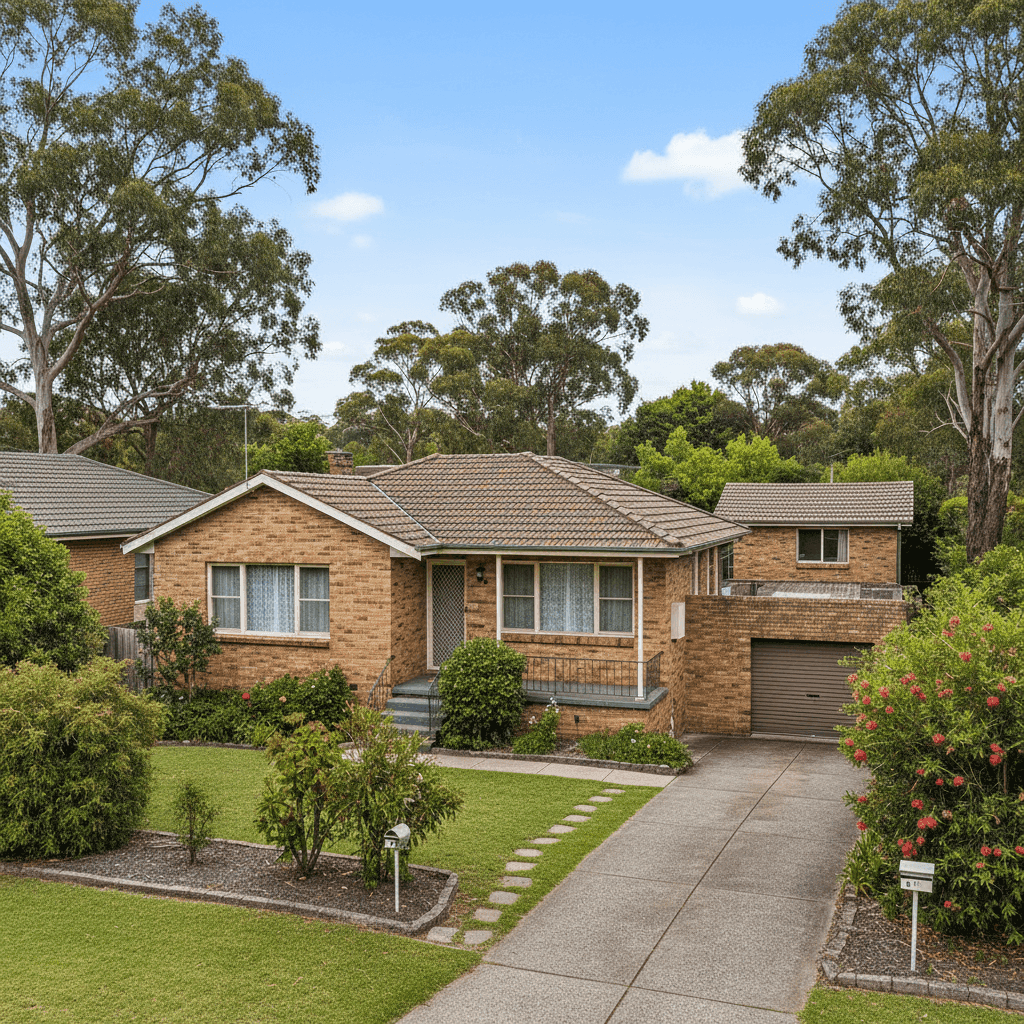
Woronora is a quiet, leafy suburb tucked along the Woronora River in Sydney's Sutherland Shire — known for its bushland setting, older character homes, and relaxed lifestyle. If you own a free standing home here, understanding what you should be paying for home and contents insurance is well worth your time. This article breaks down a real insurance quote for a four-bedroom property in the area, compares it against local, state, and national benchmarks, and offers practical tips to help you get the best value cover.
---
Is This Quote Fair?
The quote in question comes to $3,274 per year (or $334 per month) for combined home and contents cover, with a building sum insured of $1,060,000 and contents valued at $50,000. The building excess sits at $3,000, while the contents excess is $1,000.
Based on CoverClub's pricing data, this quote is rated CHEAP — meaning it sits below the average for comparable properties. That's genuinely good news for the homeowner. In a suburb where premiums can vary dramatically (more on that below), landing a below-average rate on a well-built double brick home with a granny flat is a solid outcome.
That said, "cheap" doesn't always mean "best." It's important to ensure the policy offers adequate coverage for the property's replacement cost, not just a low sticker price. At $1,060,000 in building cover for a 153 sqm home built in 1963, the sum insured appears reasonable for the Sutherland Shire market — but it's always worth reviewing your policy schedule to confirm inclusions, exclusions, and any sub-limits that may apply.
---
How Woronora Compares
The pricing landscape in Woronora is notably wide, which reflects the diversity of properties and risk profiles across the suburb. Here's how this quote stacks up:
| Benchmark | Premium |
|---|---|
| This Quote | $3,274/yr |
| Suburb 25th Percentile | $17,439/yr |
| Suburb Median | $18,747/yr |
| Suburb 75th Percentile | $23,404/yr |
| Suburb Average | $182,428/yr |
| LGA (Sutherland) Average | $23,423/yr |
| NSW State Median | $3,770/yr |
| NSW State Average | $9,528/yr |
| National Median | $2,764/yr |
| National Average | $5,347/yr |
> ⚠️ Note on suburb data: The suburb sample size for Woronora is small (8 quotes), and the suburb average of $182,428 is heavily skewed by outliers — likely high-value or high-risk properties. The median of $18,747 is a more reliable central reference point for typical homes in the area.
Compared to the NSW state median of $3,770, this quote of $3,274 sits comfortably below — a meaningful saving. Against the national median of $2,764, it's slightly above, which is entirely expected given Sydney property values and the Sutherland Shire's bushfire-adjacent landscape.
You can explore more detailed pricing data for the suburb at the Woronora insurance stats page.
---
Property Features That Affect Your Premium
Several characteristics of this property play a direct role in how insurers price the risk. Here's what matters most:
Double Brick Construction
Double brick walls are one of the most favourable building materials from an insurer's perspective. They offer excellent fire resistance, structural durability, and resilience against storm damage — all of which typically translate to lower premiums compared to timber-framed or clad homes.
Concrete Tile Roof
A concrete roof is similarly well-regarded by insurers. It's durable, fire-resistant, and less prone to storm damage than older terracotta or corrugated iron roofing. However, concrete tiles can be heavy and may require periodic inspection for cracking, particularly on a home built in 1963.
Age of Construction (1963)
At over 60 years old, this home falls into the "older dwelling" category. Insurers may factor in the potential for ageing plumbing, wiring, and structural components. While the double brick construction helps offset some of this concern, it's worth ensuring your policy covers gradual deterioration and that your sum insured accounts for the cost of rebuilding to current standards and codes.
Slab Foundation
A concrete slab foundation is standard and generally neutral in terms of insurance pricing — it's neither a risk factor nor a significant benefit. It does, however, mean the property lacks a subfloor cavity, which can be relevant in flood-prone areas.
Granny Flat
The presence of a granny flat adds complexity to your cover. It increases the replacement value of the property (which should be reflected in the building sum insured) and may introduce questions around rental income, liability, and whether any contents within the flat are covered. Always confirm with your insurer whether the granny flat is explicitly included in your policy.
Carpet Flooring & Standard Fittings
Carpet throughout and standard-quality fittings keep the replacement cost at a moderate level, which helps maintain a reasonable premium. Homes with high-end finishes — engineered timber floors, stone benchtops, custom joinery — tend to attract higher sums insured and therefore higher premiums.
No Pool, Solar, or Cyclone Risk
The absence of a swimming pool, solar panels, and cyclone risk zone classification all work in the homeowner's favour. Each of these factors can add cost or complexity to a policy, so their absence simplifies the risk profile considerably.
---
Tips for Homeowners in Woronora
1. Review your building sum insured annually Construction costs in Sydney have risen significantly in recent years. A sum insured set several years ago may no longer reflect the true cost of rebuilding your home — especially with a granny flat on the property. Use a building cost calculator or speak with a quantity surveyor to ensure you're not underinsured.
2. Clarify granny flat coverage with your insurer Ask your insurer directly: is the granny flat included in the building sum insured? Are any contents within it covered? If the flat is tenanted, you may also need landlord insurance or a specific endorsement on your policy. Don't assume — get it in writing.
3. Take advantage of your double brick construction When comparing quotes, make sure you're accurately entering your wall construction type. Some comparison tools default to standard brick veneer, which may inflate your quote. Double brick is a genuine risk-reduction feature — make sure insurers know about it.
4. Consider a higher excess to reduce your premium This quote carries a $3,000 building excess, which is already on the higher side and likely contributes to the below-average premium. If you're in a strong financial position to absorb a larger out-of-pocket cost in the event of a claim, maintaining or slightly increasing your excess can keep annual premiums lower over time.
---
Compare Your Own Quote at CoverClub
Whether you're renewing your existing policy or shopping around for the first time, it pays to compare. CoverClub makes it easy to see how your premium stacks up against real data from your suburb, your state, and across Australia. Get a quote today and find out if you're paying a fair price — or if there's a better deal waiting for you.