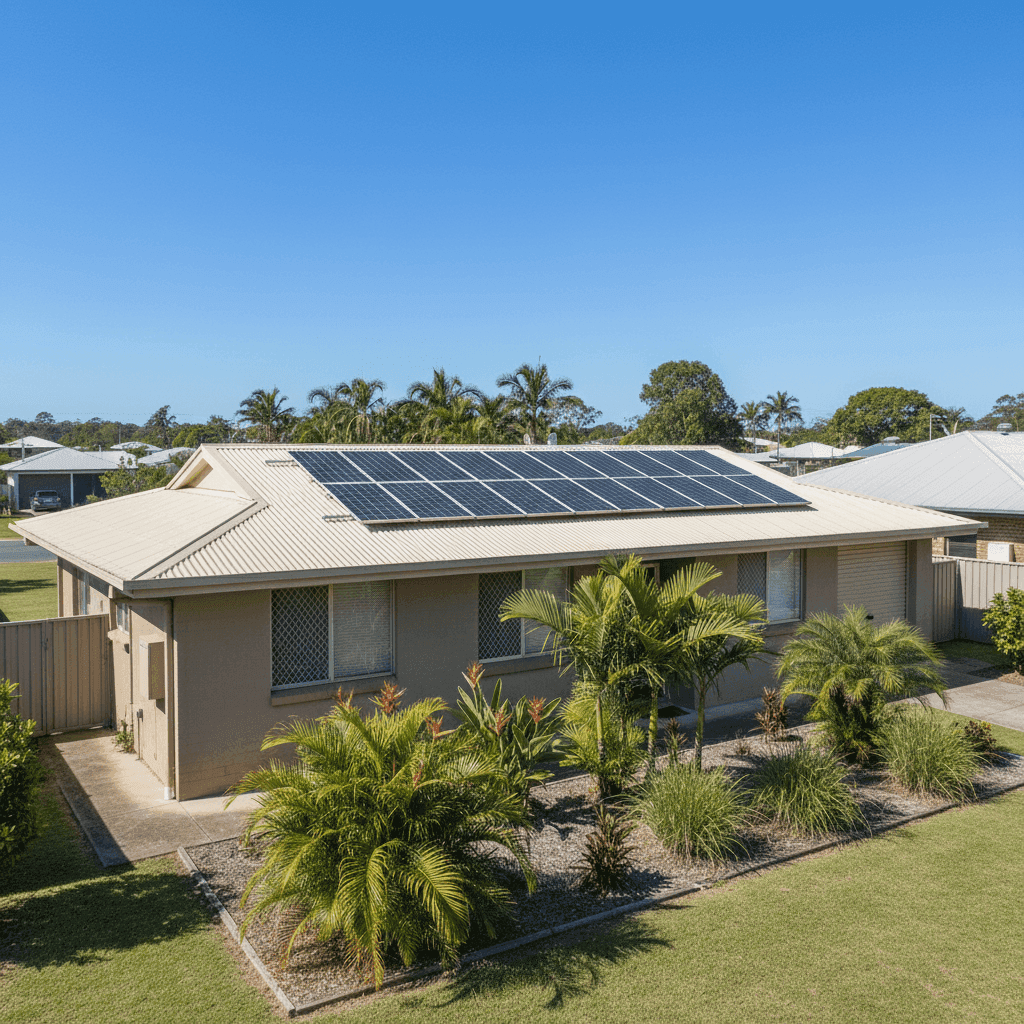
If you own a free standing home in Wulguru, QLD 4811, you already know that finding the right home insurance at a fair price isn't always straightforward — especially in a region that carries real weather risks. This article breaks down a recent building insurance quote for a three-bedroom, one-bathroom free standing home in Wulguru, compares it against state and national benchmarks, and offers practical tips to help you get the best value on your cover.
---
Is This Quote Fair?
The annual premium on this quote comes in at $2,243 per year (or $213/month), with a building sum insured of $300,000 and a building excess of $3,000. Our analysis rates this as CHEAP — below average for the area.
That's a meaningful result. Wulguru sits within the Townsville local government area, which is one of the most expensive insurance markets in Australia due to its cyclone exposure and history of significant weather events. Against that backdrop, securing a below-average premium is genuinely good news for this homeowner.
It's worth noting that a higher excess ($3,000 for building) is one factor that can bring a premium down. If you ever need to make a claim, you'll need to cover that first $3,000 out of pocket — so it's a trade-off worth understanding before you commit.
---
How Wulguru Compares
To put this quote in proper context, here's how the $2,243 annual premium stacks up against broader benchmarks:
| Benchmark | Annual Premium |
|---|---|
| This quote | $2,243 |
| LGA (Townsville) average | $7,258 |
| QLD state average | $4,547 |
| QLD state median | $3,931 |
| National average | $2,965 |
| National median | $2,716 |
The numbers tell a striking story. The Townsville LGA average of $7,258 per year is more than three times what this homeowner is paying. Even compared to the Queensland state average of $4,547, this quote is roughly half the price — and it sits well below the national average of $2,965 too.
For a suburb sitting squarely in a cyclone risk zone, that's an unusually competitive result. It likely reflects a combination of the property's construction characteristics (more on that below), the specific insurer's pricing model, and the higher excess selected.
You can explore more localised pricing data for Wulguru and surrounding streets at the Wulguru suburb stats page.
---
Property Features That Affect Your Premium
Several characteristics of this property play a direct role in how insurers price the risk — and in this case, a number of them work in the homeowner's favour.
Concrete External Walls
Concrete construction is generally viewed favourably by insurers. It's highly resistant to fire, strong against wind loads, and holds up well in severe weather events — all of which matter enormously in a cyclone-prone region like Townsville. Compared to timber-framed homes, concrete walls can translate to meaningfully lower premiums.
Steel / Colorbond Roof
A Colorbond steel roof is another tick in the right column. It's durable, low-maintenance, and performs well under cyclonic wind conditions when properly installed. Insurers in North Queensland are well aware of the difference between a well-secured steel roof and older roofing materials, and this type of roof can help moderate your premium.
Slab Foundation
A concrete slab foundation is considered low-risk from an insurance perspective. Unlike raised or suspended floors, slabs are less susceptible to flooding ingress from below and don't carry the same structural vulnerability concerns.
Solar Panels
This property has solar panels installed, which adds a modest layer of complexity for insurers. Solar systems are typically covered under building insurance, but it's important to confirm with your insurer that the panels and associated inverter equipment are explicitly included in your sum insured. Given the $300,000 building cover here, there should be adequate room — but always worth verifying.
Cyclone Risk Area
Wulguru is located in a designated cyclone risk area, which is the single biggest driver of elevated premiums across the Townsville region. Despite this risk classification, this quote has come in well below both state and national averages — suggesting the property's solid construction materials are doing real work in offsetting that risk factor.
1990 Build Year
A home built in 1990 sits in an interesting middle ground. It predates some of the more stringent cyclone building codes introduced in Queensland after Cyclone Tracy (1974) and further tightened in the late 1990s and 2000s. If the home has been upgraded or retrofitted to meet modern standards, that's worth mentioning to your insurer as it may positively influence your premium.
---
Tips for Homeowners in Wulguru
1. Review Your Sum Insured Annually
Building costs have risen significantly in recent years. A $300,000 sum insured may have been accurate at the time of the quote, but reconstruction costs — especially in regional Queensland where trades and materials carry a premium — can shift quickly. Use a building cost calculator or ask your insurer to help you confirm your cover is adequate.
2. Ask About Cyclone Mitigation Discounts
Some insurers offer discounts for homes that have undergone cyclone resilience upgrades — things like roof tie-down improvements, storm shutters, or compliance with updated wind loading standards. If any work has been done on this property, it's worth raising with your insurer.
3. Confirm Solar Panel Coverage
Make sure your policy explicitly covers the solar panel system, including the inverter. Some policies treat solar as a standard building fixture; others may require it to be listed separately or have specific sub-limits. A quick call to your insurer can save a nasty surprise at claim time.
4. Compare Before You Renew
Even if this quote is already rated cheap, that doesn't mean it will stay that way at renewal. Insurers adjust their pricing models regularly, and the market in North Queensland is particularly volatile. Shopping around at renewal — even just to confirm you're still getting good value — is a smart habit. Get a fresh quote at CoverClub to see what's available.
---
Compare Home Insurance for Your Wulguru Property
Whether you're reviewing an existing policy or shopping for the first time, comparing quotes is the best way to make sure you're not overpaying. CoverClub makes it easy to see real premium estimates for your specific property and location — no obligation, no pressure. Start your comparison at CoverClub and find out what your home insurance should really cost.