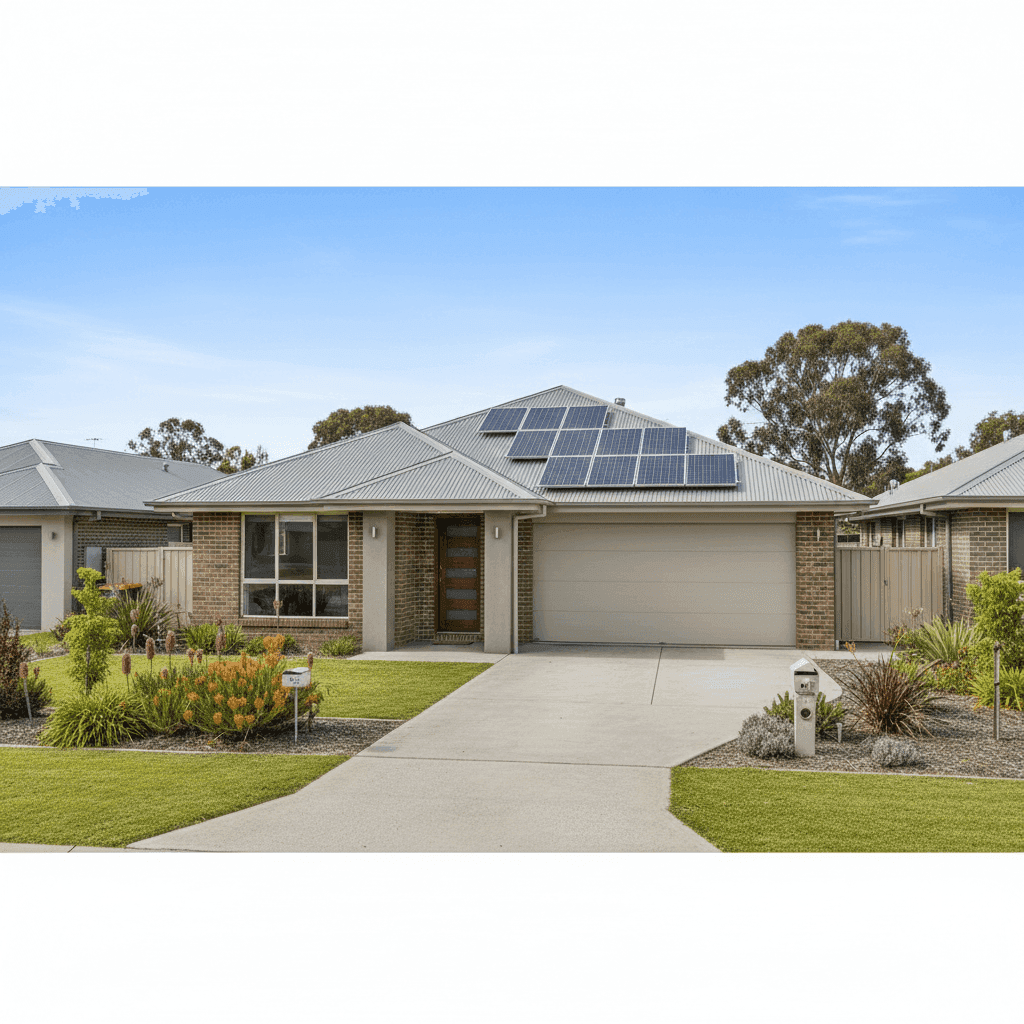
Wy Yung is a quiet residential locality on the outskirts of Bairnsdale in East Gippsland, Victoria — and like much of regional Victoria, home insurance costs here can vary considerably depending on your property's characteristics, insurer, and the level of cover you choose. This article takes a close look at a real home and contents insurance quote for a three-bedroom, two-bathroom free standing home in Wy Yung (postcode 3875), breaking down whether the price is competitive and what factors are likely driving the premium.
---
Is This Quote Fair?
The quote in question comes in at $2,282 per year (or $244 per month) for combined home and contents cover, with a building sum insured of $750,000 and contents valued at $100,000. The building excess is $4,000 and the contents excess is $1,000.
CoverClub rates this quote as Fair — Around Average, which is a reasonable outcome for a property of this type in the region. It's not the cheapest available, but it's also well within the normal range for Wy Yung and sits comfortably below several key benchmarks we'll explore below.
One thing worth noting: the $4,000 building excess is on the higher side. Insurers often offer lower premiums in exchange for a higher excess, so while the annual cost looks reasonable, you'd be out of pocket by $4,000 before your insurer contributes a cent to any building claim. That trade-off is worth keeping in mind when comparing policies.
---
How Wy Yung Compares
To understand whether $2,282 represents good value, it helps to look at what others in the area — and across the country — are paying.
Based on data from CoverClub's Wy Yung suburb stats:
| Benchmark | Premium |
|---|---|
| This quote | $2,282/yr |
| Suburb average | $2,406/yr |
| Suburb median | $2,770/yr |
| Suburb 25th percentile | $1,733/yr |
| Suburb 75th percentile | $2,888/yr |
This quote sits below both the suburb average and median, which is a positive sign. It's above the cheapest quarter of quotes in the area (the 25th percentile at $1,733), suggesting there may be room to find a lower price — but the gap isn't enormous, and coverage details matter just as much as the headline figure.
Zooming out to the state level, VIC home insurance data shows an average premium of $3,000/yr and a median of $2,718/yr. This quote beats both figures, which is encouraging. The LGA average for East Gippsland sits at $3,003/yr — again, higher than what's been quoted here.
At a national level, the contrast is even more striking. The national average premium is $5,347/yr, heavily influenced by high-risk areas in Queensland and Western Australia. The national median of $2,764/yr is a more useful comparison point, and this quote comes in just below it.
All things considered, $2,282/yr for home and contents cover in Wy Yung is a solid result — below suburb, state, and national medians.
---
Property Features That Affect Your Premium
Insurance premiums aren't calculated in a vacuum. Insurers assess dozens of property-specific variables, and this home has a number of features worth understanding.
Brick veneer walls and Colorbond roof Brick veneer is generally viewed favourably by insurers — it offers good structural integrity and reasonable fire resistance. A steel Colorbond roof is similarly well-regarded: it's durable, low-maintenance, and performs well in both bushfire-prone and high-wind environments. Together, these materials contribute to a lower risk profile compared to timber-framed or older construction.
Concrete slab foundation Slab foundations are common in homes built from the 1990s onwards and are generally considered stable and low-risk from an insurance perspective. They're less susceptible to termite damage and subsidence than older pier-and-beam styles.
Constructed in 2010 A 2010 build means the home is relatively modern — built to contemporary Australian Standards — which typically translates to lower risk in insurers' eyes. Older homes may have outdated wiring, plumbing, or roofing that increases the likelihood of a claim.
Solar panels The presence of solar panels adds a layer of complexity to home insurance. Panels represent an additional asset that can be damaged by hail, storms, or fire, and they may or may not be covered under a standard policy. It's essential to confirm with your insurer whether your solar system is included in the building sum insured or requires a separate endorsement.
Timber and laminate flooring Timber and laminate floors are more susceptible to water damage than tiles, which can be a factor in contents and building claims following a flood or burst pipe. This is worth considering when reviewing your policy's water damage provisions.
No pool, no ducted climate control The absence of a pool removes a common liability risk, while no ducted climate control simplifies the building's mechanical systems — both factors that can modestly reduce premium exposure.
169 sqm building size and standard fittings At 169 sqm with standard fittings, this is a modest but well-appointed home. The $750,000 building sum insured equates to roughly $4,437 per sqm — in line with current rebuild cost estimates for brick veneer construction in regional Victoria.
---
Tips for Homeowners in Wy Yung
1. Review your building sum insured regularly Construction costs have risen significantly in recent years. Make sure your sum insured reflects current rebuild costs — not the market value of the property. Underinsurance is one of the most common and costly mistakes homeowners make.
2. Clarify solar panel coverage Ask your insurer explicitly whether your solar panels are covered, under what circumstances, and up to what value. If they're not included, request an endorsement or consider a specialist policy.
3. Understand your excess before you commit A $4,000 building excess means smaller claims may not be worth lodging. Consider whether a lower excess (at a slightly higher premium) might better suit your financial situation, particularly given East Gippsland's exposure to storm and bushfire events.
4. Compare at renewal, not just at inception Insurers often reserve their best pricing for new customers. If your policy is coming up for renewal, it's worth shopping around — even if you're happy with your current insurer. Loyalty doesn't always pay in the insurance market.
---
Ready to Find a Better Deal?
Whether you're a first-time buyer or a long-time Wy Yung resident, comparing home insurance quotes takes minutes and can save you hundreds of dollars a year. CoverClub makes it easy to see what's available for your specific property and coverage needs.
Get a home insurance quote today and see how your current premium stacks up against the market.