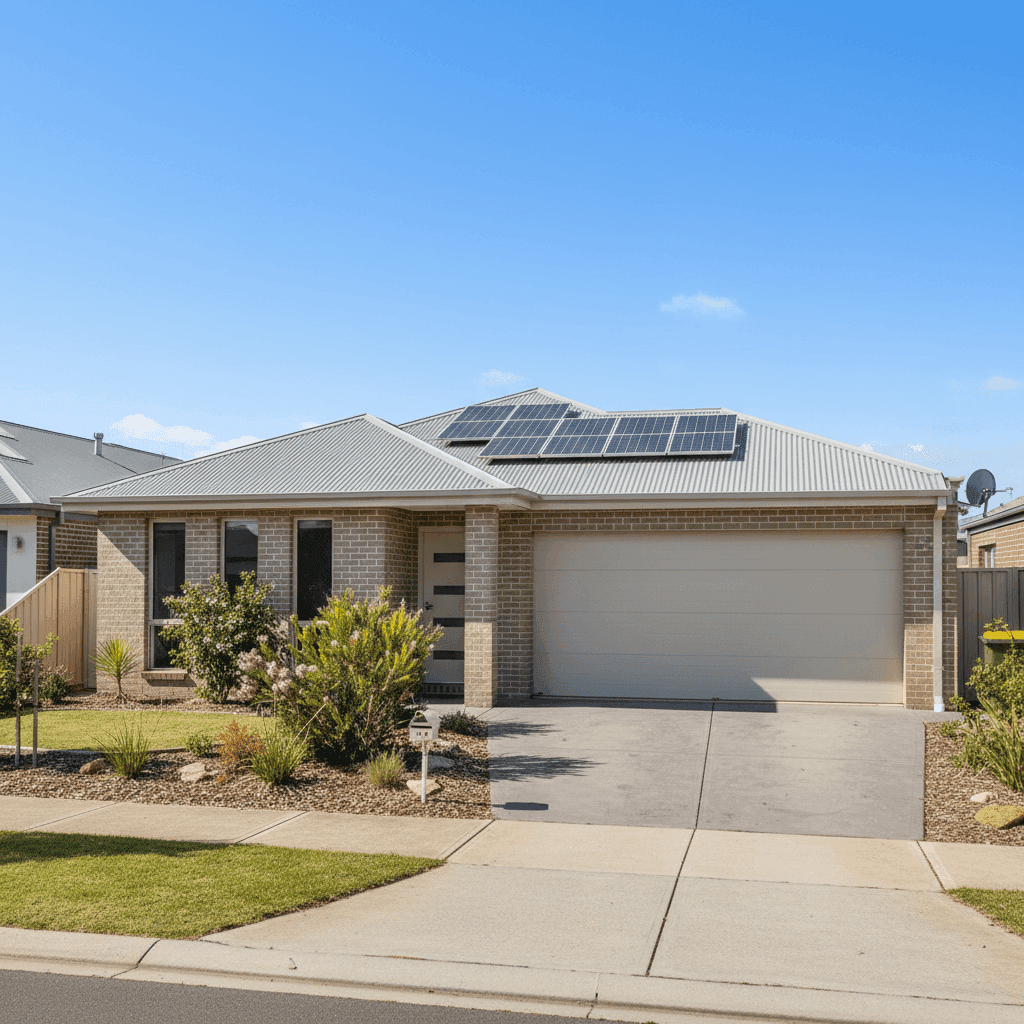
If you own a free standing home in Wy Yung, VIC 3875, understanding what you should be paying for home and contents insurance can save you hundreds of dollars a year. This article breaks down a real quote for a three-bedroom, two-bathroom brick veneer home in the area — and puts it in context against local, state, and national benchmarks so you can judge whether your own premium is competitive.
---
Is This Quote Fair?
The quote in question sits at $2,126 per year (or roughly $228 per month) for combined home and contents cover, with a building sum insured of $700,000 and contents cover of $100,000. The building excess is $4,000 and the contents excess is $1,000.
Our price rating for this quote is FAIR — Around Average.
That assessment holds up well under scrutiny. The premium lands comfortably below the suburb average of $2,406/yr and well beneath the suburb median of $2,770/yr. It also sits within the middle band of the local pricing range — the 25th percentile for Wy Yung is $1,733/yr and the 75th percentile is $2,888/yr — meaning this quote is squarely in the middle of what homeowners in the area are paying. You're not getting a bargain-basement deal, but you're certainly not being overcharged either.
One thing worth noting is the relatively high building excess of $4,000. A higher excess typically reduces your annual premium, so part of the reason this quote looks competitive on price is that you'd be carrying more out-of-pocket cost in the event of a claim. Whether that trade-off suits your financial situation is worth considering carefully.
---
How Wy Yung Compares
To really understand the value of this quote, it helps to zoom out and look at the broader picture. Here's how the $2,126 annual premium stacks up across different geographic levels:
| Benchmark | Premium |
|---|---|
| This Quote | $2,126/yr |
| Wy Yung Suburb Average | $2,406/yr |
| Wy Yung Suburb Median | $2,770/yr |
| VIC State Average | $3,000/yr |
| VIC State Median | $2,718/yr |
| National Average | $5,347/yr |
| National Median | $2,764/yr |
| East Gippsland LGA Average | $3,003/yr |
Note: Suburb data is based on a sample of 13 quotes. For a broader view of pricing trends in the area, visit the [Wy Yung suburb insurance stats page](https://coverclub.com.au/stats/VIC/3875/wy-yung).
The standout figure here is the national average of $5,347/yr, which is more than double this quote. That gap is largely driven by high-risk regions across Australia — particularly cyclone-prone areas in Queensland and parts of Western Australia — which inflate the national average significantly. The national median of $2,764/yr is a more representative comparison point for most homeowners, and this quote still comes in below it.
At the state level, the VIC average of $3,000/yr is also notably higher than this quote, reflecting the diverse range of properties and risk profiles across Victoria. The East Gippsland LGA average of $3,003/yr tells a similar story — this property is priced more favourably than many of its regional neighbours.
For a full national context, you can explore home insurance averages across Australia.
---
Property Features That Affect Your Premium
Several characteristics of this property will have influenced the premium calculation. Understanding these factors can help you anticipate how your own home might be rated.
Brick veneer construction is generally viewed favourably by insurers. It offers solid fire resistance and structural durability compared to weatherboard or lightweight cladding, which can translate to lower rebuild risk and, in turn, more competitive premiums.
Steel/Colorbond roofing is another plus. It's durable, low-maintenance, and performs well in both fire and storm conditions — all factors that reduce insurer risk. In regional Victoria, where storms and high winds are not uncommon, a robust roof can make a meaningful difference to your premium.
Slab foundation construction is standard for homes of this era and is generally straightforward to assess for insurers. It doesn't carry the added complexity or risk of stumped or suspended floors, which can be more vulnerable to moisture and movement.
Timber and laminate flooring may attract slightly higher contents-related risk than tiles in the event of water damage, but this is typically a minor factor in overall pricing.
Solar panels are worth flagging. While they add value to the property, they also represent an additional asset that needs to be covered — and some insurers have specific conditions around solar panel coverage. It's worth checking whether your policy explicitly covers the panels for damage or theft, and whether the building sum insured accounts for their replacement cost.
The 169 sqm building size and standard fittings quality both point to a relatively straightforward rebuild scenario, without the premium loading that can come with high-end finishes or unusually large floor plans.
---
Tips for Homeowners in Wy Yung
1. Review your building sum insured regularly A $700,000 sum insured is substantial, but construction costs have risen sharply in recent years. It's worth getting an independent building replacement estimate — not the market value of your home, but the actual cost to rebuild from scratch — to ensure you're not underinsured. Many homeowners are caught out at claim time when their sum insured doesn't reflect current labour and materials costs.
2. Understand what your excess means in practice The $4,000 building excess on this policy is on the higher end. Before accepting a high-excess policy for the premium saving, ask yourself: could you comfortably cover that amount out of pocket after a significant storm or fire event? If not, it may be worth paying a slightly higher premium for a lower excess.
3. Confirm your solar panels are covered Solar panel systems can cost $8,000–$20,000 or more to replace. Check your policy wording carefully to confirm panels are covered under the building section, and that the sum insured is sufficient to include them. Some policies exclude panels or treat them as optional extras.
4. Compare quotes at renewal time Insurance premiums can shift significantly from year to year, and loyalty doesn't always pay. Even if your current quote is rated as fair, it's worth shopping around at renewal to see whether better value is available. The market is competitive, and a few minutes comparing quotes could save you a meaningful sum annually.
---
Ready to Compare?
Whether you're reviewing your current policy or shopping for cover for the first time, CoverClub makes it easy to see how your premium stacks up. Get a home insurance quote today and find out if you're paying a fair price — or if there's a better deal waiting for you.