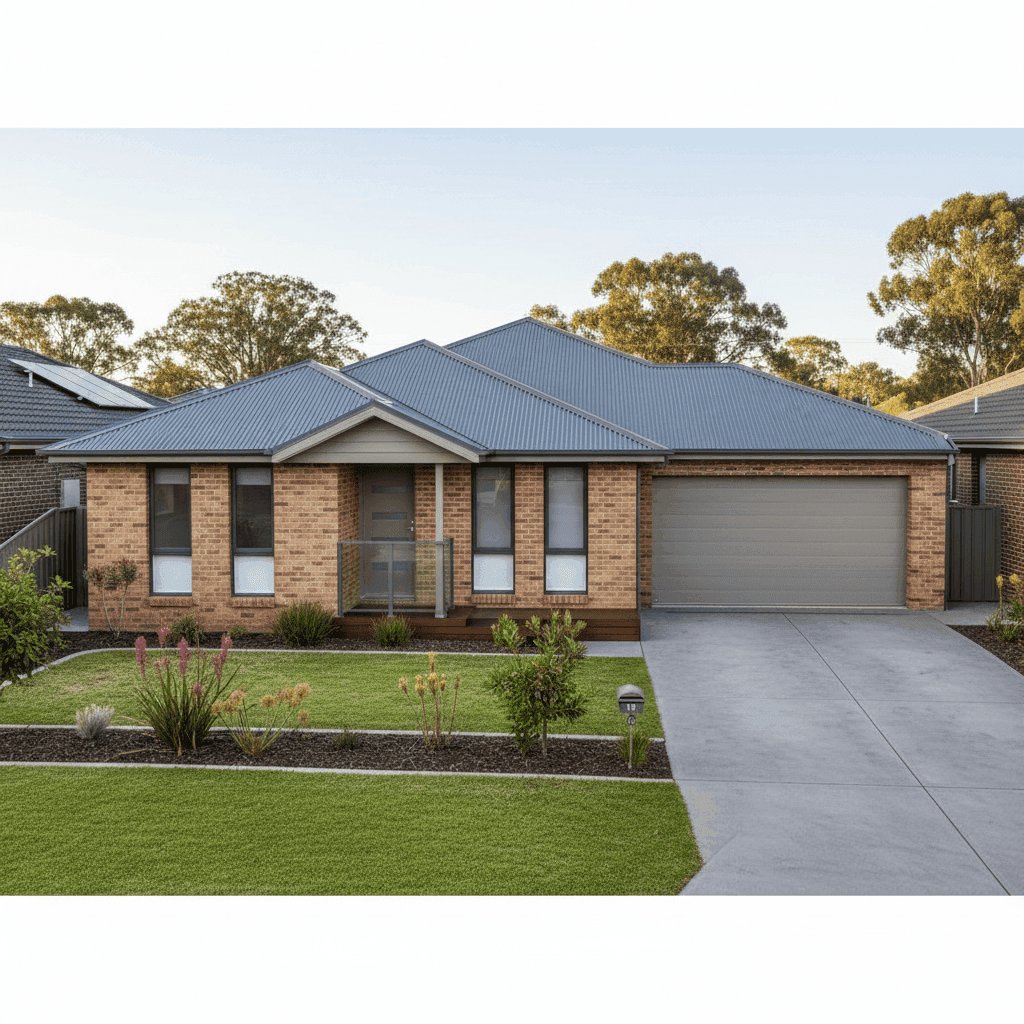
If you own a free standing home in Wyee, NSW 2259, you're probably curious whether the home insurance premium you've been quoted is actually competitive — or whether you're leaving money on the table. In this article, we break down a real home and contents insurance quote for a four-bedroom, two-bathroom brick veneer home in Wyee, comparing it against local, state, and national benchmarks so you can make a truly informed decision.
---
Is This Quote Fair?
The short answer: yes — this is a very competitive quote.
The annual premium for this property came in at $2,966 per year (or roughly $284 per month), covering both building (sum insured: $666,000) and contents ($99,000). CoverClub's price rating for this quote is CHEAP — below average for the area, which is a strong result for a property of this size and construction type.
To put that in context, the suburb average premium in Wyee sits at $3,779 per year, with a median of $3,682. That means this quote is approximately $813 below the suburb average — a saving of around 21%. Even compared to the suburb's 25th percentile (the cheapest quarter of quotes) of $3,120 per year, this quote still comes in well under that threshold, placing it firmly among the most affordable options available in the area.
For homeowners weighing up whether to accept a quote or shop around further, a result like this is genuinely worth taking seriously. That said, price alone shouldn't be the only consideration — policy inclusions, exclusions, and excess levels all matter too. This quote carries a $2,000 building excess and a $2,000 contents excess, which is on the higher side and worth factoring into your decision.
---
How Wyee Compares
Understanding how Wyee stacks up against broader benchmarks gives important context to any quote you receive. Here's a snapshot:
| Benchmark | Average Premium | Median Premium |
|---|---|---|
| Wyee (suburb) | $3,779/yr | $3,682/yr |
| Cessnock LGA | $2,462/yr | — |
| NSW (state) | $9,528/yr | $3,770/yr |
| National | $5,347/yr | $2,764/yr |
A few things stand out here. The NSW state average of $9,528 is dramatically higher than both the state median ($3,770) and the Wyee suburb average — a strong indicator that NSW premiums are skewed upward by high-risk coastal and flood-prone areas pulling the average up. Wyee itself sits in a relatively moderate-risk zone by comparison.
Interestingly, the Cessnock LGA average of $2,462 is actually lower than the Wyee suburb average, suggesting that premiums can vary quite a bit even within the same local government area depending on specific suburb risk profiles.
At the national level, the average of $5,347 is heavily influenced by Queensland and Northern Territory properties in cyclone and flood zones. The national median of $2,764 is a more grounded comparison point, and this quote at $2,966 sits just slightly above that — still a solid result.
You can explore more detailed data on the Wyee suburb insurance stats page, the NSW state overview, or the national insurance statistics.
---
Property Features That Affect Your Premium
Several characteristics of this property work in the homeowner's favour when it comes to insurance pricing:
Brick Veneer Construction Brick veneer is one of the most common — and insurer-friendly — wall materials in Australia. It offers solid fire resistance and structural durability, which typically translates to lower premiums compared to timber-framed or weatherboard homes.
Steel/Colorbond Roof A Colorbond steel roof is viewed favourably by insurers. It's highly durable, resistant to fire and storm damage, and has a long lifespan. Compared to older tile roofs or asbestos materials, Colorbond is generally associated with lower claim risk.
Concrete Slab Foundation Slab foundations are stable and widely used in NSW. They don't carry the same subsidence or termite-entry risks that can be associated with raised timber stumped foundations, which can contribute to lower premiums.
Construction Year: 1993 At around 30 years old, this home sits in a middle ground — old enough that some wear may be factored in, but not so old that it pre-dates modern building codes. Homes built in the 1990s generally comply with reasonable structural standards, which insurers tend to view as moderate risk.
Ducted Climate Control The presence of ducted air conditioning is worth noting. While it adds to the replacement cost of the building (and is reflected in the sum insured), it doesn't significantly inflate risk profiles for insurers — though it does mean the building sum insured needs to account for the system's replacement value.
No Pool, No Solar Panels The absence of a swimming pool removes a common liability risk factor, and no solar panels means one fewer system that could be damaged or cause issues during storms. Both of these keep the risk profile clean.
Standard Fittings Standard-quality fittings (as opposed to premium or high-end finishes) generally result in a lower sum insured requirement, which can help keep premiums in check.
---
Tips for Homeowners in Wyee
Whether you're reviewing your current policy or shopping around for the first time, here are some practical steps to get the most out of your home insurance:
- Review your sum insured regularly. Building costs have risen significantly in recent years. Make sure your $666,000 sum insured genuinely reflects what it would cost to rebuild your home from scratch — including demolition, materials, and labour. Underinsurance is one of the most common and costly mistakes Australian homeowners make.
- Consider the impact of your excess. A $2,000 excess on both building and contents is relatively high. While a higher excess typically reduces your annual premium, it also means you'll be out of pocket more if you need to make a claim. Think about whether that trade-off suits your financial situation.
- Check for flood and storm coverage. The Central Coast and Hunter regions of NSW can experience significant rainfall events. Confirm whether your policy includes flood cover (not just storm damage) — these are often treated as separate risks by insurers.
- Don't auto-renew without comparing. Even if your current quote is competitive, the insurance market shifts every year. Spending 10–15 minutes comparing quotes at renewal time could save you hundreds of dollars annually without sacrificing coverage quality.
---
Compare Home Insurance Quotes in Wyee
Whether this quote is yours or you're simply researching what's typical for the area, CoverClub makes it easy to see how different insurers price your specific property. Our platform analyses real quotes across multiple providers so you can find the right balance of price and cover. Get a home insurance quote today and see how your premium stacks up.