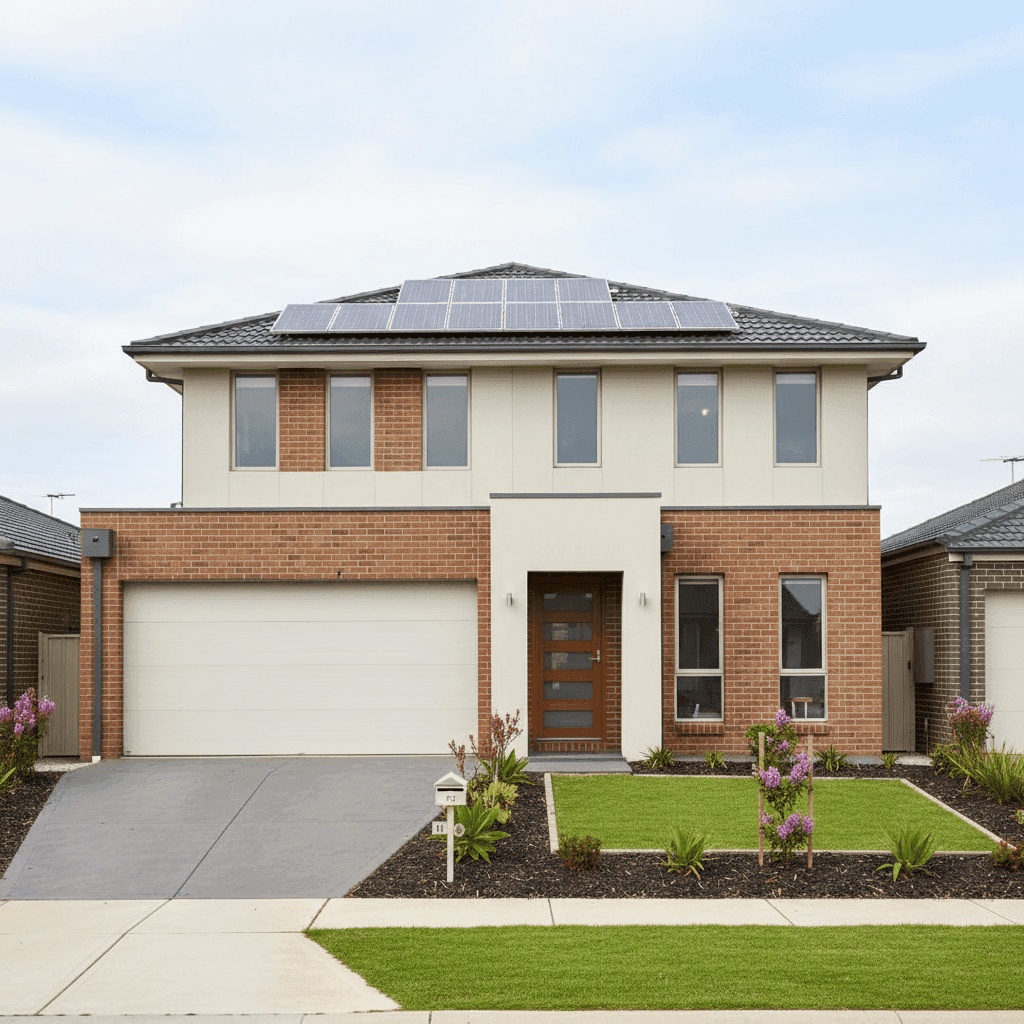
Wyndham Vale is one of Melbourne's fastest-growing outer-western suburbs, and with new housing estates continuing to expand across the Melton and Wyndham corridors, more homeowners are asking the same question: am I paying a fair price for home insurance? This article takes a close look at a real home and contents insurance quote for a four-bedroom, free-standing home in Wyndham Vale (VIC 3024) — and puts the numbers into context using suburb, state, and national benchmarks.
---
Is This Quote Fair?
The quote in question comes in at $947 per year (or roughly $88 per month) for combined home and contents cover, with a building sum insured of $595,000 and contents valued at $78,000. Our price rating for this quote is CHEAP — below average for the area.
To put that plainly: this homeowner is paying significantly less than most of their neighbours for a comparable level of cover. That's a genuinely good outcome, and it's worth understanding why before assuming every insurer will offer the same deal.
The building excess sits at $3,000 and the contents excess at $1,000. Higher excesses are one of the most common levers insurers use to bring premiums down — so while the annual cost looks attractive, it's worth keeping in mind that any claim would require a meaningful out-of-pocket contribution before the insurer steps in. For homeowners with strong emergency savings, this trade-off can make a lot of sense. For others, it may be worth requesting a lower excess option and comparing the adjusted premium.
---
How Wyndham Vale Compares
The numbers tell a compelling story. According to data from CoverClub's Wyndham Vale suburb stats, based on a sample of 59 quotes in the 3024 postcode:
| Benchmark | Annual Premium |
|---|---|
| This quote | $947 |
| Suburb 25th percentile | $1,204 |
| Suburb median | $1,423 |
| Suburb average | $1,529 |
| Suburb 75th percentile | $1,788 |
| LGA (Melton) average | $1,803 |
This quote sits well below even the cheapest quarter of quotes collected in the suburb — a strong indicator that the homeowner has either shopped around effectively, or benefited from favourable property characteristics that insurers reward with lower premiums.
Zooming out further, the contrast becomes even more striking. The Victorian state average for home insurance sits at $2,921 per year, with a median of $2,694. At the national level, Australians are paying an average of $2,965 per year — more than three times the cost of this particular quote.
Wyndham Vale itself is notably more affordable to insure than the Victorian average, which is partly a reflection of its geography — it's not exposed to the elevated bushfire, flood, or cyclone risks that push premiums up dramatically in other parts of the state and country. That said, even within the suburb, this quote stands out as exceptionally competitive.
---
Property Features That Affect Your Premium
Several characteristics of this property work in the homeowner's favour from an insurance pricing perspective.
New construction (2024): A brand-new home is one of the strongest signals to an insurer that a property is low risk. Modern builds must comply with current Australian Standards for construction, fire resistance, and structural integrity. There are no ageing pipes, outdated wiring, or weathered roofing materials to worry about — all common contributors to claims.
Brick veneer walls and tiled roof: This combination is considered the gold standard for residential construction in Australia. Brick veneer offers excellent fire resistance and structural durability, while concrete or terracotta tiles are far more resilient than Colorbond or corrugated iron in many weather scenarios. Insurers typically price this construction type favourably.
Slab foundation: A concrete slab is a straightforward, well-understood foundation type for insurers. It carries fewer risks than older pier-and-beam or strip footing systems, particularly in areas with reactive clay soils — which are common across Melbourne's western growth corridor.
Solar panels: While solar panels add value to the property and are worth insuring, they can sometimes nudge premiums slightly upward due to the cost of replacement. It's worth confirming with your insurer that your solar system is explicitly included in your building sum insured.
Ducted climate control: Similarly, ducted heating and cooling systems are a significant asset that adds to the replacement cost of a home. Ensuring your $595,000 building sum insured accurately reflects the full cost to rebuild — including systems like this — is essential to avoiding underinsurance.
No pool, no cyclone risk zone: The absence of a pool removes a common liability and maintenance-related risk factor. And being outside a designated cyclone risk area (relevant primarily to northern Australia) keeps this property in a lower-risk category for extreme weather events.
---
Tips for Homeowners in Wyndham Vale
1. Review your building sum insured regularly. Construction costs across Victoria have risen sharply in recent years. A $595,000 sum insured may be appropriate today, but it's worth reassessing annually — especially for a new build where the full replacement cost should account for labour, materials, demolition, and professional fees. Underinsurance is one of the most common and costly mistakes Australian homeowners make.
2. Check that your solar panels are covered. Solar installations are often a grey area in home insurance policies. Some insurers cover them automatically as part of the building; others require them to be separately listed. Review your Product Disclosure Statement (PDS) carefully and contact your insurer if you're unsure.
3. Compare quotes at renewal, not just at purchase. The fact that this quote is well below the suburb average suggests that shopping around makes a real difference. Insurers regularly adjust their pricing models, and loyalty doesn't always translate to better rates. Use a comparison tool like CoverClub to benchmark your renewal premium before automatically accepting it.
4. Consider whether your excess level suits your situation. A $3,000 building excess is on the higher end of the spectrum. If you'd prefer lower out-of-pocket costs in the event of a claim, ask your insurer what the premium would look like with a $1,000 or $2,000 excess. The difference in annual premium may be smaller than you expect.
---
Get Your Own Quote
Whether you're a new homeowner in Wyndham Vale or simply due for a renewal check, it pays to compare. CoverClub makes it easy to see how your current premium stacks up against real quotes from across the suburb and state. Start comparing home insurance quotes today — it only takes a few minutes and could save you hundreds of dollars a year.