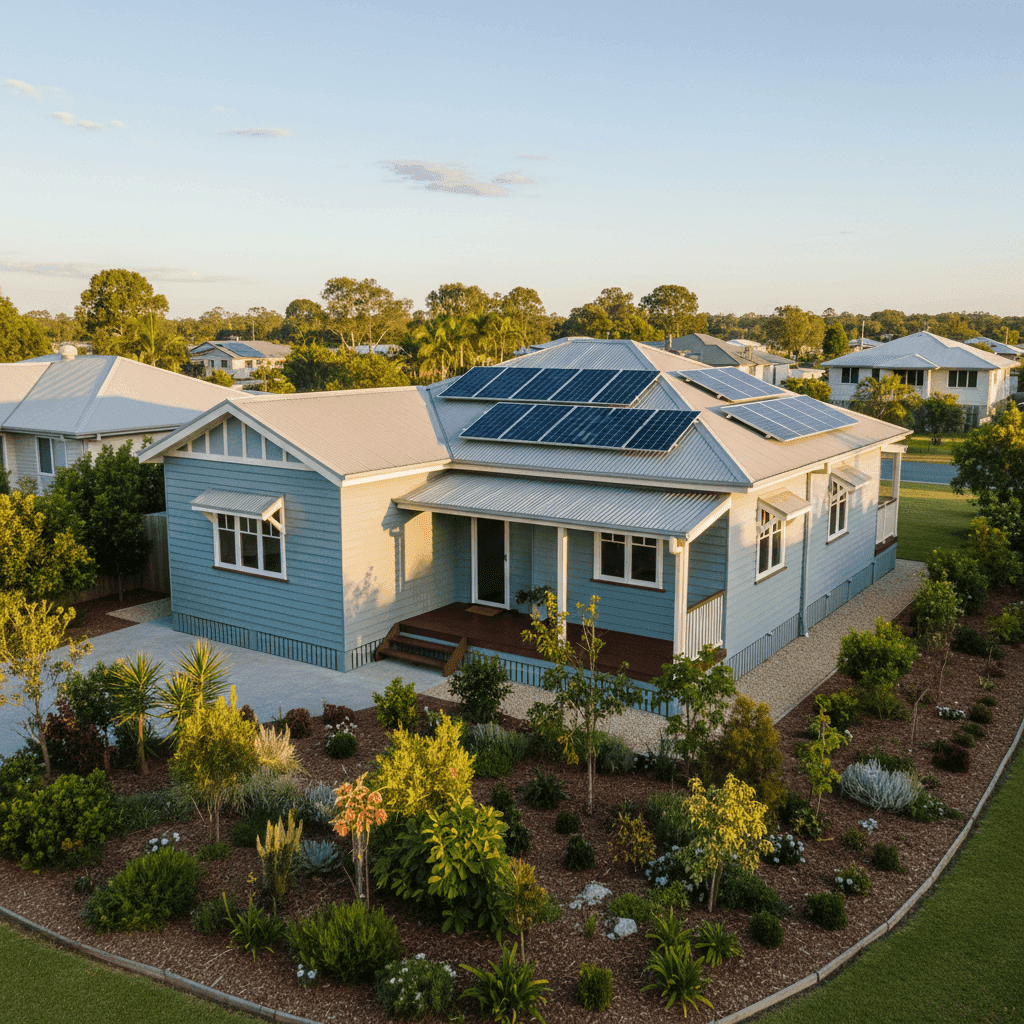
If you own a free standing home in Yandaran, QLD 4673, you've probably wondered whether you're paying too much — or too little — for home insurance. Premiums in Queensland can vary enormously depending on your location, property construction, and the level of cover you choose. To help demystify the numbers, we've analysed a real home and contents insurance quote for a two-bedroom, weatherboard home in this small Bundaberg-region suburb, and compared it against local, state, and national benchmarks.
---
Is This Quote Fair?
The quote in question comes in at $1,445 per year (or around $147 per month) for combined home and contents cover — with a building sum insured of $354,000 and contents valued at $50,000. The building excess is $3,000 and the contents excess is $1,000.
Our price rating for this quote? Cheap — below average. That's genuinely good news for the homeowner.
To put it in context: the suburb average for Yandaran sits at $2,032 per year, and the suburb median is $1,766 per year. This quote lands well below both figures — it's even beneath the 25th percentile of $1,598 per year, meaning it's cheaper than at least 75% of quotes we've recorded in the area. For a homeowner carrying a solid level of cover, that's a meaningful saving.
It's worth noting the excess structure here. A $3,000 building excess is on the higher side and is likely one of the levers pulling the annual premium down. Higher excesses reduce the insurer's exposure to small claims, which is reflected in a lower upfront cost. Whether that trade-off suits you depends on your financial position — but for many homeowners, it's a sensible strategy if you can comfortably cover a larger out-of-pocket cost in the event of a claim.
---
How Yandaran Compares
The numbers tell an interesting story when you zoom out beyond the suburb level.
| Benchmark | Premium |
|---|---|
| This quote | $1,445/yr |
| Yandaran suburb average | $2,032/yr |
| Yandaran suburb median | $1,766/yr |
| LGA (Bundaberg) average | $3,464/yr |
| QLD state average | $9,129/yr |
| QLD state median | $3,903/yr |
| National average | $5,347/yr |
| National median | $2,764/yr |
Queensland is one of the most expensive states in Australia for home insurance — the state average of $9,129 per year is nearly double the national average of $5,347. This is largely driven by the prevalence of cyclone-prone and flood-affected postcodes across the state, which push premiums dramatically upward in many areas.
Yandaran, however, benefits from a more moderate risk profile. The suburb's median of $1,766 sits comfortably below even the national median of $2,764 — a significant advantage for local homeowners. This quote, at $1,445, undercuts that already-competitive suburb median by more than $300 per year.
The Bundaberg LGA average of $3,464 is notably higher than Yandaran's suburb figures, which suggests that other parts of the broader Bundaberg region carry more risk (flood and storm exposure being the most likely culprits). Yandaran's position within the LGA appears relatively favourable.
Note: The suburb sample size is seven quotes, so suburb-level figures should be treated as indicative rather than definitive. As more data is collected, these averages will become more precise.
---
Property Features That Affect Your Premium
Several characteristics of this particular property are worth unpacking, as they each play a role in how insurers price the risk.
Weatherboard timber walls are a common construction type in older Queensland homes, and this one — built in 1990 — is no exception. Timber-clad homes can attract slightly higher premiums than brick veneer or double-brick construction, as they carry a greater susceptibility to fire and pest damage. That said, weatherboard homes are well understood by Australian insurers and remain readily insurable.
Steel/Colorbond roofing is generally viewed favourably by insurers. It's durable, low-maintenance, and performs well in high-wind events compared to older materials like terracotta tiles. This is a genuine positive for the property's risk profile.
Slab foundation is the standard for Queensland homes of this era and presents no particular concern for insurers. Combined with tiled flooring, the home has a practical, hard-wearing interior that holds up well in Queensland's warm, humid climate.
Solar panels are present on the roof, which is increasingly common across Queensland. It's important to confirm with your insurer whether your solar system is included under the building sum insured or requires separate cover — policies vary, and the replacement cost of a solar system can be substantial.
The property is not in a designated cyclone risk area, which is a significant factor in keeping premiums manageable. Many Queensland postcodes — particularly along the coast north of Rockhampton — attract cyclone loading that can add hundreds or even thousands of dollars to an annual premium. Yandaran's classification here is a clear advantage.
At 105 square metres, this is a modestly sized home, and the building sum insured of $354,000 reflects a reasonable per-square-metre rebuild cost. Homeowners should periodically review their sum insured to ensure it keeps pace with rising construction costs — underinsurance remains one of the most common and costly mistakes Australian homeowners make.
---
Tips for Homeowners in Yandaran
1. Review your sum insured annually Construction costs in regional Queensland have risen sharply in recent years. What was adequate cover two or three years ago may no longer be sufficient to fully rebuild your home. Use a building cost calculator or speak with a local builder to get a realistic sense of current rebuild costs in the area.
2. Confirm your solar panels are covered Check your policy documents carefully to understand how your solar system is treated. Some policies automatically include solar as part of the building; others require it to be specified separately. Given the replacement cost of a typical solar installation, it's not something you want to discover is excluded after a claim.
3. Consider whether your excess level suits your situation The $3,000 building excess on this policy is helping to keep the premium down, but it means you'd need to cover the first $3,000 of any building claim yourself. If you'd prefer a lower out-of-pocket cost in a worst-case scenario, it may be worth requesting a quote with a lower excess — just be prepared for the premium to rise accordingly.
4. Shop around at renewal time Even if you're happy with your current insurer, it pays to compare quotes each year. Insurers regularly adjust their pricing models, and loyalty doesn't always translate to the best rate. Platforms like CoverClub make it straightforward to see how your current premium stacks up against the market.
---
Ready to Compare?
Whether you're a first-time buyer or a long-term Yandaran resident, making sure you have the right cover at a competitive price is one of the most important things you can do to protect your home. Head to CoverClub to get your own home insurance quote and see how it compares to what others in your suburb are paying. You can also explore detailed premium data for Yandaran, the broader Queensland market, and national benchmarks — all in one place.