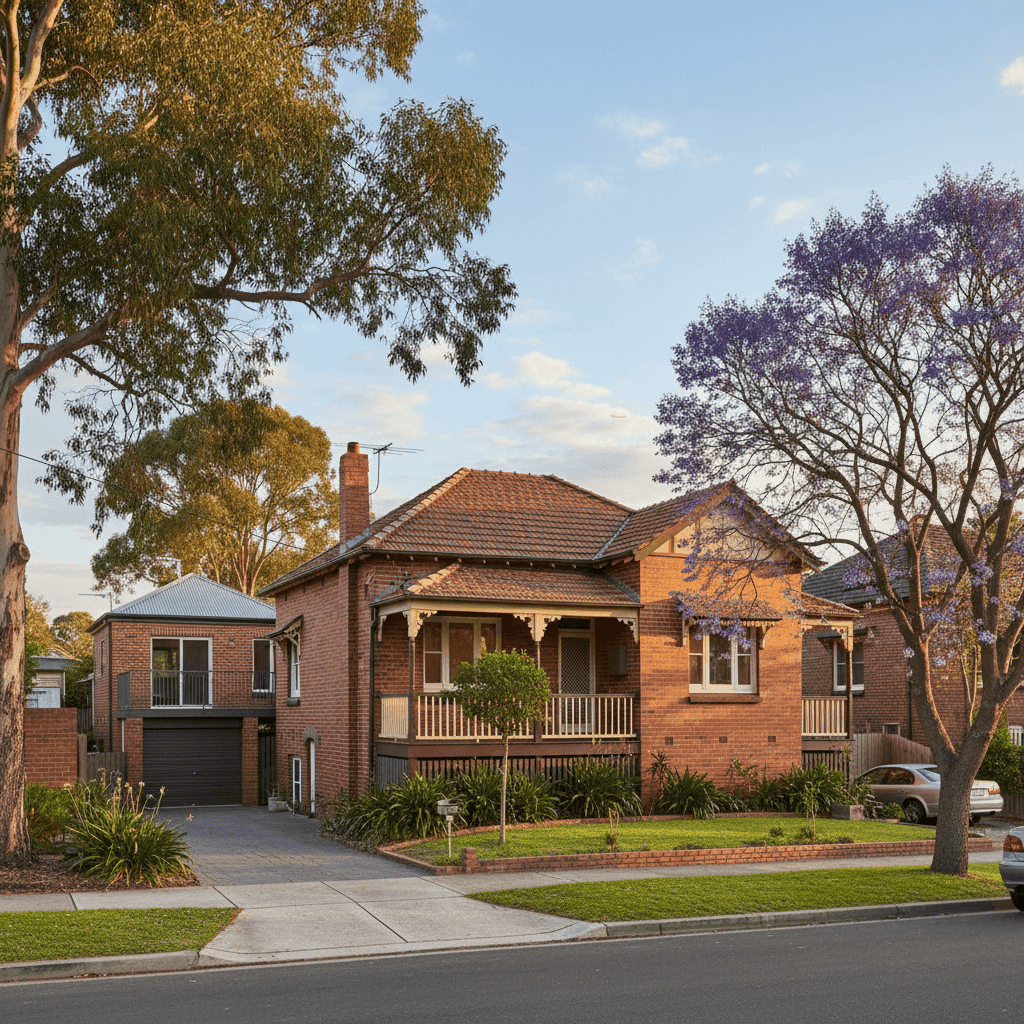
Yarraville is one of Melbourne's most characterful inner-west suburbs — a mix of heritage workers' cottages, post-war brick homes, and a buzzing village strip that's made it a perennial favourite for families and renovators alike. If you own a free standing home here, understanding what you should be paying for building insurance is essential. This article breaks down a real quote for a four-bedroom, three-bathroom brick veneer home in Yarraville (postcode 3013), and puts the numbers into context so you can judge whether your own premium stacks up.
---
Is This Quote Fair?
The annual premium for this property came in at $1,572 per year (or roughly $167 per month), covering the building only with a sum insured of $750,000 and a $3,000 excess. CoverClub's pricing engine rates this as Fair — Around Average, and the data backs that up.
Within the Yarraville suburb, the average premium sits at $1,803/yr and the median at $1,652/yr. This quote lands below both, which is a solid outcome. It sits comfortably between the 25th percentile ($1,200/yr) and the 75th percentile ($2,194/yr) — meaning it's neither a standout bargain nor cause for concern. For a property of this size and age, paying close to the median is a reasonable result, particularly given the features involved (more on those below).
The "Fair" rating reflects that there's likely room to find a modestly cheaper option if you shop around, but you're not being significantly overcharged either. Homeowners in the bottom quartile are paying around $1,200/yr — a gap of roughly $370 — so it's worth comparing a few insurers to see if you can nudge this premium down without sacrificing cover quality.
---
How Yarraville Compares to the Rest of Victoria and Australia
One of the more reassuring findings here is just how affordable Yarraville is relative to broader benchmarks. Based on data from 63 quotes collected in the suburb:
| Benchmark | Average Premium | Median Premium |
|---|---|---|
| Yarraville (3013) | $1,803/yr | $1,652/yr |
| LGA (Maribyrnong) | $1,816/yr | — |
| Victoria | $3,000/yr | $2,718/yr |
| National | $5,347/yr | $2,764/yr |
The Victorian state average of $3,000/yr is nearly double what Yarraville homeowners typically pay — a significant difference that reflects the high-risk areas pulling the state average upward (think flood-prone regional towns and bushfire zones). Compared to the national average of $5,347/yr, Yarraville looks extremely affordable, though it's worth noting that the national figure is heavily influenced by northern Queensland premiums where cyclone risk is priced in aggressively.
The Maribyrnong LGA average of $1,816/yr is almost identical to the Yarraville suburb average, suggesting pricing is fairly consistent across the local government area — good news if you're comparing properties within the same council zone.
---
Property Features That Affect Your Premium
Several characteristics of this particular home influence where the premium lands. Here's how they play out:
Brick Veneer Construction (1972) Brick veneer is generally viewed favourably by insurers — it's durable, fire-resistant, and widely understood by assessors. However, homes built in the early 1970s may have older wiring, plumbing, or structural elements that can attract slightly higher premiums than a modern equivalent. The 1972 construction year is worth keeping an eye on if you haven't had an electrical inspection recently.
Tiled Roof Terracotta or concrete tiles are among the most insurer-friendly roofing materials in Australia. They're resilient, long-lasting, and relatively inexpensive to repair compared to alternatives like slate or metal. This will be working in the homeowner's favour.
Stump Foundation This is a notable feature. Homes on stumps (also called pier or post foundations) are common in inner Melbourne and can be more susceptible to movement, subsidence, and moisture-related issues over time. Insurers factor this in, and it may contribute marginally to the premium compared to a concrete slab equivalent. Regular stump inspections are a smart investment.
Granny Flat The presence of a granny flat adds to the overall replacement cost of the property, which is reflected in the $750,000 sum insured. It's important that the granny flat is explicitly covered under the building policy — check the product disclosure statement (PDS) carefully to confirm this.
Ducted Climate Control Ducted heating and cooling systems are fixed building improvements that add to the replacement value of the home. They're typically covered under building insurance, but again, worth confirming with your insurer.
No Pool, No Solar Panels Both pools and solar panel systems can add complexity and cost to a building policy. The absence of these features keeps things simpler and likely contributes to a more competitive premium.
Elevated Less Than 1 Metre The slight elevation is common for stump-based homes and doesn't trigger any significant flood or storm surge loading in this context. It's a neutral factor here.
---
Tips for Homeowners in Yarraville
1. Review your sum insured annually Building costs in Melbourne's inner west have risen sharply in recent years. A $750,000 sum insured may be appropriate today, but it should be revisited each year — particularly if you've done any renovations or improvements to the granny flat or main dwelling. Underinsurance is one of the most common and costly mistakes homeowners make.
2. Get your stumps inspected If you haven't had a professional stump inspection in the last few years, it's worth organising one. Timber stumps can rot or shift over time, and some insurers may exclude or limit cover for gradual movement damage. Proactive maintenance protects both your home and your claim eligibility.
3. Compare quotes before renewal A "Fair" rating means this premium is in the right ballpark — but it doesn't mean it's the best available. Insurers price risk differently, and switching at renewal (or even mid-term in some cases) can yield meaningful savings. Use CoverClub to compare quotes for your address and see what else is on the market.
4. Consider a higher excess to reduce your premium The $3,000 excess on this policy is already on the higher side, which is one reason the premium is relatively competitive. If cash flow allows, accepting a slightly higher excess in exchange for a lower annual premium can make sense for homeowners who are unlikely to make small claims.
---
Ready to See What You Could Pay?
Whether you're renewing your existing policy or shopping for the first time, comparing quotes is the single most effective way to make sure you're not overpaying. CoverClub aggregates real pricing data from across Australia, so you can see exactly where your premium sits relative to your neighbours — not just a rough estimate.
Get a home insurance quote for your Yarraville property and find out if you're getting the best deal available.