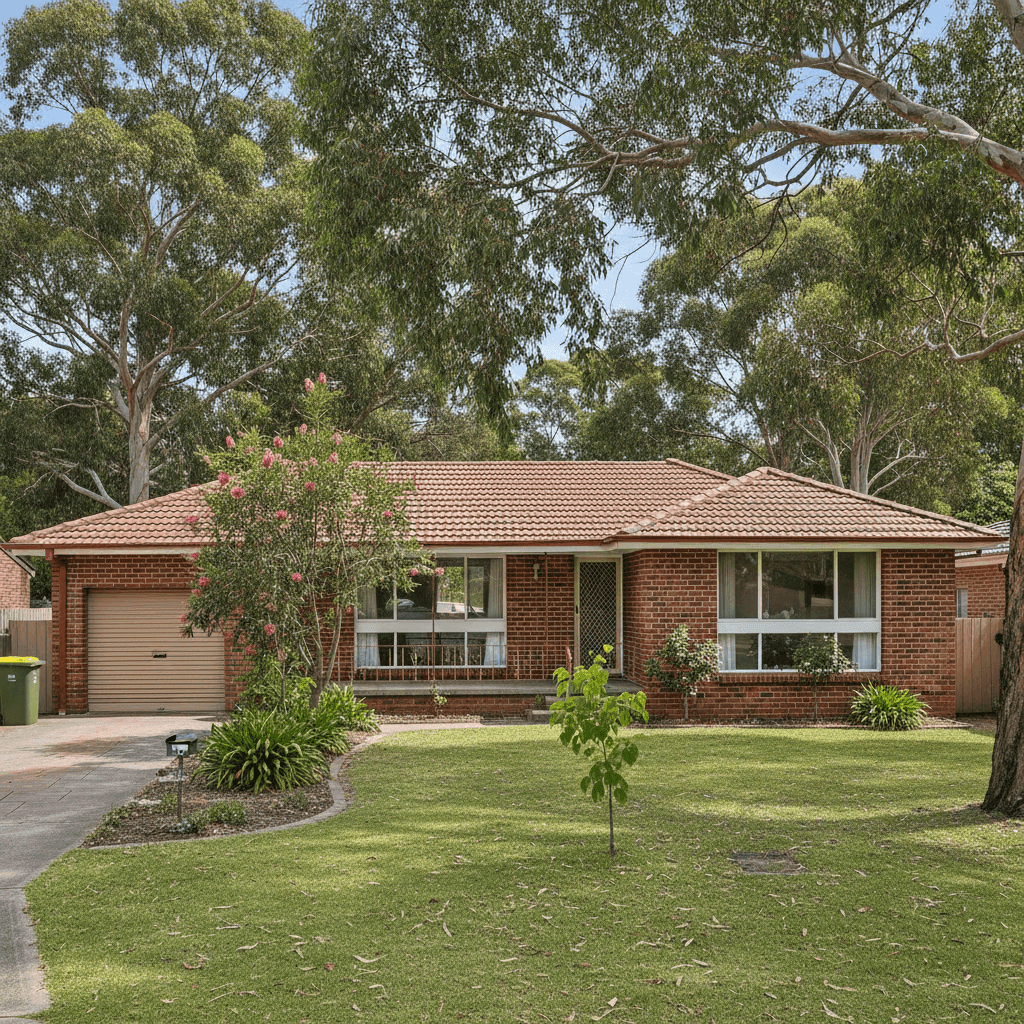
Yarrawarrah is a quiet, leafy suburb tucked into the Sutherland Shire in southern Sydney — known for its bushland surroundings, established streetscapes, and predominantly owner-occupied homes. If you own a free standing home here, understanding what you should be paying for home and contents insurance is just as important as finding the right policy. This article breaks down a real quote for a four-bedroom brick veneer home in Yarrawarrah, compares it against local, state, and national benchmarks, and offers practical guidance for getting better value on your cover.
---
Is This Quote Fair?
The quote in question comes in at $4,003 per year (or $391 per month) for combined home and contents insurance — covering a building sum insured of $962,000 and contents valued at $216,000. The building excess is $2,000 and the contents excess is $1,000.
Our price rating for this quote is Expensive (Above Average).
To put that in perspective: the average home and contents premium across Yarrawarrah sits at around $3,066 per year, with a suburb median of $3,197. This quote is roughly $806 above the suburb average — a meaningful gap that suggests there may be room to shop around.
At the state level, the NSW average premium is $3,801 per year, which means this quote also sits above what most New South Wales homeowners are paying. Compared to the national average of $2,965, the quote is $1,038 higher — a significant premium over the broader Australian market.
That said, "expensive" doesn't necessarily mean "wrong." Higher sums insured, particularly a building value close to $1 million, will naturally push premiums up. The key question is whether the price reflects the actual risk and replacement cost — or whether a comparable policy could be found for less.
---
How Yarrawarrah Compares
Here's a snapshot of how this quote stacks up across different benchmarks:
| Benchmark | Annual Premium |
|---|---|
| This Quote | $4,003 |
| Yarrawarrah Suburb Average | $3,066 |
| Yarrawarrah Suburb Median | $3,197 |
| Sutherland LGA Average | $3,650 |
| NSW State Average | $3,801 |
| NSW State Median | $3,410 |
| National Average | $2,965 |
| National Median | $2,716 |
A few things stand out here. First, Yarrawarrah's suburb average ($3,066) is actually below the NSW state average ($3,801), which suggests that local risk factors — such as the absence of cyclone exposure and relatively stable flood profiles — keep premiums reasonably contained for most properties in the area.
Second, the Sutherland LGA average of $3,650 is a useful middle-ground reference: it's above the suburb average but below this particular quote, reinforcing the "above average" rating.
It's worth noting the suburb sample size is relatively small (5 quotes), so the local averages should be treated as indicative rather than definitive. For deeper suburb-level data, visit the Yarrawarrah insurance stats page.
---
Property Features That Affect Your Premium
Several characteristics of this property have a direct bearing on the premium calculated. Here's how each one factors in:
Brick Veneer Walls
Brick veneer is one of the more common external wall types in Sydney's southern suburbs. It offers reasonable fire resistance and durability, which insurers generally view favourably. It's not as robust as full brick construction, but it's a step above lightweight cladding materials when it comes to risk assessment.
Tiled Roof
Terracotta or concrete tiles are a standard roofing material across Sutherland Shire homes from the 1980s. Tiles are considered low-to-medium risk by most insurers — they're durable and fire-resistant, though they can be susceptible to cracking under impact. A 1985 roof may also be approaching the age where insurers start factoring in maintenance considerations.
Slab Foundation
A concrete slab is the most common foundation type for homes of this era in NSW. It's generally considered stable and low-risk, particularly in areas without significant subsidence or expansive soil concerns. This is unlikely to be a premium driver.
Construction Year: 1985
Homes built in the mid-1980s sit in an interesting bracket for insurers. They're old enough that some systems (plumbing, electrical, roofing) may be nearing end-of-life, but not so old that they predate modern building standards. Keeping up with maintenance and having records of any upgrades can help when negotiating your premium.
Building Size: 235 sqm
At 235 square metres, this is a sizeable family home. Larger floor areas directly increase the cost to rebuild, which feeds into the building sum insured and, by extension, the premium. The $962,000 sum insured reflects both the size and the current cost of construction in the Sydney market.
Ducted Climate Control
The presence of ducted climate control is worth noting — it's a fixed asset that adds to the building's replacement value and is factored into the sum insured. It's also a system that can be expensive to repair or replace, which some insurers account for in their risk modelling.
No Pool, No Solar Panels
The absence of a pool removes a liability and maintenance risk that can add to premiums. Similarly, no solar panels means there's no additional electrical infrastructure to insure. Both are minor but positive factors from a pricing standpoint.
---
Tips for Homeowners in Yarrawarrah
1. Compare Multiple Quotes Before Renewing
The most effective way to reduce your premium is simply to shop around. Given this quote sits above both the suburb and state averages, running a comparison across several insurers could reveal materially cheaper options for equivalent cover. Get a quote through CoverClub to see how different providers price your specific property.
2. Review Your Sum Insured Carefully
A building sum insured of $962,000 is substantial. Make sure this figure reflects the cost to rebuild — not the market value of the property. Overcoverage is a common reason premiums run higher than necessary. Use a building calculator or speak to a quantity surveyor if you're unsure of the right figure.
3. Consider Your Excess Settings
This policy carries a $2,000 building excess and a $1,000 contents excess. Opting for a higher voluntary excess is one of the most straightforward levers for reducing your annual premium. If you have the financial buffer to absorb a larger out-of-pocket cost in the event of a claim, a higher excess could deliver meaningful savings.
4. Keep Maintenance Records Up to Date
For a home built in 1985, insurers may scrutinise the condition of the roof, plumbing, and electrical systems. Keeping records of repairs, upgrades, and inspections can support your case for a lower risk rating — and may help if you ever need to make a claim.
---
Find a Better Deal with CoverClub
Whether you're renewing your existing policy or comparing for the first time, CoverClub makes it easy to see how your quote stacks up and find more competitive options. Our data covers thousands of properties across NSW and Australia, so you can make an informed decision rather than simply accepting the first number you're given. Start comparing home insurance quotes today — it only takes a few minutes.