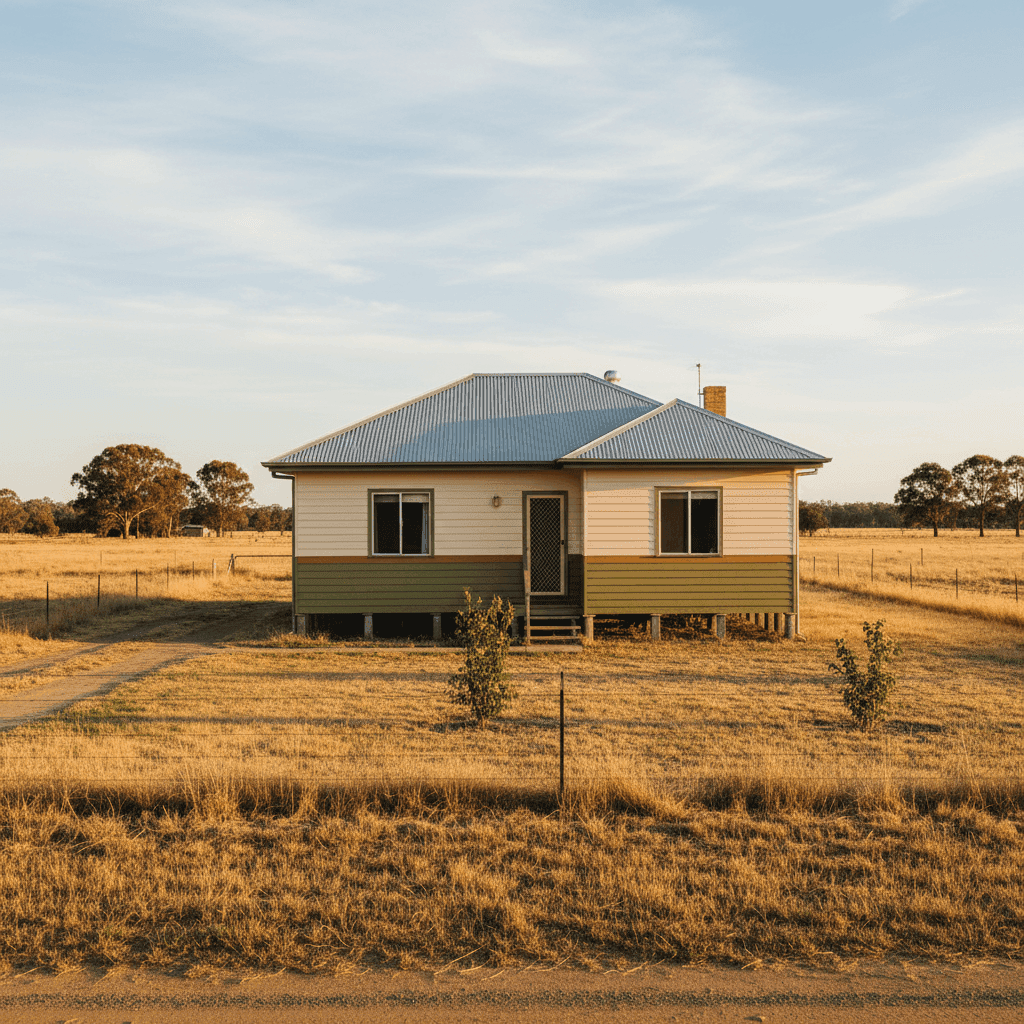
If you own a free standing home in Yarroweyah, VIC 3644, you're likely no stranger to the unique considerations that come with insuring a rural Victorian property. Nestled in the Berrigan LGA near the Murray River, Yarroweyah is a quiet agricultural community — but that doesn't mean home insurance is an afterthought. In this article, we analyse a recent Home and Contents insurance quote for a 3-bedroom, 1-bathroom free standing home in Yarroweyah, breaking down whether the price stacks up and what's driving the premium.
---
Is This Quote Fair?
The quote in question comes in at $2,212 per year (or $212/month), covering a building sum insured of $550,000 and contents valued at $50,000, with a $500 excess on both building and contents.
Our analysis rates this quote as CHEAP — below the suburb average — and that's a meaningful finding. Based on local Yarroweyah insurance data, the suburb average premium sits at $7,047/year, with a median of $6,846/year. This quote lands below even the 25th percentile for the suburb ($2,412/year), meaning it's more affordable than at least 75% of comparable quotes collected in the area.
In short: if you're paying around $2,212/year for this level of cover in Yarroweyah, you're getting a genuinely competitive deal.
---
How Yarroweyah Compares
To put this quote in proper context, it helps to zoom out and look at the broader picture.
| Benchmark | Premium |
|---|---|
| This Quote | $2,212/yr |
| Yarroweyah Suburb Average | $7,047/yr |
| Yarroweyah Suburb Median | $6,846/yr |
| Yarroweyah 25th Percentile | $2,412/yr |
| Berrigan LGA Average | $1,601/yr |
| VIC State Average | $3,000/yr |
| VIC State Median | $2,718/yr |
| National Average | $5,347/yr |
| National Median | $2,764/yr |
A few things stand out here. First, Yarroweyah's suburb average of $7,047 is notably high — well above both the Victorian state average of $3,000/year and the national average of $5,347/year. This suggests that some properties in the postcode attract very high premiums, likely due to flood or bushfire exposure, which can dramatically skew averages in small rural samples (only 17 quotes were collected for this suburb).
The Berrigan LGA average of $1,601/year is actually lower than this quote, which makes sense — LGA-level averages smooth out the extremes across a wider geographic area, and many properties in the LGA may be smaller or have lower sums insured.
This quote, at $2,212/year, sits in a sensible middle ground: above the LGA average (reflecting the higher sum insured), but well below the suburb's inflated mean. It's also comfortably below the Victorian state average and the national median — a strong result overall.
---
Property Features That Affect Your Premium
Several characteristics of this property are worth examining when it comes to insurance pricing.
Weatherboard Construction (1955)
Weatherboard timber homes are among the most common dwelling types in rural Victoria, but they do carry specific risk considerations. Timber is more susceptible to fire, rot, and pest damage than brick veneer or double brick construction. Insurers often apply a loading to weatherboard homes, particularly older ones. Built in 1955, this property is 70 years old — meaning wiring, plumbing, and structural elements may be ageing, which can increase the likelihood of an insurable event. That said, many weatherboard homes of this era are solidly built and well-maintained.
Steel/Colorbond Roof
The steel Colorbond roof is a positive factor. Colorbond is durable, low-maintenance, and performs well in harsh Australian conditions. Compared to older tile or corrugated iron roofs, Colorbond is less prone to leaking and easier to repair, which insurers generally view favourably.
Stump Foundation
The property sits on stumps, which is typical of older homes in regional Victoria. Stump foundations can be vulnerable to movement, rot (if timber stumps), or pest damage over time. Concrete or steel stumps are more resilient. Homeowners with timber stumps should ensure they're regularly inspected, as subsidence or structural movement can complicate claims.
No Pool, Solar, or Ducted Climate Control
The absence of a swimming pool, solar panels, and ducted air conditioning keeps the risk profile relatively simple. These features, while common in newer homes, can add complexity and cost to a policy — so their absence here likely contributes to the competitive premium.
Building Size & Sum Insured
At 205 sqm with a $550,000 building sum insured, the coverage level is substantial. It's important to ensure this figure genuinely reflects the cost to rebuild the home (not its market value), including demolition, materials, and labour. In regional areas, rebuilding costs can sometimes be higher than expected due to contractor availability.
---
Tips for Homeowners in Yarroweyah
1. Review Your Rebuild Cost Regularly
Construction costs have risen significantly in recent years. If your sum insured hasn't been updated lately, you may be underinsured without realising it. Use a building cost calculator or ask your insurer to reassess the replacement value — especially for a 205 sqm home with older construction.
2. Get Your Stumps Inspected
If the home has original timber stumps from 1955, it's worth having a licensed building inspector assess them. Proactively replacing deteriorating stumps not only protects the structure but may also strengthen your position in the event of a claim.
3. Compare Quotes Before Renewal
Given the wide spread of premiums in Yarroweyah (from under $2,412 at the 25th percentile to over $9,756 at the 75th percentile), there's clearly significant variation between insurers. Don't auto-renew without checking alternatives — the difference could be thousands of dollars per year.
4. Consider Your Flood and Bushfire Exposure
Properties in the Yarroweyah area may have varying exposure to flood risk (given proximity to the Murray River system) and bushfire risk. Make sure your policy explicitly covers both, and check whether any exclusions or sub-limits apply. Some policies treat flood and storm surge differently, so reading the Product Disclosure Statement (PDS) carefully is essential.
---
Ready to Compare?
Whether you're reviewing your current policy or shopping for the first time, comparing quotes is the smartest way to ensure you're not overpaying. Get a home insurance quote at CoverClub and see how your premium stacks up against the latest data for Yarroweyah and beyond. With prices varying so widely in this postcode, a few minutes of comparison could make a real difference.