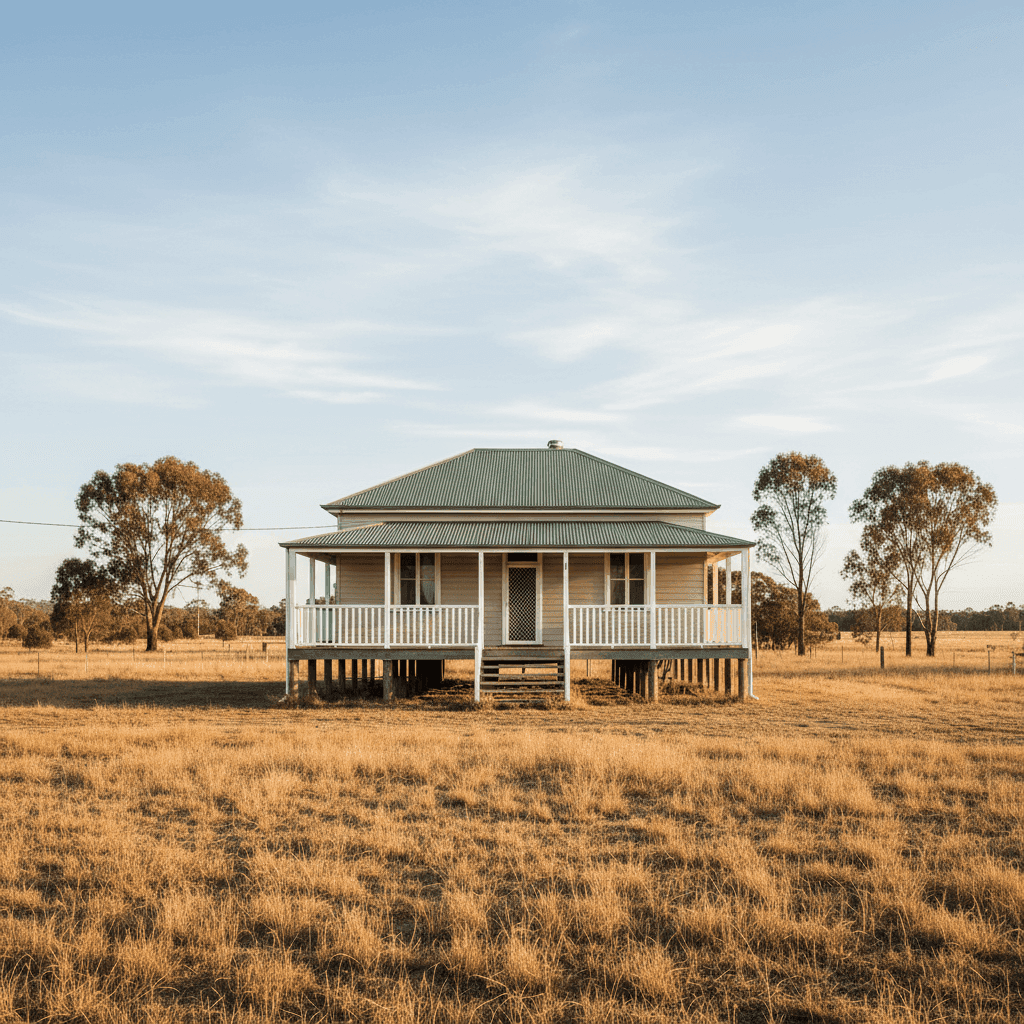
If you own a free standing home in Yelarbon, QLD 4388, you're likely no stranger to the realities of insuring a rural Queensland property. Sitting in the Goondiwindi region on the Darling Downs, Yelarbon is a quiet agricultural community — but that doesn't mean home insurance is straightforward or cheap. This article breaks down a real home and contents insurance quote for a three-bedroom, one-bathroom weatherboard home in Yelarbon, and puts the numbers into context so you can make a more informed decision about your own cover.
---
Is This Quote Fair?
The quote in question comes in at $3,113 per year (or $291 per month) for combined home and contents cover, with a building sum insured of $200,000 and contents valued at $50,000. Both the building and contents excess are set at $1,000.
Our price rating for this quote is FAIR — Around Average, and when you look at the data, that assessment holds up well. The quote sits noticeably below the Yelarbon suburb average of $4,613 per year and the suburb median of $4,576 per year. That's a saving of around $1,500 annually compared to what many other Yelarbon homeowners are paying — a meaningful difference for any household budget.
At the same time, it's worth noting that the cheapest quotes in the area (around the 25th percentile) come in at approximately $2,084 per year, so there is room to go lower. The upper end of the market in Yelarbon reaches $6,699 per year at the 75th percentile, which illustrates just how wide the pricing spread can be in a small regional community.
So while this isn't the cheapest quote on the market, it's comfortably below the local average — and that's a reasonable position to be in.
---
How Yelarbon Compares
To understand what's driving this premium, it helps to zoom out and look at the broader picture. You can explore detailed pricing data on the Yelarbon suburb stats page, the Queensland state overview, and national home insurance statistics.
Here's a quick snapshot:
| Benchmark | Average Premium |
|---|---|
| Yelarbon (suburb average) | $4,613/yr |
| Yelarbon (suburb median) | $4,576/yr |
| Goondiwindi LGA average | $3,954/yr |
| Queensland average | $4,547/yr |
| Queensland median | $3,931/yr |
| National average | $2,965/yr |
| National median | $2,716/yr |
| This quote | $3,113/yr |
A few things stand out here. First, Yelarbon's average premium is significantly higher than the national average — about 55% more expensive. This reflects the elevated risk profile of regional Queensland properties, where factors like flood exposure, storm damage, and distance from emergency services all push premiums upward.
Second, the quote we're analysing is actually below both the Queensland state average and the Goondiwindi LGA average, landing closer to the national median. For a rural Queensland property, that's a solid outcome. It suggests the insurer has priced this particular property's risk profile relatively favourably — possibly due to the specific construction type, the absence of a pool, and the non-cyclone-zone classification.
---
Property Features That Affect Your Premium
Several characteristics of this property will have influenced how insurers calculated the premium. Understanding these can help you anticipate how your own home might be rated.
Weatherboard timber walls are one of the most significant factors. Timber-framed homes — particularly older ones — are generally considered higher risk than brick veneer or double-brick construction. They're more susceptible to fire spread, termite damage, and structural degradation over time. Built in 1955, this home is now 70 years old, which adds another layer of complexity for underwriters assessing replacement costs and structural integrity.
Steel/Colorbond roofing is actually a positive from an insurer's perspective. Colorbond is durable, low-maintenance, and performs well in storms compared to older roofing materials like terracotta tiles or corrugated iron. It's likely helping to keep this premium from climbing higher.
Stumps foundation is common in older Queensland homes and contributes to the elevated-by-less-than-1m classification noted in this quote. While a raised foundation can offer some flood resilience, it also introduces specific risks — including subfloor ventilation issues, termite access points, and structural movement over time. Insurers factor all of this in.
Timber and laminate flooring throughout the home is relatively standard and doesn't dramatically alter the risk profile, though it does affect the cost of reinstatement if the home were to suffer significant water or fire damage.
Ducted climate control is worth noting — this is a fixed installation that adds value to the building sum insured and contributes to the overall premium. It's the kind of feature that's easy to underinsure if you're not careful about keeping your building sum insured up to date.
The absence of a pool and solar panels simplifies the risk profile, and the non-cyclone-zone classification is a meaningful cost advantage compared to coastal Queensland properties further north.
---
Tips for Homeowners in Yelarbon
Whether you're reviewing your existing policy or shopping for a new one, here are some practical steps worth considering.
1. Review your building sum insured regularly. A 130 sqm weatherboard home built in 1955 can be surprisingly expensive to rebuild to modern standards — especially in a regional area where labour and materials cost more to transport. Make sure your $200,000 sum insured reflects current construction costs, not what you paid for the property or what it was worth a decade ago. Underinsurance is one of the most common and costly mistakes homeowners make.
2. Compare multiple quotes — don't accept the first offer. As the data shows, premiums in Yelarbon vary enormously, from around $2,084 to over $6,699 per year. The difference between the cheapest and most expensive quote in this suburb is over $4,600 annually. Shopping around through a comparison platform like CoverClub can surface options you wouldn't find by going directly to a single insurer.
3. Consider the value of a higher excess. If your current excess is set at $1,000 and you have the financial capacity to absorb a larger out-of-pocket cost in the event of a claim, increasing your excess to $2,000 or more can meaningfully reduce your annual premium. Just make sure the savings are worth the trade-off for your situation.
4. Protect your home against storm and water damage. Rural Queensland properties — even those outside cyclone zones — are exposed to significant storm activity, particularly during summer. Ensure your gutters are clear, your roof is in good condition, and any subfloor areas beneath your stumped home are properly ventilated and pest-managed. Proactive maintenance can prevent claims and help keep your renewal premiums stable.
---
Ready to Compare Home Insurance in Yelarbon?
Whether your current premium feels too high or you're not sure if you're getting the right level of cover, CoverClub makes it easy to compare home and contents insurance quotes from multiple insurers in one place. Get a quote today and see how your premium stacks up against the Yelarbon suburb average — you might be surprised by what's available.