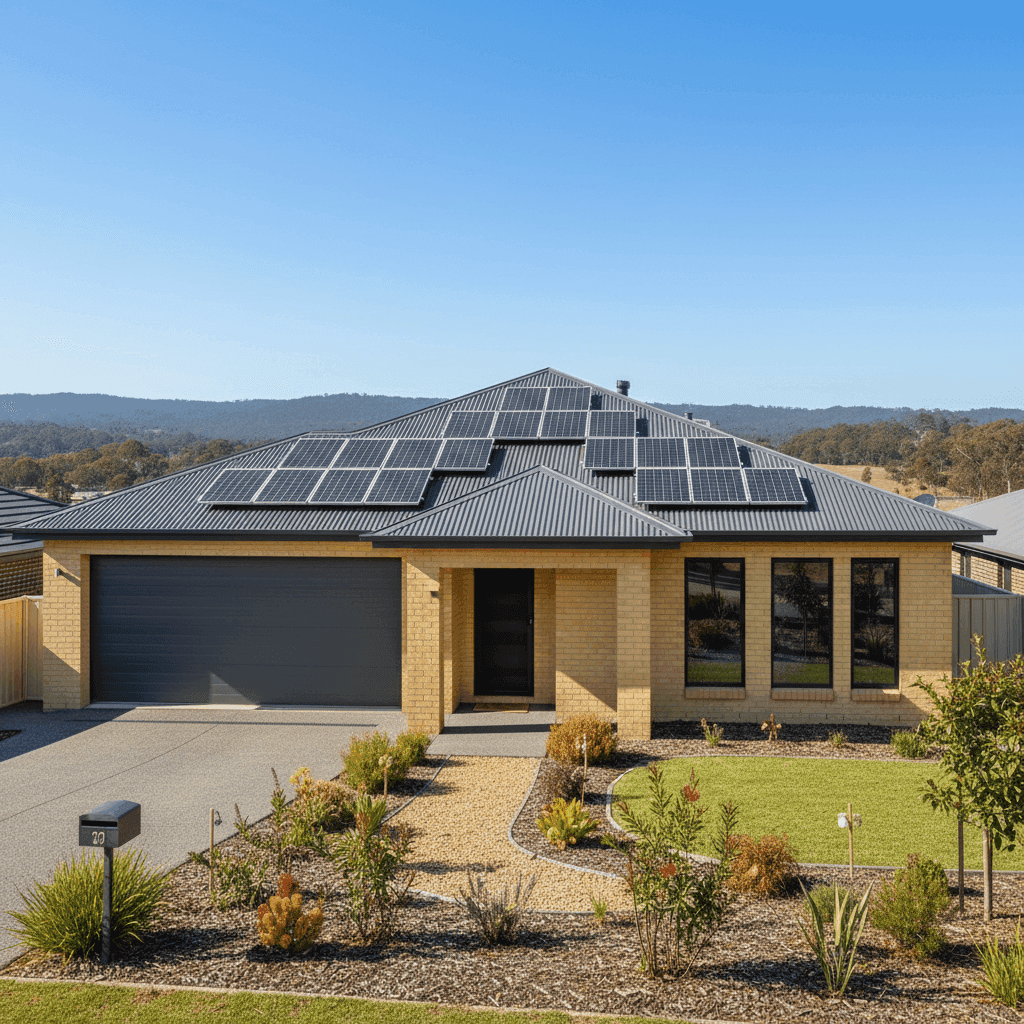
If you own a free standing home in Yellow Rock Ridge, NSW 2527, you've probably wondered whether your home insurance premium is reasonable — or whether you're quietly paying more than you should be. This article breaks down a real home and contents insurance quote for a four-bedroom property in the area, benchmarks it against local, state, and national data, and offers practical tips to help you get better value.
---
Is This Quote Fair?
The quote in question comes to $3,457 per year (or $356 per month) for combined home and contents cover, with a building sum insured of $718,000 and contents valued at $174,000. The building excess is set at $3,000, and the contents excess at $1,000.
Our price rating for this quote is Expensive (Above Average).
To understand why, it helps to look at the local context. The suburb average premium for Yellow Rock Ridge sits at $2,488 per year, with a median of $2,172. This quote comes in roughly 39% above the suburb average and nearly 59% above the median — a meaningful gap that warrants attention.
That said, it's worth noting that the suburb sample size is relatively small (7 quotes), so the local averages should be treated as a guide rather than a definitive benchmark. The 75th percentile for the suburb is $3,190, meaning this quote sits above even the most expensive quarter of local premiums captured in our data.
The building sum insured of $718,000 is on the higher end and will naturally push the premium up compared to properties insured for less. However, even accounting for that, the overall price rating suggests there may be room to shop around.
---
How Yellow Rock Ridge Compares
Putting this quote in a broader context reveals some interesting contrasts:
| Benchmark | Annual Premium |
|---|---|
| This Quote | $3,457 |
| Yellow Rock Ridge Suburb Average | $2,488 |
| Yellow Rock Ridge Suburb Median | $2,172 |
| Kiama LGA Average | $3,332 |
| NSW State Median | $3,770 |
| National Median | $2,764 |
Looking at NSW state-wide data, the state median sits at $3,770 — actually higher than this quote — which reflects the enormous variability in premiums across New South Wales, from flood-prone inland areas to coastal and bushfire-prone zones. The NSW state average of $9,528 is heavily skewed by high-risk or high-value outliers, so the median is a far more useful comparison point.
Against national benchmarks, the national median of $2,764 is below this quote, though the national average of $5,347 is considerably higher. Australia-wide, premiums are climbing steadily due to increased weather events, rising rebuild costs, and reinsurance pressures — so what feels expensive today may look different in a few years.
Compared to the Kiama LGA average of $3,332, this quote is roughly $125 above the local government area benchmark, suggesting the property's specific characteristics or the chosen insurer's pricing model are contributing to a slightly elevated premium.
---
Property Features That Affect Your Premium
Several features of this property have a direct bearing on what insurers charge. Understanding them can help you have more informed conversations when comparing policies.
Brick Veneer Walls & Colorbond Roof Brick veneer construction is generally viewed favourably by insurers — it's durable, relatively fire-resistant, and widely understood by assessors. The steel Colorbond roof is similarly well-regarded: it's lightweight, long-lasting, and performs well in high-wind conditions. Together, these materials typically attract more competitive premiums than, say, weatherboard or fibrous cement cladding.
Slab Foundation & Tiled Flooring A concrete slab foundation is standard for homes of this era and is considered low-risk from an insurer's perspective. Tiled flooring, while not a major pricing factor, is noted as part of the overall property profile.
Solar Panels The presence of solar panels is increasingly common in Australian homes, but it does add a layer of complexity to insurance. Panels are typically covered under building insurance, and their replacement cost can be significant. Some insurers include them automatically; others require them to be specifically listed. It's worth confirming your policy explicitly covers the solar system — both the panels and the inverter.
Ducted Climate Control Ducted air conditioning systems are a meaningful asset and contribute to the overall building sum insured. They can also be a source of claims (particularly from storm or electrical damage), so their presence is factored into risk assessments.
Above Average Fittings Quality The fittings quality for this property is rated above average, which reflects higher-quality fixtures, finishes, and appliances throughout the home. This directly increases the cost to rebuild or replace, justifying a higher sum insured — and, in turn, a higher premium.
Construction Year: 2009 A 2009 build sits in a comfortable middle ground — not new enough to carry a premium for cutting-edge materials, but modern enough to meet contemporary building codes. This generally works in the homeowner's favour from a risk perspective.
---
Tips for Homeowners in Yellow Rock Ridge
1. Review your sum insured regularly With a building sum insured of $718,000, it's important this figure accurately reflects current rebuild costs — not market value. Construction costs have risen sharply in recent years. Use an independent building cost calculator or speak with a quantity surveyor to ensure you're neither underinsured nor paying for cover you don't need.
2. Confirm your solar panels are explicitly covered Don't assume your solar system is included by default. Ask your insurer to confirm in writing that both the panels and inverter are covered under your building policy, and check whether there are any sub-limits that might apply to a full replacement.
3. Consider adjusting your excess to manage your premium The building excess on this quote is $3,000 — already on the higher side. Raising excesses can reduce premiums, but it's a trade-off. Think carefully about what you could realistically afford to pay out of pocket in the event of a claim before making changes.
4. Compare at least three quotes before renewing The gap between the cheapest and most expensive quotes in Yellow Rock Ridge spans from around $1,683 (25th percentile) to over $3,190 (75th percentile). That's a difference of over $1,500 per year for broadly similar cover. Shopping around at renewal time — rather than simply accepting the renewal offer — is one of the most effective ways to reduce your premium.
---
Ready to Compare?
Whether you're reviewing your current policy or exploring cover for the first time, comparing quotes side by side is the smartest way to ensure you're getting fair value. Get a home insurance quote at CoverClub and see how your premium stacks up against the market in seconds.