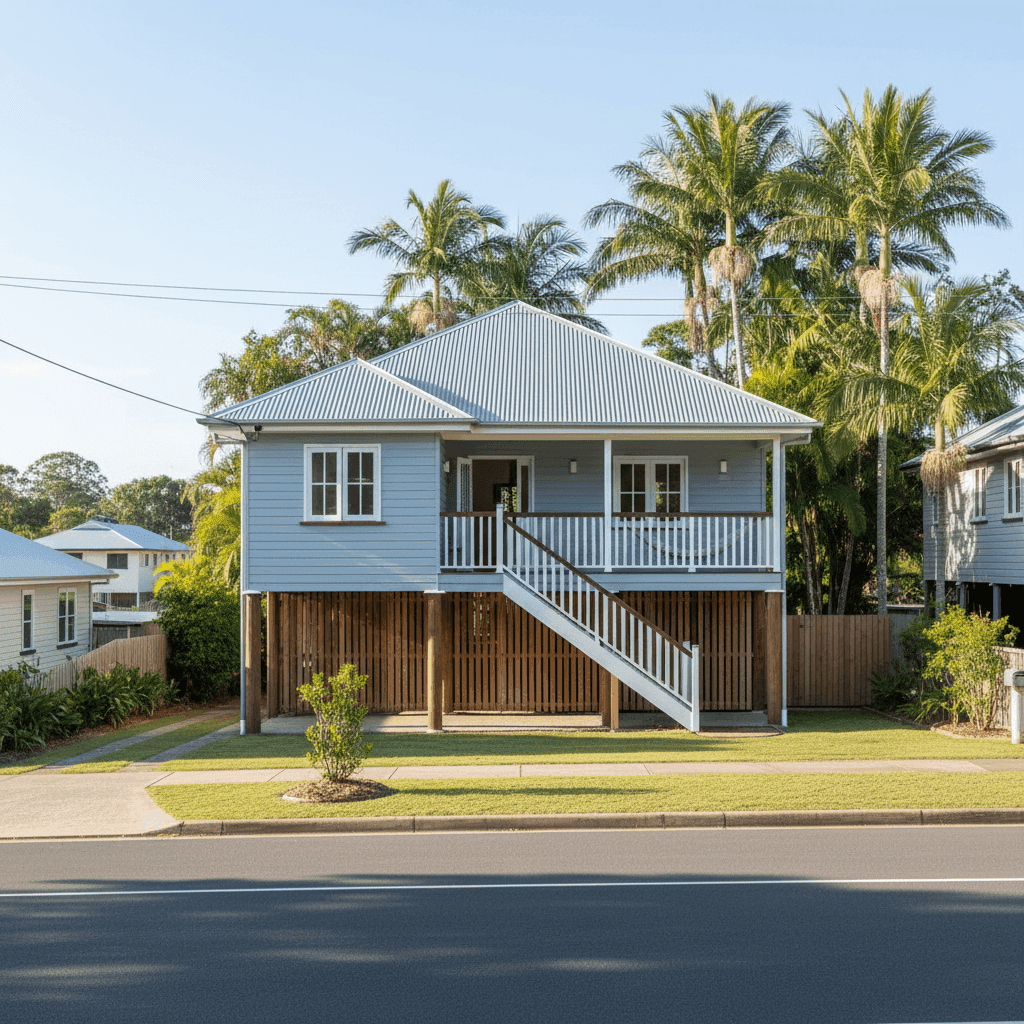
Yeppoon is one of Central Queensland's most sought-after coastal towns — a relaxed beachside community sitting just east of Rockhampton on the Capricorn Coast. It's a popular spot for families, retirees, and sea-changers alike, but its coastal location and tropical climate mean that home insurance is anything but an afterthought. This article breaks down a real building insurance quote for a three-bedroom, free-standing home in Yeppoon (postcode 4703), helping you understand what's driving the price and whether it stacks up against the broader market.
---
Is This Quote Fair?
The quote in question comes in at $3,178 per year (or around $310 per month) for building-only cover on a weatherboard home with a sum insured of $535,000 and a building excess of $2,000. Our price rating for this quote is CHEAP — below the suburb average — which is genuinely good news for this homeowner.
To put that in perspective, the suburb average premium in Yeppoon sits at $4,584 per year, with a median of $4,372. This quote lands well below both figures and even falls beneath the 25th percentile of $3,414 — meaning it's cheaper than at least 75% of comparable quotes we've seen in this postcode. That's a meaningful saving of over $1,400 compared to what many Yeppoon homeowners are paying.
It's worth noting that insurance pricing is highly individualised. Insurers weigh up dozens of variables simultaneously — construction type, age, elevation, cyclone exposure, and more — so two homes on the same street can attract very different premiums. In this case, a combination of factors appears to be working in the homeowner's favour.
---
How Yeppoon Compares
Understanding your premium in isolation only tells part of the story. Here's how Yeppoon's home insurance costs sit relative to broader benchmarks:
| Benchmark | Premium |
|---|---|
| This Quote | $3,178/yr |
| Yeppoon Suburb Average | $4,584/yr |
| Yeppoon Suburb Median | $4,372/yr |
| Yeppoon 25th Percentile | $3,414/yr |
| Livingstone LGA Average | $13,146/yr |
| QLD State Average | $9,129/yr |
| QLD State Median | $3,903/yr |
| National Average | $5,347/yr |
| National Median | $2,764/yr |
A few things stand out here. First, the Livingstone LGA average of $13,146 is extraordinarily high — likely skewed by a small number of very expensive properties or high-risk homes within the broader local government area. The suburb-level data (based on 19 quotes) paints a more grounded picture for Yeppoon proper.
Second, Queensland's state average of $9,129 is dramatically higher than the national average of $5,347, reflecting the outsized impact of cyclone risk, flooding, and severe weather events across the Sunshine State. However, the QLD median of $3,903 is far more modest, suggesting the state average is pulled up by a cohort of very high-risk or high-value properties in places like Far North Queensland.
This quote, at $3,178, sits below both the suburb median and the state median — a strong result for a coastal Queensland property.
---
Property Features That Affect Your Premium
Several characteristics of this property have a direct influence on how insurers price the risk. Here's what's most relevant:
🏠 Weatherboard Timber Construction (1945)
Weatherboard homes are beloved for their character and charm, but they're generally viewed as higher risk by insurers than brick or rendered masonry. Timber is more susceptible to fire, termite damage, and general wear over time. A home built in 1945 adds another layer of complexity — older properties may have outdated wiring, plumbing, or structural elements that increase the likelihood of a claim. That said, a well-maintained weatherboard home can still attract competitive premiums, as appears to be the case here.
🌀 Cyclone Risk Area
Yeppoon sits within a designated cyclone risk zone, and this is one of the most significant premium drivers in coastal Queensland. Insurers apply cyclone sub-limits and higher base rates to properties in these areas. The fact that this quote is still competitive despite the cyclone exposure is noteworthy.
🏗️ Elevated on Stumps (At Least 1 Metre)
Being elevated by at least one metre on stumps is a genuine advantage in flood-prone and storm-surge-prone areas. Many insurers reward elevation with lower flood and storm premiums, as the home is less likely to suffer inundation damage. This is likely one of the key factors keeping this quote below the suburb average.
🌬️ Steel / Colorbond Roof
Colorbond roofing is well-regarded in cyclone-prone regions. It's durable, lightweight, and — when properly installed to cyclone standards — performs well in high-wind events. This is a positive factor from an insurer's perspective compared to older roofing materials like terracotta tiles or fibro sheeting.
❄️ Ducted Climate Control
The presence of ducted air conditioning adds to the insured value of the home. Systems like these are expensive to repair or replace, and insurers factor this into their building sum insured calculations. It's one reason why ensuring your sum insured is accurate and up to date is so important.
---
Tips for Homeowners in Yeppoon
1. Don't underinsure — especially in a cyclone zone With a sum insured of $535,000 for a 139 sqm home, this quote appears reasonably well-calibrated. But building costs in Queensland have risen sharply in recent years. Use a building cost calculator annually to make sure your sum insured keeps pace with construction inflation — being underinsured when a cyclone strikes can be financially devastating.
2. Check your cyclone excess separately Most policies in cyclone-prone areas apply a separate, higher excess for cyclone-related claims — often 1–2% of the sum insured. On a $535,000 home, that could mean an out-of-pocket cost of $5,350–$10,700 per cyclone claim. Make sure you understand this before choosing a policy based on price alone.
3. Maintain your weatherboard home proactively Insurers may decline or reduce claims if a loss is attributable to poor maintenance. For a 1945 weatherboard home, regular painting, termite inspections, and checking for rot or structural movement aren't just good practice — they can protect your ability to make a claim.
4. Compare quotes every renewal The insurance market in Queensland is dynamic, and premiums can shift significantly year to year. The fact that this quote is well below the suburb average shows that shopping around pays off. Don't let your policy auto-renew without checking what else is available — you could be leaving hundreds of dollars on the table.
---
Ready to Compare Home Insurance in Yeppoon?
Whether you're a long-term Yeppoon local or new to the Capricorn Coast, getting the right cover at the right price takes more than accepting the first quote you receive. At CoverClub, we make it easy to compare home insurance options tailored to your property's specific features and location. Get a quote today and see how your premium stacks up against the suburb, state, and national benchmarks — all in one place.