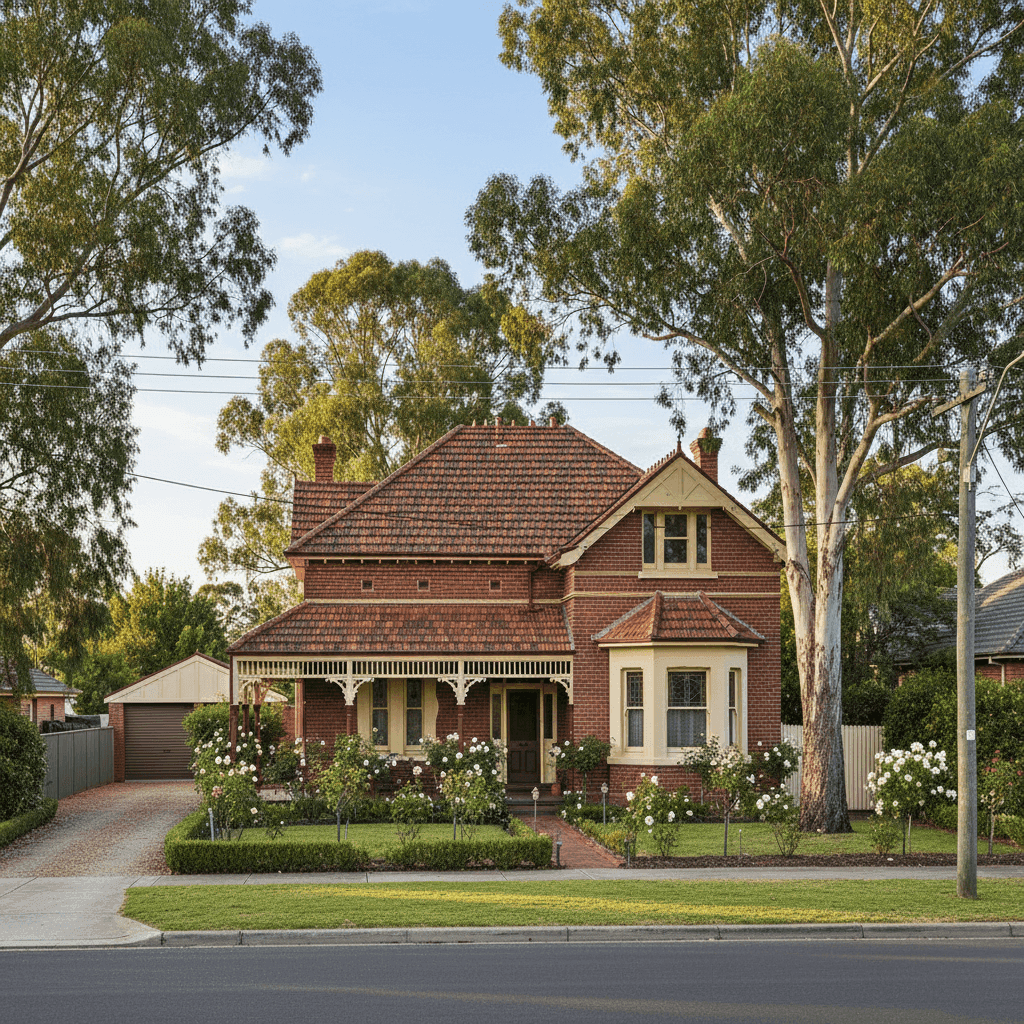
If you own a free standing home in Young, NSW 2594, you're likely no stranger to the charm of regional living — and the unique insurance considerations that come with it. Young, the self-proclaimed Cherry Capital of Australia, sits in the Central West of New South Wales and is home to a mix of heritage and modern properties. This article breaks down a real home and contents insurance quote for a five-bedroom property in the area, compares it against local, state, and national benchmarks, and offers practical tips to help you get better value on your cover.
---
Is This Quote Fair?
The quote in question comes in at $4,080 per year (or $391/month) for a combined home and contents policy, with a building sum insured of $1,000,000 and contents valued at $100,000. Both the building and contents excess are set at $2,000.
Our price rating for this quote is EXPENSIVE — above average for the area.
To put that in perspective, the average premium for comparable properties in Young sits at around $2,364 per year, with a median of $2,246. This quote is nearly 73% above the suburb average — a significant gap that warrants a closer look.
That said, context matters. A building sum insured of $1,000,000 is on the higher end for a regional property, even one of 325 sqm. Insurers price premiums proportionally to the replacement value they're on the hook for, so a higher sum insured will naturally push the premium up. If the building's true replacement cost is closer to $600,000–$700,000, there may be room to recalibrate the sum insured and bring the premium down meaningfully — without leaving yourself underinsured.
The $2,000 excess on both building and contents is relatively standard and won't be the primary driver of the elevated cost here.
---
How Young Compares
Understanding where Young sits in the broader insurance landscape helps frame whether this quote is simply a product of the suburb or something worth shopping around on.
Here's a snapshot of the data from our Young, NSW 2594 suburb stats page:
| Benchmark | Premium |
|---|---|
| This quote | $4,080/yr |
| Young suburb average | $2,364/yr |
| Young suburb median | $2,246/yr |
| Young 25th percentile | $1,760/yr |
| Young 75th percentile | $2,730/yr |
Across New South Wales, the average home insurance premium is $9,528 per year — though this figure is heavily skewed by high-risk coastal and flood-prone areas. The NSW median is a more telling $3,770/yr. Compared to the state median, this Young quote is actually below the NSW midpoint, which provides some reassurance.
At the national level, the average sits at $5,347/yr with a median of $2,764/yr. Against the national median, this quote is above average, reinforcing the "expensive" rating in the context of what most Australians pay.
One figure worth noting: the Weddin LGA (the local government area covering Young) records an average premium of $18,505/yr. This is almost certainly influenced by a small number of high-value rural and farming properties skewing the average — it's not a realistic benchmark for a suburban residential home in Young township. Don't let that number alarm you.
---
Property Features That Affect Your Premium
Several characteristics of this property play a direct role in how insurers price the risk:
Double Brick Construction Double brick is generally viewed favourably by insurers. It's robust, fire-resistant, and less susceptible to wind damage compared to timber or clad construction. This should work in the homeowner's favour when it comes to the building premium.
Tiled Roof Terracotta or concrete tiles are a common roofing material across regional NSW and are considered a moderate-to-low risk by most insurers. They're durable but can be costly to repair or replace if damaged by hail or falling debris.
Stump Foundation The property sits on stumps, which is typical for homes of this era in regional NSW. Stumped foundations can be a minor flag for some insurers due to the potential for subsidence, pest ingress, or movement over time — particularly in older homes. It's worth ensuring your policy covers gradual damage or movement-related issues, as some policies exclude these.
Construction Year: 1920 A home built in 1920 is over a century old. While heritage properties have enormous character, they also carry higher replacement costs due to the specialised materials and labour required to restore period features like ornate cornices, wide timber floorboards, and traditional brickwork. This is a key reason why a $1,000,000 sum insured may actually be justified here — older homes are frequently more expensive to rebuild than their market value suggests.
Timber and Laminate Flooring Timber floors are susceptible to water damage and can be expensive to repair or replace. Insurers factor this into contents and building assessments, particularly for escape-of-liquid claims.
Ducted Climate Control Ducted systems are a significant fixed asset and are typically included in the building sum insured. Their presence adds to replacement cost and is a reasonable contributor to the overall premium.
Size: 325 sqm At 325 sqm, this is a substantial home — well above the Australian average of around 230 sqm. Larger floor areas mean higher rebuild costs, which directly influences the building sum insured and, in turn, the premium.
---
Tips for Homeowners in Young
1. Review your sum insured carefully The building is insured for $1,000,000, which may or may not reflect the true cost to rebuild. Use a professional building replacement cost estimator (many insurers offer these for free) to check whether this figure is accurate. Overinsuring pushes your premium up unnecessarily; underinsuring leaves you exposed.
2. Compare at least three quotes With a suburb average of $2,364/yr and this quote coming in at $4,080, there's clearly a wide spread in the market. Get a quote through CoverClub to see how multiple insurers price your specific property — you may find significant savings without sacrificing cover quality.
3. Ask about heritage property specialists Given the 1920 construction date, it's worth exploring insurers who specialise in or have experience with heritage homes. They may offer more tailored cover for period features and more accurate replacement cost assessments.
4. Consider your excess strategically The current excess is $2,000 on both building and contents. If you're in a financial position to absorb a higher out-of-pocket cost in the event of a claim, increasing your excess to $2,500 or $3,000 can reduce your annual premium — sometimes by 10–15%. Just make sure the savings outweigh the risk over time.
---
Ready to Compare?
Whether you're reviewing your current policy or shopping for cover for the first time, comparing quotes is the single most effective way to ensure you're not overpaying. Head to CoverClub to get a personalised home and contents quote for your Young property and see how your current premium stacks up. With suburb-level data and transparent comparisons, we make it easy to find cover that fits both your home and your budget.