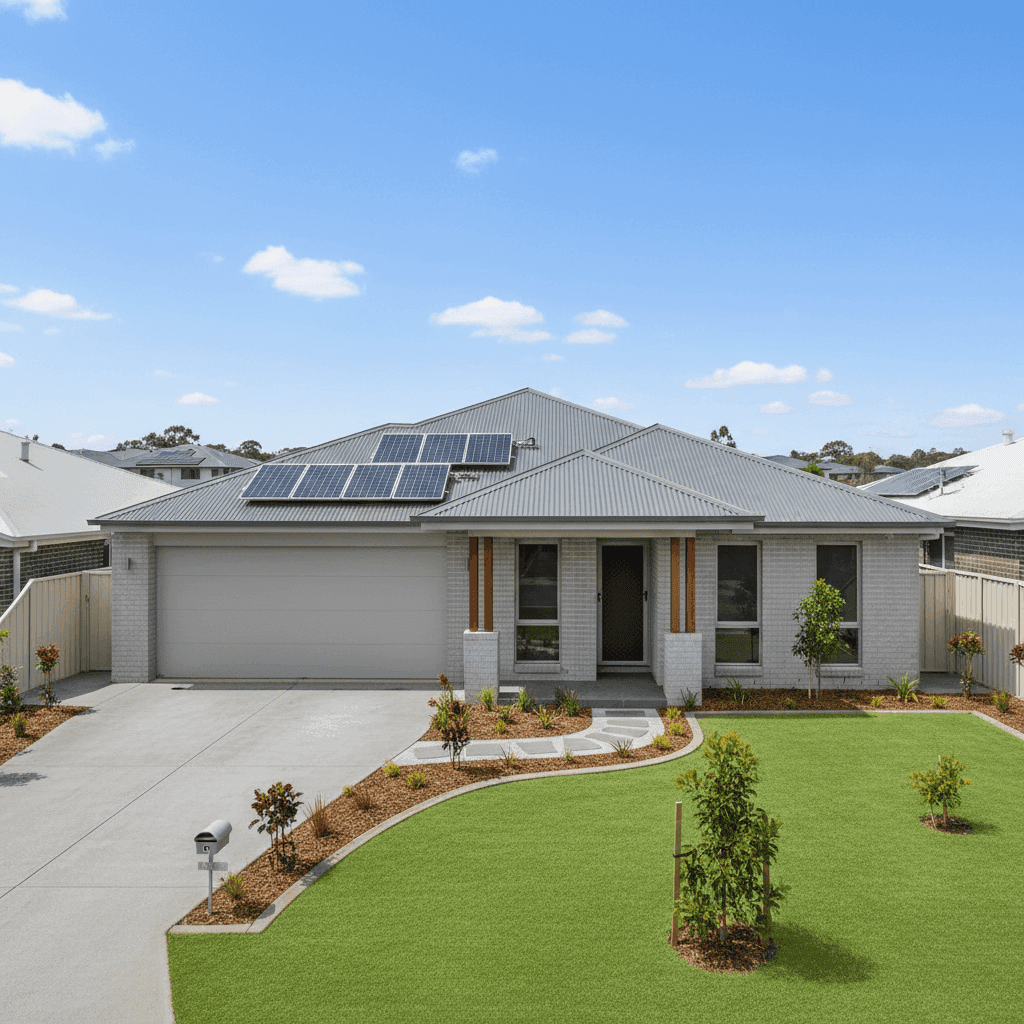
Zilzie is a quiet coastal suburb in the Livingstone Shire, sitting just north of Yeppoon on Queensland's Capricorn Coast. It's a popular spot for families and sea-changers drawn to its relaxed lifestyle and proximity to the Great Barrier Reef region. But living in paradise comes with its own set of insurance considerations — particularly when cyclone risk enters the picture. This article breaks down a real home and contents insurance quote for a four-bedroom free standing home in Zilzie, examines how it stacks up against local, state, and national benchmarks, and offers practical tips for getting the best value on your cover.
---
Is This Quote Fair?
The annual premium on this quote comes in at $2,806 per year (or $262/month), covering both building and contents for a home insured at $722,000 with $50,000 in contents cover. Both the building and contents excess are set at $1,000.
Based on comparison data from quotes across Zilzie and surrounding areas, this premium is rated CHEAP — below the suburb average. That's genuinely good news for the homeowner.
To put it in concrete terms:
- The suburb average for Zilzie sits at $3,820/year, meaning this quote is roughly $1,014 cheaper than the typical premium paid by neighbours.
- The suburb median is $3,566/year — still significantly higher than this quote.
- Even the 25th percentile (the cheapest quarter of quotes in the suburb) sits at $2,942/year, which means this premium is below even the cheapest band of local quotes.
In other words, this is a standout result for Zilzie. If you're paying more than $3,000/year for a comparable property in this postcode, it may well be worth shopping around.
---
How Zilzie Compares
Zooming out to the broader picture reveals just how variable home insurance pricing can be across Queensland and Australia.
| Benchmark | Annual Premium |
|---|---|
| This Quote | $2,806 |
| Zilzie Suburb Average | $3,820 |
| Zilzie Suburb Median | $3,566 |
| Livingstone LGA Average | $13,146 |
| QLD State Average | $9,129 |
| QLD State Median | $3,903 |
| National Average | $5,347 |
| National Median | $2,764 |
A few things stand out here. The Livingstone LGA average of $13,146/year is extraordinarily high — a stark reminder that some parts of this local government area carry extreme insurance risk, likely driven by severe cyclone exposure and flood-prone properties closer to the coast or low-lying areas. Zilzie itself, while still in a cyclone risk zone, appears to attract more moderate premiums than the LGA average might suggest.
The Queensland state average of $9,129/year is heavily skewed by high-risk postcodes in Far North Queensland and flood-affected regions. The state median of $3,903 is a more representative figure, and this quote still comes in below it.
Nationally, the average home insurance premium sits at $5,347/year, with a median of $2,764. This quote lands just above the national median — a reasonable outcome for a property in a declared cyclone risk area.
---
Property Features That Affect Your Premium
Several characteristics of this property play a meaningful role in how insurers price the risk.
Brick Veneer Walls & Colorbond Roof Brick veneer is generally viewed favourably by insurers — it's durable, fire-resistant, and widely used in Australian residential construction. Paired with a steel Colorbond roof (built in 2012), the home presents as a relatively modern, well-constructed dwelling. Colorbond roofing is particularly valued in cyclone-prone regions for its wind resistance compared to older tile roofs.
Slab Foundation & Tiled Flooring A concrete slab foundation reduces the risk of underfloor damage from moisture, pests, and flooding — all relevant concerns in coastal Queensland. Tiled flooring similarly signals lower contents exposure to water damage compared to timber or carpet-heavy interiors.
Cyclone Risk Area This is the single biggest risk factor for this property. Zilzie falls within a designated cyclone risk zone, which typically adds a significant loading to premiums across all insurers. The fact that this quote still comes in below the suburb average despite this loading is a positive sign.
Solar Panels Solar panels are increasingly common on Queensland homes, but they do add a layer of complexity to building insurance. Panels need to be covered for storm, hail, and cyclone damage, and their replacement cost should be factored into the building sum insured. At $722,000, the sum insured here appears to account for the full rebuild cost of a 214 sqm home with solar and ducted climate control — both of which add to replacement value.
Ducted Climate Control Ducted air conditioning systems are a meaningful addition to a home's rebuild cost. Insurers consider these fixed installations as part of the building sum insured, so it's important the coverage amount reflects their replacement value — which this quote appears to do.
Standard Fittings With standard-quality fittings (rather than premium or high-end finishes), the rebuild cost is kept more predictable and moderate, which helps keep premiums in check compared to homes with luxury fixtures.
---
Tips for Homeowners in Zilzie
1. Review your building sum insured regularly Construction costs in regional Queensland have risen sharply in recent years. A home built in 2012 at 214 sqm with solar panels and ducted air conditioning needs a sum insured that reflects today's rebuild costs — not what it cost to build over a decade ago. Use a building cost calculator and revisit this figure each renewal.
2. Understand your cyclone excess Many insurers apply a separate, higher excess specifically for cyclone-related claims in QLD. This is often a percentage of the sum insured (e.g., 1–2%) rather than a flat dollar amount, meaning it could be $7,000–$14,000 on a $722,000 building. Always read the Product Disclosure Statement carefully to understand what you'll pay out of pocket after a cyclone event.
3. Don't underinsure your contents $50,000 in contents cover is on the modest side for a four-bedroom, two-bathroom home. Take stock of furniture, appliances, electronics, clothing, and outdoor items. Many households find their contents are worth considerably more once they do a proper audit — and underinsurance can leave you significantly out of pocket after a claim.
4. Compare quotes at every renewal This quote is priced well below the suburb average, but that doesn't mean it will stay that way. Insurers reprice risk annually, and your current provider may increase premiums significantly at renewal. Use a comparison platform like CoverClub to benchmark your renewal quote against the market each year — it takes minutes and could save you hundreds.
---
Find a Better Deal on Home Insurance
Whether you're a Zilzie local or considering a move to the Capricorn Coast, understanding what a fair premium looks like is the first step to avoiding overpaying. This quote demonstrates that competitive pricing is achievable in a cyclone risk area — but results vary significantly between insurers.
Compare home and contents insurance quotes at CoverClub to see how your current premium stacks up. With suburb-level benchmarking and real quote data, you'll know in seconds whether you're getting a fair deal — or paying too much.